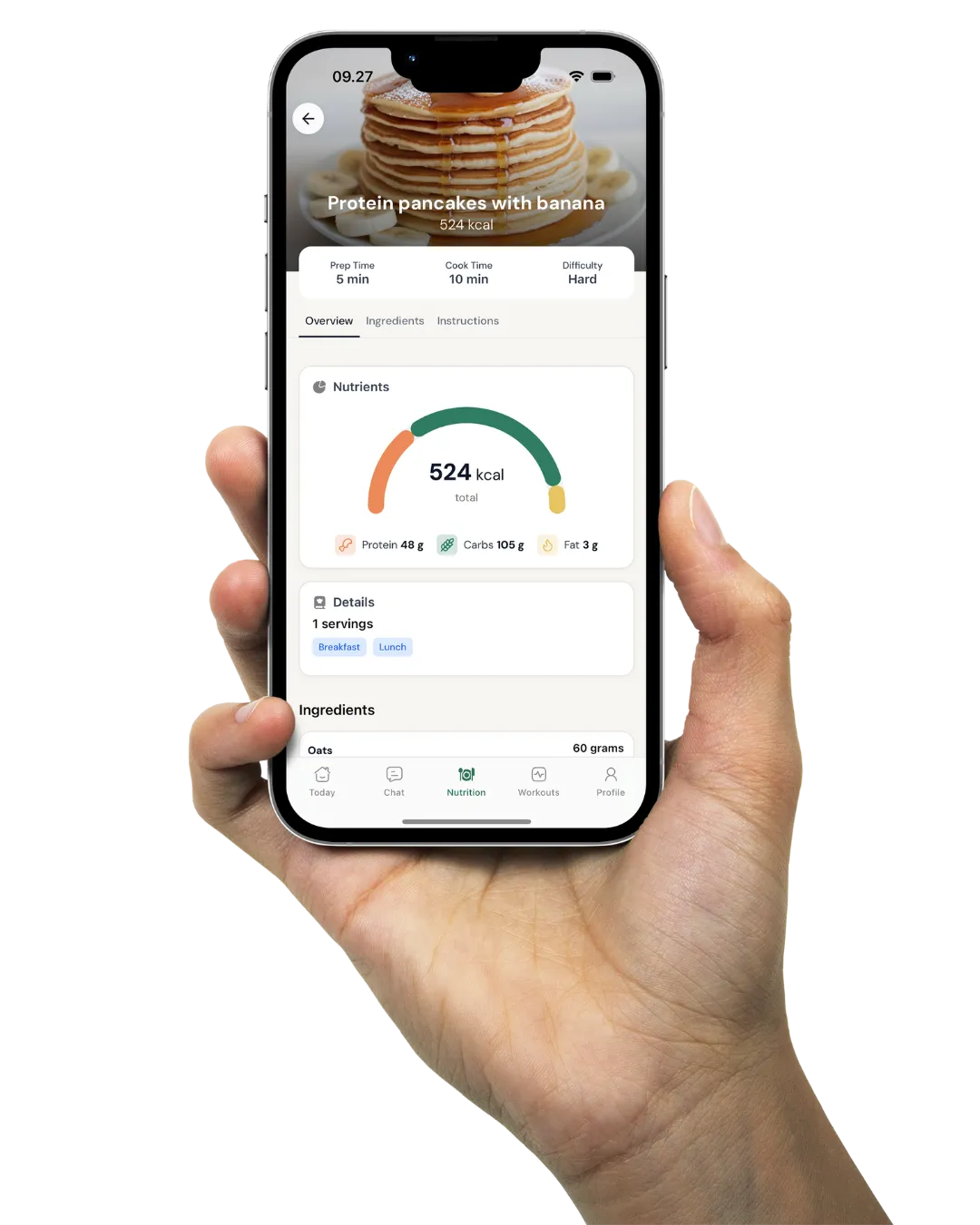
FitBudd documents three exports: a client list CSV sent by email, workout PDFs from the dashboard and a client's grocery list from the Coach app. We found no help article documenting an export for check-ins, workout logs or messages. Plan billing and any branded app listing as separate checks before cancelling.
Published by Coachway. The product instructions below come from the linked official documentation, checked September 25, 2026. They describe available exports, not a completed test of your account or a guarantee that another platform can import the files.
What you can export from FitBudd
Client list: CSV sent by email
FitBudd says you can export the clients list and receive it as a CSV file at your registered email address. It notes that this can take some time, depending on the number of clients.
The article does not list the columns or say which client groups are included. FitBudd sorts clients into Leads, Plans to Assign, Active Clients and Inactive Clients, so compare the file with each list you need before relying on it.
- Request the client list export and save the emailed CSV.
- Compare the row count with your Leads, Active Clients and Inactive Clients lists.
- Check several rows against the client profiles in the dashboard.
Official instructions: Client list CSV export · Client categories
Workouts: save a PDF from the dashboard
In the dashboard, go to Workouts under the Fitness section, open more actions on a workout and choose Download as PDF. In the popup, set the destination to Save as PDF. FitBudd notes that this option is not yet available for the Cardio section.
The documented workflow works one workout at a time. A PDF is a reference for rebuilding, not an editable file another app can load. The Download button clients see in the app is different: FitBudd says those workouts stay inside the app for offline use and are not stored on the client's device.
Official instructions: Download workouts as PDF · Client offline downloads
Nutrition: a client's grocery list from the Coach app
In the Coach app, open an active client from Messages, switch to the client view with the calendar icon, open the nutrition tracker and then the grocery list. FitBudd says the export option generates a downloadable file.
This is a shopping list for one client, not the meal plan itself. The article does not name the file format, and we found no help article documenting a meal plan export, so plan to rebuild those or ask support.
Official instructions: Export a client's grocery list
FitBudd supports several payment routes; map each one before moving
FitBudd says it offers Stripe or PayPal for collecting payments. Its Stripe instructions connect an existing Stripe account from Settings > Payment Service. FitBudd also documents a Mercado Pago connection set up through its support team, and says coaches can offer in-app purchases. For iOS, it points coaches to Sales & Trends in App Store Connect to see purchases made in the app.
Client subscriptions keep charging until they are cancelled: FitBudd says a client on a monthly subscription is charged every month until they cancel. Clients can cancel under Manage Subscription on your FitBudd website or in the app's profile section. Access to the connected Stripe account does not establish that another platform can take over those subscriptions.
Record each client's payment route, amount and next charge date, including any App Store purchases. Stripe documents a separate subscription migration toolkit; do not assume the destination coaching app exposes it or can reuse existing objects. Agree the last FitBudd charge and the first new charge before cancelling anything.
Sources: Billing clients through FitBudd · Link Stripe to FitBudd · Mercado Pago connection · iOS app payments · Recurring client charges · Client subscription management · Stripe subscription migration
Your branded app listing sits in your developer accounts
FitBudd sells a fully branded white-labelled app on its Super Pro plan and above. It says it launches these apps from your own Apple and Google developer accounts, after you add FitBudd as a developer. Clients can also find the app by searching its name in the App Store or Google Play.
FitBudd documents how to take the app down. On iOS, remove any in-app purchases first, then choose Remove from sale in App Store Connect, which makes the app unavailable within 24 hours. On Google Play, set the app to Unpublished in the Play Console. Removing from sale keeps the option to publish a new version later; deleting the iOS app for good means losing ownership of the app name.
FitBudd does not document whether the app keeps working for existing clients after your FitBudd subscription ends. Ask support before cancelling, and do not remove the listing while clients still train in it.
Source: FitBudd pricing · Launching branded apps · Developer accounts for branded apps · How clients find your app · Remove the app from the stores
Check-ins, logs and progress are documented as views, not exports
FitBudd documents where to review check-ins (the Check-Ins tab), progress (the Progression tab, including measurements such as weight, waist and body fat) and workout logs (feedback, duration, date and the weights and reps used). These articles describe reading the data in the dashboard, not downloading it.
We found no FitBudd help article that documents an export for check-ins, progress photos, workout logs, notes or messages. Ask support which formats are available for each record type, test a sample, and tell clients which history will not move.
Source: Reviewing check-ins · Measuring client progress · Viewing workout logs
Deactivating a client is also a billing step
FitBudd says manual deactivation can be done to end a client's subscription. Time it against each client's last FitBudd charge and first new charge, rather than treating it as tidy-up after the move. FitBudd bills you for a removed client by the number of days they were active that month.
When a fixed-duration plan ends, FitBudd says the client loses access to workouts and meal plans but keeps access to check-ins and progress analysis. Inactive profiles stay available to you unless you delete the client permanently, so save what you need before deleting anyone.
Source: Client categories · Access after a plan ends · Billing for removed clients
Before you cancel FitBudd
- Save the client list CSV and compare it with your Leads, Active Clients and Inactive Clients lists.
- Save PDFs of the workouts you need, and list cardio workouts separately because the PDF option does not cover them.
- Get a written answer from FitBudd support on check-ins, progress photos, workout logs and messages, and test a sample.
- List each client's payment route and next charge date, and agree the last FitBudd charge and first new charge.
- Confirm what happens to your branded app and client access before cancelling FitBudd or removing the listing.
Choose the switch date after a sample migration passes. The required overlap depends on rebuild work, provider support, client availability and billing dates. Clear communication helps, but it cannot guarantee retention or repair missing data.
Use the full migration checklist and client message to plan each wave. If you are still evaluating the destination, use the software trial scorecard. Keep any sample shared for an initial assessment limited to what the provider needs.
Questions about leaving FitBudd
Can I export my client list from FitBudd?
Yes. FitBudd says you can export the clients list and receive it as a CSV at your registered email address. The article does not list the columns, so check the file against your client lists before relying on it.
What happens to my branded FitBudd app when I leave?
FitBudd says branded apps are launched from your own Apple and Google developer accounts and documents how to remove them from sale or unpublish them. It does not document whether the app keeps working after you cancel, so ask support first.
How do I cancel my FitBudd subscription?
FitBudd's terms say trainers request cancellation in the Billing Section and that it takes effect at the end of the current billing month; a cancellation fee may apply if your service contract provides for one. Its help center also says you can terminate by contacting [email protected].
Considering Coachway? Bring a sample export and ask us which parts become editable plans, which need rebuilding, what remains an archive and how your existing billing would be handled. Agree the scope before inviting your clients. If you are still deciding whether to switch at all, the Coachway vs FitBudd comparison sets the two side by side.
The trial starts with a card held by Stripe and cancels under Billing before it renews, so you can run a few real clients in both tools before you move the rest.