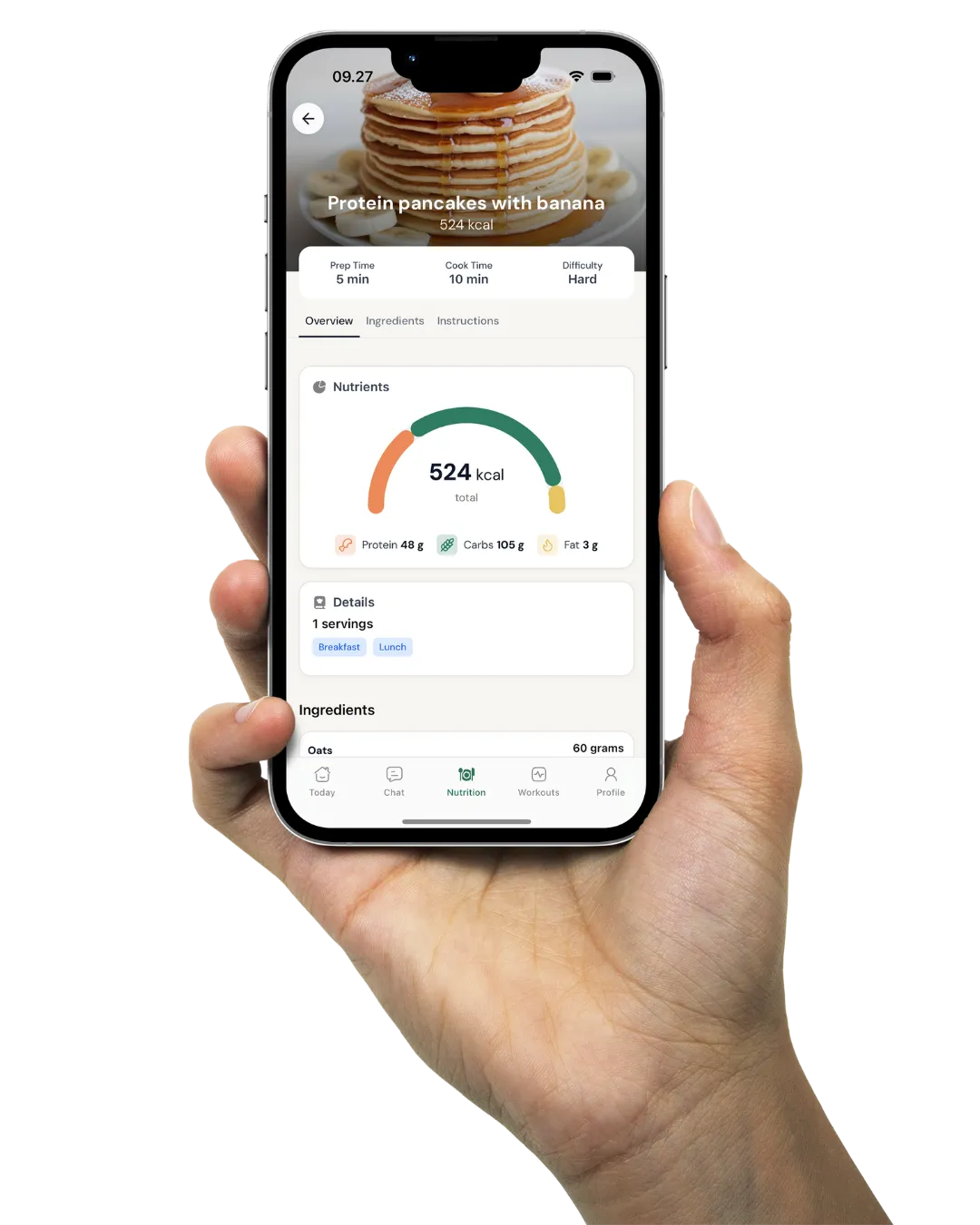
The online coaching sales funnel - turn followers into paying clients, with or without a call.
A funnel is not a trick or a piece of software. It is the client-getting system written down as stages, so you can see the whole path from a scroll to a paid client and find the one place it leaks. This page is the map of that path: attract, capture, nurture, offer, payment, and delivery. Each stage gives you the core move and routes you to the deeper guide, and the heart of it is a single fork - whether you close with a call or without one. Get the stages talking to each other and each new client makes the next one easier to sign.
By Markus Evers · Updated September 2026
the short version
An online coaching sales funnel is the path from attention to a paid client, in six stages: attract, capture, nurture, offer, payment, deliver. Attract with content and referrals, capture as an email or DM you own, nurture with a short honest sequence, present the offer on a page or a call, take payment through your own checkout, and onboard fast.
The six stages of a coaching sales funnel.
Every "how do I get more clients" question maps to one of six stages. The trainers who stall usually run one stage well and ignore the rest - great reach and no capture, or a full inbox and no follow-up. The map below is the whole path in order. Read it top to bottom, then find the one stage that is your bottleneck and open its deeper guide.
   STAGE 1   ATTRACT
   Reels, posts, referrals - earn attention
                 |
                 v
   STAGE 2   CAPTURE
   A lead magnet, then an email or DM you own
                 |
                 v
   STAGE 3   NURTURE
   A short, honest email or DM sequence
                 |
                 v
   STAGE 4   OFFER  (the fork)
   Sales page  ......OR......  optional call
                 |                  |
                 +--------+---------+
                          |
                          v
   STAGE 5   PAYMENT
   Your own Stripe checkout link
                          |
                          v
   STAGE 6   DELIVER
Auto-onboard into the client app | The stage | What it does | Go deeper |
|---|---|---|
| 1. Attract | Earn attention from the right stranger with content, a lead magnet or a referral. | lead magnet ideas |
| 2. Capture | Turn that attention into an email or a DM you own, so it does not evaporate. | build an email list |
| 3. Nurture | Build trust and answer objections with a short, honest sequence before you sell. | email marketing |
| 4. Offer | Present the coaching clearly - on a sales page, a call, or both. This is the fork. | build your offer |
| 5. Payment | Take the money through your own checkout link, with as little friction as possible. | take payments |
| 6. Deliver | Onboard fast so the first week lands - the moment that decides retention and referrals. | onboard clients |
Here is the part most guides miss: these stages compound. A coach who reaches thousands but captures nobody, or captures leads but never follows up, is not one tactic away from fixed - they have a broken link in the chain. Repair the weakest stage and every stage above it suddenly starts paying off. New to the vocabulary? The coaching glossary explains lead magnets, nurture and recurring billing in plain language, and the wider view of turning attention into clients lives in how to get online coaching clients.
Attract: earn attention from the right person.
The top of the funnel is reach, and the mistake is chasing volume for its own sake. A thousand of the wrong followers is worth less than fifty of the right ones. So attract with a purpose: post for one exact person, show your method with proof rather than opinion, and make sure every piece points somewhere. Reels, short posts and referrals do the heavy lifting here, and a lead magnet - a checklist, a mini plan, a quiz - gives the right person a concrete reason to raise their hand. The running list of what to post sits in Instagram content ideas for fitness coaches.
A lead magnet only works if it solves a real, specific problem in one sitting and then names the next step. Vague freebies attract vague leads. If you want the mechanics of what to offer and why a quiz often out-pulls a PDF, start with fitness lead magnet ideas and the definition of the thing itself in what is a lead magnet. Attention is the raw material of the whole funnel, but on its own it is just a number - the next stage is what makes it yours.
Capture: own the attention before it evaporates.
Capture is the stage coaches skip most, and it is where the biggest leak in the whole funnel usually lives. A reel gets ten thousand views, everyone scrolls on, and nothing is left the next morning because there was no way to raise a hand. Capture fixes that: you trade the lead magnet for an email, or you invite a comment or DM that opens a real conversation. Either way you now own a channel to that person that does not depend on an algorithm showing your next post. The email side is covered in how to build an email list.
The DM route is just as valid and often faster to start, especially the comment-to-DM pattern where a keyword in the comments triggers the message that delivers the freebie and starts the chat. Set it up so replies are quick and human, not a wall of automation. The tooling and the guardrails are in Instagram DM automation for coaches. Whichever channel you use, the rule is the same: a lead you capture but never follow up with converts close to zero, so capture and follow-up have to be built together, never as an afterthought.
Nurture: build trust before you ask for the sale.
Very few people buy the first time they hear from you, and pitching a cold lead is what makes selling feel gross. Nurture is the bridge. A short, honest sequence of emails or DMs - a handful of messages over one to two weeks - does the quiet work of turning a curious opt-in into someone ready to consider your coaching. The arc is simple: deliver on what the lead magnet promised, show your method with real proof, address the biggest objection out loud, then make a clear soft offer with an obvious next step. The point is not to write thirty emails; it is that the sequence actually arrives somewhere instead of a list that goes cold after the welcome.
Write it once and it works while you sleep, which is the whole reason nurture beats chasing every lead by hand. The channel playbook is in email marketing for fitness coaches, and the first message that sets the tone - the one that greets a brand-new opt-in - is worked through in the welcome email template. Nurture is also where you can be most honest about who your coaching is and is not for, which quietly does your qualifying before anyone reaches the offer.
Offer: with a call, or without one.
This is where the funnel forks, and where most of the money is won or lost. The offer is the coaching itself, made concrete: who it is for, what changes, what is included, and what it costs. How you present it splits into two roads. Neither is more legitimate than the other - the right one depends on your price, your offer and your time. Build the offer first; the guide to that is how to create an online coaching offer, and the pricing decision behind it lives in how to price online coaching packages.
When a call earns its place
A call is worth the hour when the offer is high-ticket or complex, when the person genuinely needs to talk their situation through before committing, or when you are still learning which objections your market has. Put a short application in front of it so you only ever speak to serious, qualified people, and run the call as a fit conversation rather than a pitch: confirm the goal, show how the coaching reaches it, ask for the decision.
The structure question by question is in how to run a discovery call, and keeping calls from eating your week is covered in the free consultation without wasting time.
When a page closes without one
Calls do not scale - each one costs you an hour whether the person buys or not. A well-understood offer at a clear price can close on a good sales page plus honest nurture, no call required, and that route compounds instead of capping at the hours in your day. The move is to take the answers you give on calls and put them on the page: the promise, the proof, the objections handled, the price, and one obvious button.
The page itself is built in how to write a coaching sales page, and doing it without the ick is covered in selling without being salesy.
The honest pattern for most coaches is to use both in sequence. Early on, take the calls - they teach you the exact words your market uses and the objections that actually stop the sale. Then move those answers onto a page so it does the repetitive selling for you, and keep the call for the deals that genuinely need a human. Whichever road you are on, price will come up, and how you handle it decides more sales than the number itself; the honest way through is in handling price objections. Selling online coaching is not about pressure - it is about being clear enough that the right person can say yes.
Where funnels leak, and the one metric to check.
A funnel that is not producing clients is almost never broken everywhere. It is leaking at one stage, and pouring more traffic in just wastes more water. So diagnose before you build: walk the stages from the top, check one number at each, and stop at the first that is far below the rest. That is your bottleneck. Fix it, then re-check. If Instagram is the top of your funnel, the healthy band for each stage (trigger fire, delivery, qualification, show rate, close) is in the Instagram funnel benchmarks, so you can see which stage is leaking before you touch anything.
| Stage | How it leaks | The metric to check |
|---|---|---|
| Attract | Reach with no way to raise a hand - views that leave nothing behind. | New leads per week against your reach. Flat list, high views means no capture. |
| Capture | Attention that never becomes an email or a DM you can reach again. | Opt-in rate - the share of the right visitors who actually raise a hand. |
| Follow-up | Captured leads that sit unanswered until they go cold - the quiet killer. | Time to first reply, and the share of leads that ever get a real conversation. |
| Nurture | A list or thread that never gets warmed, so the offer lands cold. | Reply or open rate across the sequence, and clicks to the offer. |
| Offer | People read or hear it and do not buy - usually a mismatch, not a price problem. | Sales page or call close rate. Low here, high above, means fix the offer. |
| Payment | A yes that stalls at a clunky checkout or a manual invoice you forget to send. | Checkout completion - how many who click pay actually finish paying. |
Nine times out of ten the leak is upstream of where coaches look. They rewrite the sales page while the real problem is that reach never asks for an email, or that leads wait days for a reply. Start at the top, trust the numbers over your instinct about the price, and remember the last leak most people ignore entirely: a client who signs and then hears nothing for a week often drifts before the coaching even starts. Delivery is part of the funnel, and it is where retention - the quiet engine that refills the top - begins. That thread is picked up in retaining online coaching clients.
The close: a payment link, then straight into the client app.
No tool fills the top of your funnel - your reach and your relationships do that. But the bottom two stages, payment and delivery, are exactly where a platform earns its place, because a yes that stalls at a clunky checkout or lands a new client in silence is a leak you never see. This is the part Coachway is built to carry, and it is why the call step can be optional: the funnel can close on a link and onboard itself.
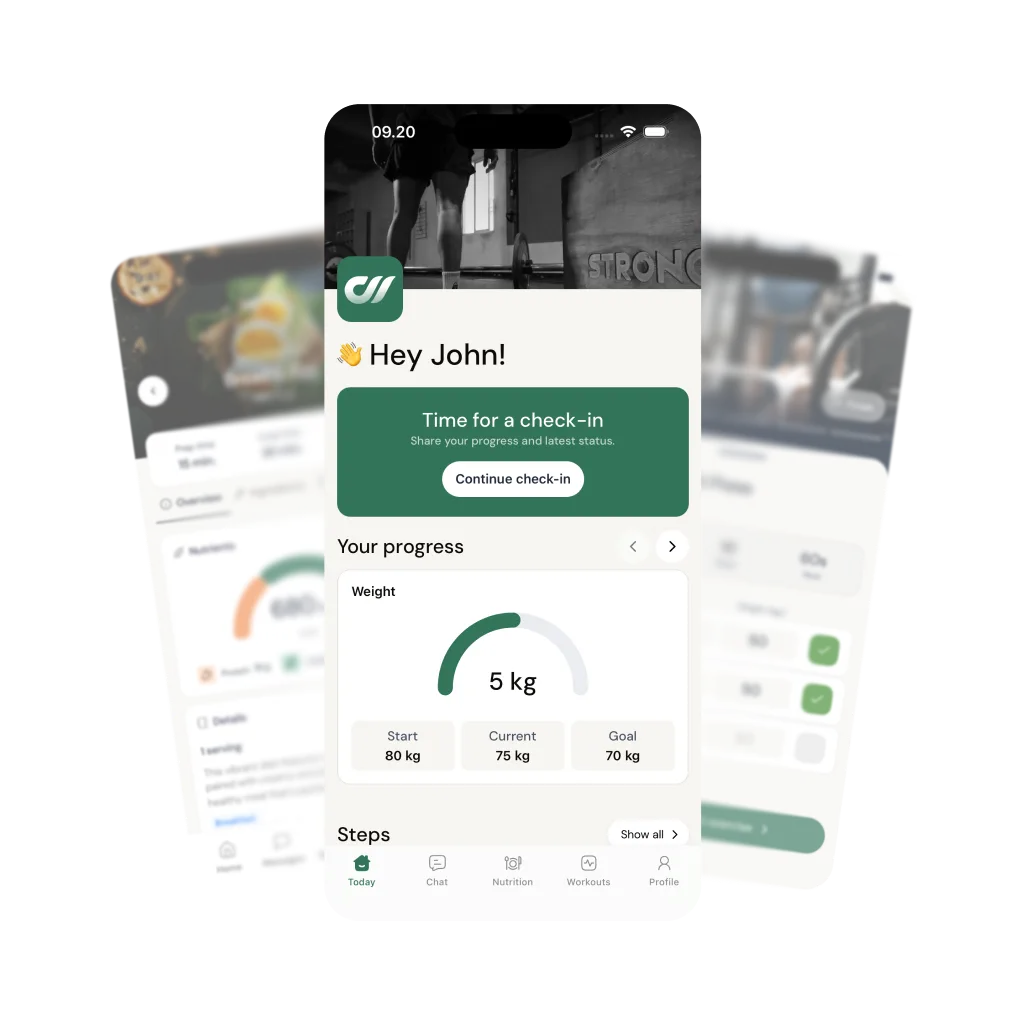
Close on your own payment link
Because coaches keep their own Stripe, the sale can close on a checkout link you send straight from the offer or the DM - no back-and-forth invoicing. The money lands in your own Stripe account, and the platform that keeps payments on your own Stripe takes a flat per-client fee, not a cut of every payment.
Auto-onboard into the client app
The moment a client pays, they can be pulled into the client app with the first plan already waiting, so the first week lands instead of stalling - the single highest-leverage move for retention and referrals.
The first week runs itself
A short onboarding flow of scheduled messages and videos handles the welcome for you through automations, so every new client gets the same strong start without you doing it by hand each time.
Pricing that does not punish growth
EUR 69 a month up to 5 clients, then EUR 9 per additional active client, every feature included, with a 14-day trial (card required). Predictable per-client pricing, and you keep your own Stripe. See the full pricing.
Coaches like Sandra Rosenkrantz and Rene Macapili built their own funnels first, then leaned on a tight close and onboarding to keep it running as the client count climbed. That is the right order: reach and nurture make the sale, and a clean payment and first week are what turn one sale into a client who stays and sends you the next one.
Frequently asked questions about the online coaching sales funnel.
What is an online coaching sales funnel?
It is the path a stranger takes from first seeing you to becoming a paying client, broken into stages so you can find and fix the one that is leaking. The stages are attract, capture, nurture, offer, payment and deliver. A funnel is not a trick - it is just the client-getting system written down as steps so nothing warm slips through the cracks. The full stage-by-stage map is above, and the wider view of turning attention into clients is in how to get online coaching clients.
Do you need a sales call to sell online coaching?
No, not always. A call earns its place when the offer is high-ticket or complex, or when you are still learning your market's objections. But calls do not scale, because every one costs an hour whether the person buys or not. A clear sales page plus honest nurture can close a well-understood offer without a call, and that route compounds. The healthy pattern is to start with calls to learn the objections, then move the answers onto a page so it does the repetitive selling.
Where do most coaching funnels lose people?
Almost always at capture and follow-up, not at the offer. Coaches obsess over the price and the pitch while the real leak is upstream: reach that never asks for an email or a DM, and captured leads that get no timely follow-up, which convert close to zero. Check one metric per stage. If reach is high but your list barely grows, the leak is capture. If you capture leads but few ever reply, the leak is follow-up. Only if people read the offer and still do not buy is the offer itself the problem.
How long should a coaching nurture sequence be?
Long enough to build trust and answer the real objections, short enough to reach an offer while the person still remembers why they opted in. A practical arc is a handful of messages over one to two weeks: a warm welcome that delivers on the lead magnet, one or two that show your method with proof, one that handles the biggest objection, then a clear soft offer. The point is not volume but that the sequence actually arrives somewhere. The channel playbook is in email marketing for fitness coaches.
Can you run a coaching sales funnel without paid ads?
Yes. Most coaches build the whole funnel on organic reach and warm relationships long before spending on ads. Reels, posts and referrals fill attract, a lead magnet or a simple opt-in handles capture, email or DM carries nurture, and a page or call closes it. Ads are an accelerator you add on top of a funnel that already converts, never the thing that fixes a leaking one - paying to send traffic into a funnel with no capture or no follow-up just loses money faster. Prove the path organically first, then decide whether to buy more traffic into it.
Keep reading
all guidesHow to Become a Freelance Personal Trainer (2026)
How to become a freelance personal trainer: certification, self-employment setup, insurance, niche, rates, finding clients, software, and earnings.
Read the guideHow to Make Money as a Fitness Influencer (2026)
How to make money as a fitness influencer: brand deals, affiliates, products, memberships, and the most durable income of all - selling online coaching to your audience.
Read the guideFitness Hashtags for Coaches: 250+ by Category (2026)
250+ fitness, gym, and workout hashtags for coaches, grouped by category as copy-friendly blocks, plus how to use them: mix sizes, go niche, and rotate sets.
Read the guideFree tools for this: Discovery Call Calculator · No-Show Cost Calculator · Referral Value Calculator
See what Coachway can do for your coaching business
Coachway was built on knowledge from working with 150 online coaches over 6+ years, who all hit the same wall - slow platforms, clunky workflows, wasted hours. Start your 14-day free trial and see what we fixed - the whole platform, no charge today, cancel anytime under Billing.