Skip to content
career · getting started

How to become a fitness coach.

Becoming a fitness coach comes down to four decisions: whether to get certified (short answer: yes), which path to take - a gym payroll, freelancing on a gym floor, your own studio, or online - how to land your first paying clients, and which economics you can actually live on. This guide walks the honest version of all four, without pretending one path fits everyone.

By Markus Evers · Updated July 2026

the short answer

To become a fitness coach: get a recognised certification (NASM, ACE, ISSA, NSCA or a local equivalent), get insured, pick your path - gym-employed, freelance on a gym floor, your own studio, or online - then land your first clients through people who already know you and build proof from their results. Certification is rarely required by law, but insurers and gyms expect it.

the job itself

What does a fitness coach actually do?

A fitness coach designs training programs, guides nutrition and daily habits within their scope, and keeps clients accountable to a goal over months - not just through single workouts. Day to day that means assessments, programming, check-ins, form feedback, and adjustments, plus the business behind it: finding clients, scheduling, messaging, and tracking progress.

The part nobody puts in the job description is the split. The visible work - coaching a session, writing a program - is maybe half the job. The other half is everything around it: the check-in you answer at 9pm, the client who went quiet and needs a nudge, the intake forms, the payment chasing, the progress photos to review. Coaches who last learn to love the first half and systemise the second.

The title also blurs with "personal trainer," and the difference is worth understanding before you pick a lane: a trainer owns the session, a coach owns the outcome across training, nutrition, and habits. If you want that distinction spelled out properly, our breakdown of fitness coach vs personal trainer covers scope, methods, and pricing side by side.

pick your lane

The four realistic paths into fitness coaching.

There is no single "right" way in - there are four, and they suit different people at different stages. Most careers move through two or three of them: start employed, go freelance once the calendar fills, then add or switch to online when the hourly ceiling starts to bite. Here is the honest trade-off for each.

Employed at a gym

Best if you are brand new and want to learn the craft with a safety net.

what works

  • A steady wage and built-in leads walking past you on the floor every day.
  • The gym handles facilities, marketing, and often insurance.
  • Low financial risk while you find out if you even like the job.

what costs you

  • The lowest earning ceiling of the four paths.
  • The clients belong to the gym, not you - leave and you start over.
  • Little control over rates, hours, and methods.

Freelance on a gym floor

Best once you can fill your own calendar and want to own the client relationship.

what works

  • You set your rates and keep what you earn after gym rent or a floor split.
  • You own the client relationships and any brand you build.
  • Still get the gym floor as a natural source of new clients.

what costs you

  • You carry tax, insurance, marketing, and admin yourself.
  • Income is inconsistent early until your client base stabilises.
  • Still capped by the hours you can physically coach.

Your own studio

Best for established coaches with a full book and a waitlist in one location.

what works

  • Full control over the space, the experience, and the positioning.
  • Premium pricing is easiest to justify in your own four walls.
  • No gym taking a cut of anything.

what costs you

  • The highest cost and risk: lease, equipment, insurance, fit-out.
  • Income is still capped by hours and by one postcode.
  • The slowest and most expensive path to start on.

Online

Best if you want income that is not capped by the hours in your day.

what works

  • No geography limit - your client pool is anyone who fits your niche.
  • Income decouples from hours: a monthly fee per client, not a fee per session.
  • The lowest overhead of the four - software is the main recurring cost.

what costs you

  • Accountability has to be designed on purpose; online it does not come free.
  • You market yourself constantly - nobody walks past you on a gym floor.
  • Harder to sell before you have proof, because trust is built remotely.

Two of these paths have full guides of their own. If the freelance route is calling, how to become a freelance personal trainer covers self-employment setup, insurance, and rates step by step. And if you are already training people in person and weighing the move to remote coaching, how to become an online fitness coach walks the transition in depth - niche, pricing, delivery rhythm, and systems - so we will only summarise the online path here rather than repeat it.

the credential question

Do you need a certification to become a fitness coach?

Here is the honest answer most certification companies will not give you: in most places, coaching fitness is not a legally regulated activity, so there is usually no law forcing you to hold a certificate before you take a paying client. Rules differ by country and sometimes by what you do (nutrition advice in particular is regulated in some places), so verify what applies where you live rather than taking anyone's word for it - including ours.

Practically, though, you need one, for three reasons that have nothing to do with the law:

  • Insurance. Professional liability insurers usually require a recognised qualification before they will cover you, and coaching without insurance is a risk you should not take once money changes hands.
  • Gym floors. Almost no commercial gym will employ you or rent you floor space without a certification they recognise. If your path runs through a gym - and for most new coaches it does - the credential is the entry ticket.
  • Credibility. Clients increasingly check. A recognised qualification will not win you clients on its own, but the absence of one loses you the careful ones - usually the best clients to have.

There is a fourth reason that matters more than the paper: the study itself teaches you to program safely for real bodies, not just for yourself. Plenty of strong lifters make dangerous coaches for a year or two because "what worked for me" is not a programming system. The certification is the floor, not the ceiling - the coaches clients rave about keep learning long after the exam.

choosing one

Picking a certification without drowning in reviews.

New coaches lose months comparing certifications when the differences rarely change the outcome. The big internationally recognised bodies - NASM, ACE, ISSA, NSCA, and their local equivalents in your country - all clear the bar that matters: insurers accept them, gyms accept them, and clients recognise them. Past that bar, pick on practicalities: whether your local gyms and insurer recognise it, whether the study format fits your life, and what it costs.

Three sanity checks before you pay: confirm the certification is properly accredited rather than a certificate-mill PDF, confirm the gyms you might work at actually recognise it (a five-minute phone call), and confirm your insurer will cover you with it. If all three say yes, the "best" one is mostly a question of study style and budget.

We keep a full comparison of the major options - what each covers, study format, and who each suits - in our guide to the best personal trainer certifications for online coaching, so we will not re-review them here. And if your interest leans toward the nutrition and habits side rather than the gym floor, how to become a nutrition coach covers that adjacent lane.

first clients

Getting your first clients.

Your first clients will almost certainly not come from a marketing funnel, an ad, or a viral post. They come from proximity and trust: training partners who already ask you for advice, colleagues, family friends, the people at your gym who see you train. On a gym floor this happens semi-automatically - members watch you work and conversations start. Independent or online, you have to start those conversations on purpose.

The playbook that works is unglamorous: tell the people who already know you exactly who you help and what the offer is, one to one rather than in a broadcast post. Take a small number of founding clients at a clear price in exchange for commitment and permission to share their results. Then over-deliver, because those first two or three results become the proof that wins every client after them. A narrow focus helps enormously here - choosing a coaching niche is what makes "I know exactly who to send to you" possible for the people referring you.

Past the warm network, client acquisition becomes a real discipline of its own, and we have two full guides for it: lead generation for personal trainers for the channel-by-channel view, and how to get online coaching clients if your path is remote. The short version of both: consistency in one or two channels beats dabbling in six.

the money

Gym vs online: the career economics.

The formats do not just feel different - they run on different math. Every in-person flavour of the job sells hours, and hours have a hard ceiling. Online sells a monthly relationship per client, and that changes what your income can do. The figures below are illustrative market benchmarks, not promises; they vary by country and market.

Path How you are paid The ceiling
Gym-employed A wage or a per-session rate set by the gym. The gym's pay structure. Stable, but the lowest top end of the four.
Freelance / studio 1:1 Roughly $40-$120 per session, minus gym rent or studio costs. The hours in your day. When the calendar is full, income stops growing.
Online Roughly $100-$300+ per client per month, priced on the outcome. Client count and retention, not hours - which is why the top of this range sits far higher.

To make the difference concrete: an online coach with 20 clients at EUR 150 a month grosses about EUR 3,000 - the rough line where many coaches go full-time - and overhead stays small because there is no rent, no commute, and software is the main recurring cost. A fully booked in-person coach can out-earn that per hour, but only until the calendar fills; after that, the online model keeps growing and the in-person one does not.

None of this makes online automatically better - plenty of coaches love the floor and build a great living there, and a hybrid of a few premium in-person clients plus an online client base captures both. For the full numbers, see how much to charge for personal training and how much online fitness coaches make, or run your own figures through the coach income calculator.

where Coachway fits

A tool for one of the four paths - and only when you need it.

Honest scoping first: if you coach on a gym floor, you do not need Coachway - a full calendar and a good program log will serve you fine. Coachway is built for the online path, and even there, only from the point where the admin of running clients remotely starts eating the time the model was supposed to give back - typically somewhere past your first handful of clients.

Programs, built once

A workout builder with 1,800+ exercises and videos, so you write a program once and adapt it per client instead of rebuilding it twenty times.

A client app with your name on it

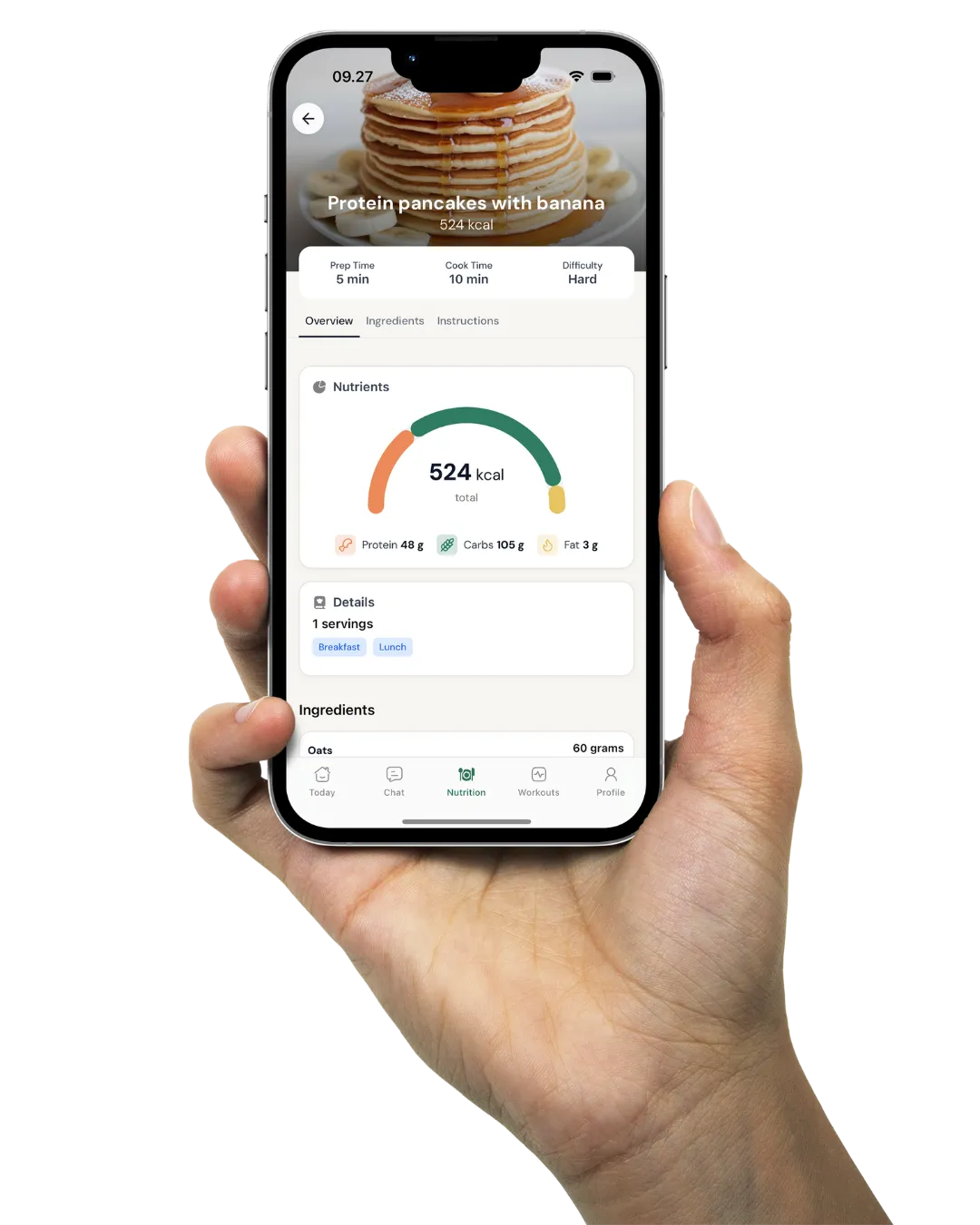
Clients follow plans, log workouts, and message you in a client app carrying your branding, so the remote experience feels like your coaching, not a generic template.

Payments that are yours

Collect client payments through your own Stripe account on predictable per-client pricing, so the money flows to you as the client list grows.

questions new coaches ask

Frequently asked questions.

What does a fitness coach do?

A fitness coach designs training programs, guides nutrition and daily habits within their scope, and keeps clients accountable to a goal over months rather than single sessions. Day to day that means assessments, programming, check-ins, form feedback, and adjustments - plus the business side: finding clients, scheduling, messaging, and tracking progress so people actually follow through.

Can I be a fitness coach without certification?

Legally, in most places, yes - "fitness coach" is not a regulated title in many countries, though rules vary, so verify what applies where you live. Practically it is a bad idea: insurers usually require a recognised qualification, most gyms will not let you coach on their floor without one, and clients increasingly check. Get certified - it is the cheapest credibility you will ever buy.

How long does it take to become a fitness coach?

There is no fixed timeline, but a common path is a few months to around half a year of part-time study for a recognised certification, then first paying clients in the months after that - usually people you already know. Most new coaches earn something within their first year; building a full client base takes longer and depends on price, niche, and how consistently you market.

Fitness coach vs personal trainer - what is the difference?

A personal trainer focuses on the workout itself - cueing technique, spotting, and running live sessions priced by the hour. A fitness coach takes a wider view, guiding training, nutrition, habits, and accountability over months through programs and regular check-ins, often delivered online. The trainer owns the session; the coach owns the outcome. Many professionals are both, and move between the two labels as their business changes.

How much do fitness coaches make?

There is no single number, because coaches are paid per session or per client rather than a salary. As illustrative benchmarks, in-person 1:1 sessions commonly run roughly $40-$120 each, and online coaching is usually priced monthly at roughly $100-$300+ per client - so an online coach with 20 clients at EUR 150 a month grosses about EUR 3,000. Price, client count, and retention move your income far more than hours worked.

Figures in this article are illustrative market benchmarks for general guidance, not guarantees or financial advice, and legal or insurance requirements vary by country - verify certification, registration, and insurance rules where you live before taking paying clients.

If the online path is the one pulling at you, the next read is the full guide to becoming an online fitness coach - niche, pricing, first clients, and the delivery systems that make remote coaching feel personal.

See what Coachway can do for your coaching business

Coachway was built after working with 150+ coaches who all had the same frustrations - slow platforms, clunky workflows, wasted hours. Start your 14-day free trial and see what we fixed - the whole platform, no charge today, cancel in 2 clicks.

Start 14-day free trial No charge today - cancel in 2 clicks
Built for efficiency 6 languages DenmarkNorwaySwedenFinlandGermanyUnited Kingdom
The coaching platform you've been waiting for