Coaching and personal training contract template.
A plain-language coaching or personal training agreement you can fill in and send today, for online and in-person clients. Add your business, your client, what the package includes, the price and the notice periods, then print it or save it as a PDF for signing. Free, no sign-up, and written to be read by a client rather than a lawyer.
Coaching clients online? Try Coachway free for 14 days
build your agreement
the two sides
what they are buying
Be specific about frequency and response time. Most disputes start here.
the terms in one line
Fill in the package and the price to see the summary your client will read.
after the print
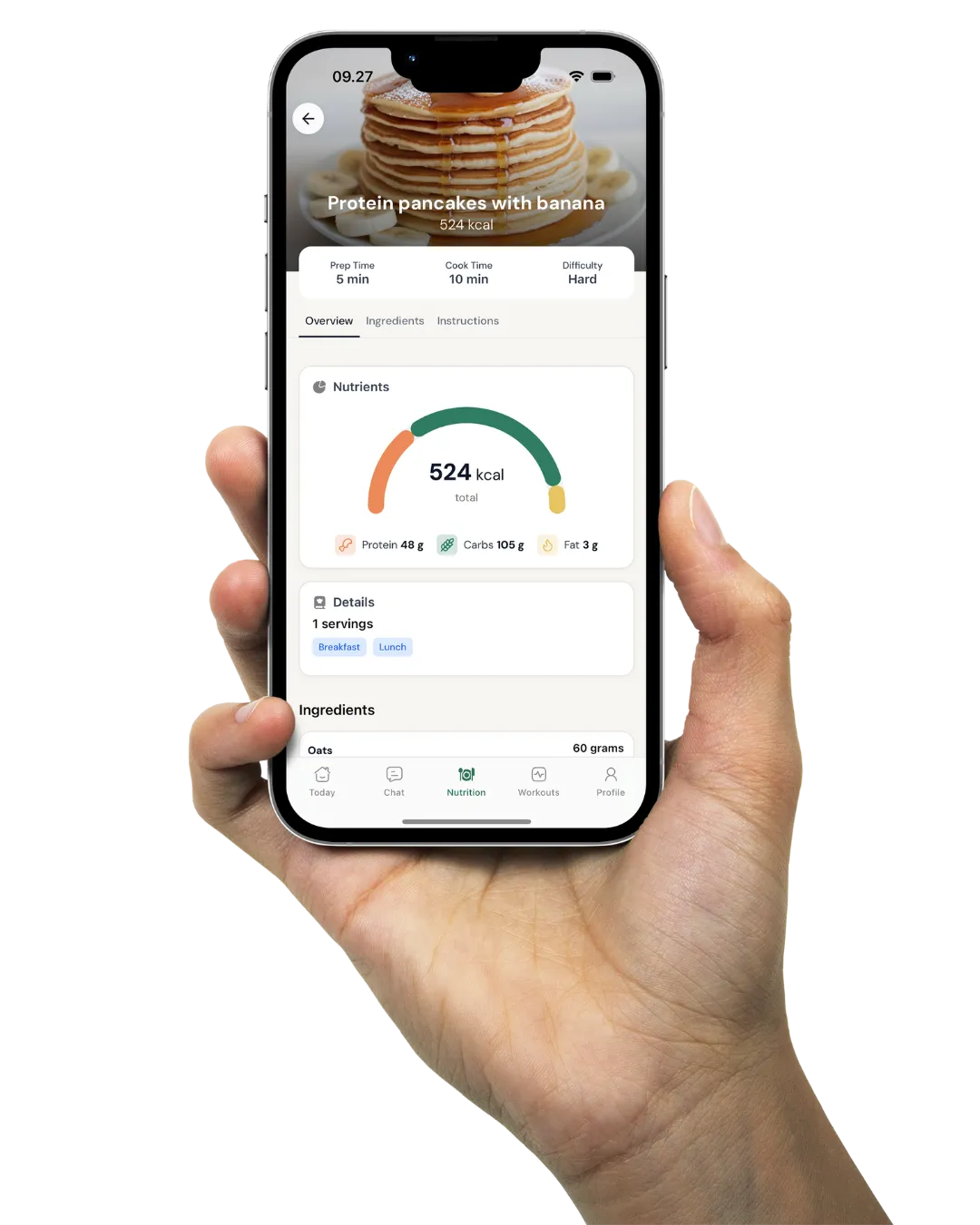
If a document like this goes out to every client, the rebuilding is the part worth retiring: in Coachway, forms, programs and meal plans live in the client app - sent, filled in and stored per client, no printer involved.
see inside Coachwayafter the agreement
What happens once the client has signed?
Next comes the intake: goals, training history, injuries and availability, asked again for every new client. In Coachway the intake and onboarding questions go out as forms the client fills in inside the client app, the answers are stored on that client, and an onboarding flow sends them when a new client starts, with check-in reminders taking over after that. The agreement itself stays your reviewed version; Coachway handles the forms and check-ins that follow it.
the short answer
A coaching contract is a short written agreement between a coach and a client that records what is included, how long it runs, what it costs, when payment is due, how either side cancels and what happens when a session is missed. It also states plainly that coaching is not medical care. For most independent coaches a clear two-page agreement in plain language does the job; you do not need a twenty-page document. Build one above, then have a qualified adviser in your country read it once before you reuse it.
The six clauses that prevent almost every dispute.
Coaching disagreements are rarely about coaching. They are about a client who thought daily messaging was included, or who cancelled on day 29 of a 30-day notice period, or who missed three sessions and expected them back. Each of those has a one-sentence fix, written down before it happens. The six below are the ones that do the work; if you want the reasoning behind each clause rather than the finished wording, we go through them line by line in the clauses coaches actually need, and the health screening that belongs beside a signed contract is the PAR-Q form. A seventh line many coaches now add beside the data clause is the AI disclosure sentence from the AI use policy template.
1. scope
Say what is included and, just as importantly, what is not. Name the frequency and your response time: a plan updated every four weeks and a reply inside two working days are checkable; ongoing support is not.
2. term
Rolling monthly or a fixed block. Both are fine, but they cancel differently, and a client who thinks they bought a rolling month while you think they bought twelve weeks is the single most common problem.
3. price and payment
The amount, the currency, when it is due, and what happens if a payment fails. One line about a failed payment pausing delivery saves an awkward conversation later.
4. cancellation
How much notice, in writing, and what happens to the period already paid for. Be aware that consumers buying online often have statutory rights you cannot override.
5. missed sessions
Give a notice window for rescheduling and say what happens inside it. Without this you will end up making a fresh judgement call every time, which clients notice and compare.
6. health and scope of practice
State that coaching is not medical, physiotherapy or psychological treatment, that the client confirms they are fit to train, and that they will tell you if that changes. Pair it with a signed readiness form.
What are the contract essentials for a personal trainer?
Eight clauses, one line each: scope, term and termination, price and payment schedule, cancellations and missed sessions, refunds and chargebacks, communication expectations, data and AI use, and jurisdiction. The first six are the generator's clauses above; the last two are the additions trainers on r/personaltraining asked for when a coach posted a contract checklist: "Spell out whether the contract is ongoing, month-to-month, or for a set package ... include how either side can terminate", "Set boundaries around how/when clients can" reach you, and "State what country this is in as different jurisdictions have different rules". The table gives the line to include and the dispute it prevents. The contract should mirror the package it sells; the four structures and the notice-period logic behind each are in personal training packages.
| Clause | What it settles | The line | The dispute it prevents |
|---|---|---|---|
| Scope | What coaching includes and what it does not | "Coaching covers the programme, weekly check-ins and messaging; it does not include medical advice." | "I thought calls were included" |
| Term and termination | Ongoing, month to month, or a set package; how either side ends it | "Month to month; either party may end with 14 days' notice in writing." | The client who ghosts halfway through a package |
| Price and payment schedule | The amount, the date, the method | "EUR [X] on the 1st by card through the client app." | Chasing invoices |
| Cancellations and missed sessions | The notice window and what a missed session costs | "Sessions cancelled with less than 24 hours' notice are charged." | The no-show argument; one trainer in the thread lost money "not having a 24 hour cancellation policy" |
| Refunds and chargebacks | When money comes back and when it does not | "Refunds follow the guarantee terms; disputes are raised with the coach before the card issuer." | The chargeback filed instead of a conversation |
| Communication expectations | Where messages go and when you reply | "Messages in the app; replies within one working day." | The 11 pm text and the resentment after it |
| Data and AI use | What you store, where, and the AI disclosure line | "Your data lives in [PLATFORM]; the AI use policy is attached." | "You put my data into ChatGPT?" |
| Jurisdiction | Which country's law applies | "This agreement is governed by the laws of [COUNTRY]." | Two readings of the same clause |
General information, not legal advice: have a lawyer in your country read the finished agreement once. The AI disclosure line comes from the AI use policy template.
From filled-in template to a signed agreement.
Send it before the first payment
The agreement is what the payment is for. Sending it afterwards turns a routine document into an awkward one, and it is the point at which a hesitant client asks the questions you would rather answer now than in week six.
One reviewed version, reused
Get it read once by someone qualified in your country, then change only the client name, dates, price and term for each new person. A template you rewrite every time is a template nobody has checked.
Store it where you can find it
A signed PDF in the client's folder, not a shared inbox. It holds their name, contact details and payment terms, so it is personal data in most of Europe and needs the same care as any other client record.
If you are still deciding what to charge before you write any of this down, work the number out first with the coaching rate calculator, and see what a full onboarding sequence looks like in the client onboarding checklist.
Frequently asked questions.
Do I really need a contract for online coaching?
You need something in writing, yes. Most coaching disputes are not dramatic legal fights: they are disagreements about what was included, how much notice a cancellation needed, or whether a missed session gets refunded. A short written agreement settles those in advance and costs you nothing. It also signals that you run a real business, which tends to attract better clients. Whether it must be a formal contract, and what it has to contain, depends on where you and your client live, so treat this as a starting point and get it checked locally before you rely on it.
Is this coaching agreement legally binding?
A written agreement that both people sign, that describes the service and the price, is generally the kind of document courts take seriously. But binding is not the same as enforceable in your jurisdiction, and consumer-protection rules can override what a contract says, particularly around cancellation and refunds for consumers buying online. This is a plain-language starter template, not legal advice. Have a qualified adviser in your country read it once before you send it to clients, then reuse your reviewed version.
What should a coaching contract always cover?
Six things do most of the work: what the client is buying and what they are not, how long it runs, what it costs and when payment is due, how either side cancels and with how much notice, what happens when a session is missed or rescheduled, and an honest statement that coaching is not medical care. Everything else is refinement. If you only write down those six, you have already removed the reasons most coaching relationships end badly.
How do I handle refunds and cancellations fairly?
Decide the rule before you need it and write it down in one sentence a client can understand. Common approaches are a notice period for rolling monthly coaching, no refund on a completed block but the ability to stop the next one, and a short cooling-off window at the start. Be aware that consumers buying online in many countries have statutory cancellation rights that you cannot write away, and that your payment provider has its own dispute rules. A clear, fair policy you actually honour prevents far more chargebacks than a strict one you enforce inconsistently.
Can I use one agreement for every client?
For the same service, yes, and you should: one reviewed template you reuse is far safer than a fresh document written in a hurry for each client. Keep the standing clauses fixed and change only the details that genuinely differ, which is usually the client name, the start date, the length, the price and the payment schedule. If you sell something structurally different, for example group coaching alongside one-to-one, write a second version rather than bending the first one to fit.
Where should the signed agreement be stored?
Somewhere private, access-controlled and findable two years from now. A signed PDF in a client folder in your coaching platform or a locked drive is fine; a shared inbox, a public drive link or a phone camera roll is not. The agreement usually carries the client name, contact details and payment terms, which makes it personal data in most of Europe and elsewhere, so keep it only as long as you have a reason to and tell clients where it lives if they ask.
What should a personal trainer contract include?
Eight things: scope, term and how either side ends it, price and payment date, the cancellation window and what a missed session costs, refunds and how disputes are raised, where and when you communicate, what client data you store and your AI use, and which country's law applies. The essentials table on this page gives one line for each; the generator above fills the scope, term, price and cancellation lines from your answers.
Can a personal trainer terminate a client contract?
Yes, if the agreement says how: a month-to-month term with a notice period lets either side end it in writing, and a package agreement should say what happens to unused sessions. Trainers who have had to let a client go describe the same protection: everything in writing from day one, so the ending is a clause being used rather than an argument. Put the notice period and the refund rule in the same paragraph.
This page and the agreement it produces are a starter template and general information, not legal advice. Contract and consumer law differ by country, and nothing here creates a lawyer-client relationship. Have a qualified adviser in your jurisdiction review the document before you rely on it.
See what Coachway can do for your coaching business
Coachway was built on knowledge from working with 150 online coaches over 6+ years, who all hit the same wall - slow platforms, clunky workflows, wasted hours. Start your 14-day free trial and see what we fixed - the whole platform, no charge today, cancel anytime under Billing.