Skip to content
scaling · capacity

How coaches actually handle 100+ clients.

The coaches running 100-plus clients are not working harder than you - they are working from a model. A time-blocked week, templated programming, batched check-ins, and one platform instead of four. This is what that week actually looks like hour by hour, where the hours really go, and the systems that make volume survivable instead of chaotic.

By Markus Evers · Updated September 2026

the short answer

Coaches who run 100+ clients win with a model, not more hours. They batch async check-ins into fixed blocks, template programming from a library, contain messaging to two short daily windows, and run everything in one platform instead of four. The week is time-blocked and protected, including a full day off, so volume never becomes chaos. The client count is rarely the hard part - an unstructured workflow is.

the real answer

It is a model, not more hours.

When a coach with 15 clients imagines 100, they picture their current week times seven - an impossible, sleepless grind. That version is impossible, which is exactly why almost nobody who runs 100 clients does it that way. They rebuilt the operating model first. The check-in that takes them 4 minutes took them 15 at their old volume. The program they progress in a few clicks used to be an hour in a document. The week that runs four focused days used to sprawl across all seven.

So the honest question is not "how do I find more hours" - it is "what has to change about how the week runs." Our guide on how many clients an online coach can handle sets the ceiling for your model, and scaling an online coaching business puts hiring in context. This article is the week itself.

the operating model

A real 100-client week, hour by hour.

This is a realistic shape, not a rule - the point is the structure, not the exact hours. Work is batched into blocks so similar tasks happen together, messaging is contained to protect focus, and the week is built to hold a full day off. Shift the blocks to fit your life; keep the batching.

Day Morning block Afternoon block
Monday Check-in batch: review the weekend submissions in one sitting, in a fixed order, fast. Programming block: build and progress the next week from templates, not from scratch.
Tuesday Check-in batch continues, plus the first 20-minute messaging window. Onboarding: welcome and set up new clients started over the weekend.
Wednesday Mid-week check-ins and form-video reviews. Second 20-minute messaging window, then deep-work programming for the harder cases.
Thursday Planning and numbers: retention, at-risk clients, the week ahead. Content creation and lead follow-up - the top of the funnel that keeps the roster full.
Friday Admin and loose ends: billing, referrals, anything that slipped. Light: last messaging window, then close the laptop.
Sat / Sun Clients submit their check-ins from the app on their own time. You are off. The week is built so it does not need you here.

The engine is Monday and the check-in batches: get the reviews done fast and in one place, and the rest of the week has room. When that block is slow, it bleeds into every other day and the day off is the first thing to go.

where the time goes

Where the hours actually go.

Coaches assume coaching is the big cost. At volume, it usually is not. The three real time sinks are check-in reviews, programming, and messaging - and the fourth, the one nobody plans for, is admin: billing follow-up, tool reconciliation, scheduling, digging for a file across four apps. That admin can quietly take ten to fifteen hours a week and produce zero coaching value. It is the first thing systems should delete. See the honest breakdown in how many hours online coaching takes.

The math is simple and unforgiving: minutes per client times roster size. A check-in that takes 15 minutes is 25 hours a week at 100 clients. The same review at 4 minutes is under 7. Nothing else in the week moves the total as much as the per-client minutes on the tasks you repeat, which is why the systems below all attack exactly that.

the four systems

The four systems that make volume survivable.

Every high-volume week runs on the same four. None is exotic; the leverage is in actually building them before the roster forces the issue. Documenting them is the groundwork covered in systemizing your coaching business with SOPs.

01

Templated programming

Build from a library of your own programs and progressions, not a blank page - the same quality, a fraction of the time per client. This is why writing programs faster for multiple clients is the first system to fix.

02

Batched, structured check-ins

Review in fixed blocks, in the same order every time, in one place. Batching kills the context-switching that makes 100 check-ins feel like 300.

03

Contained communication

Two short messaging windows a day, not an always-on inbox. Clients get clear response times; you get your focus back. Boundaries are a system, not rudeness.

04

One platform, not four

Programming, nutrition, check-ins, messaging and payments in one place. Every tool you reconcile by hand is where the hidden hours hide.

the platform behind the model

The week only compresses if the loop is fast.

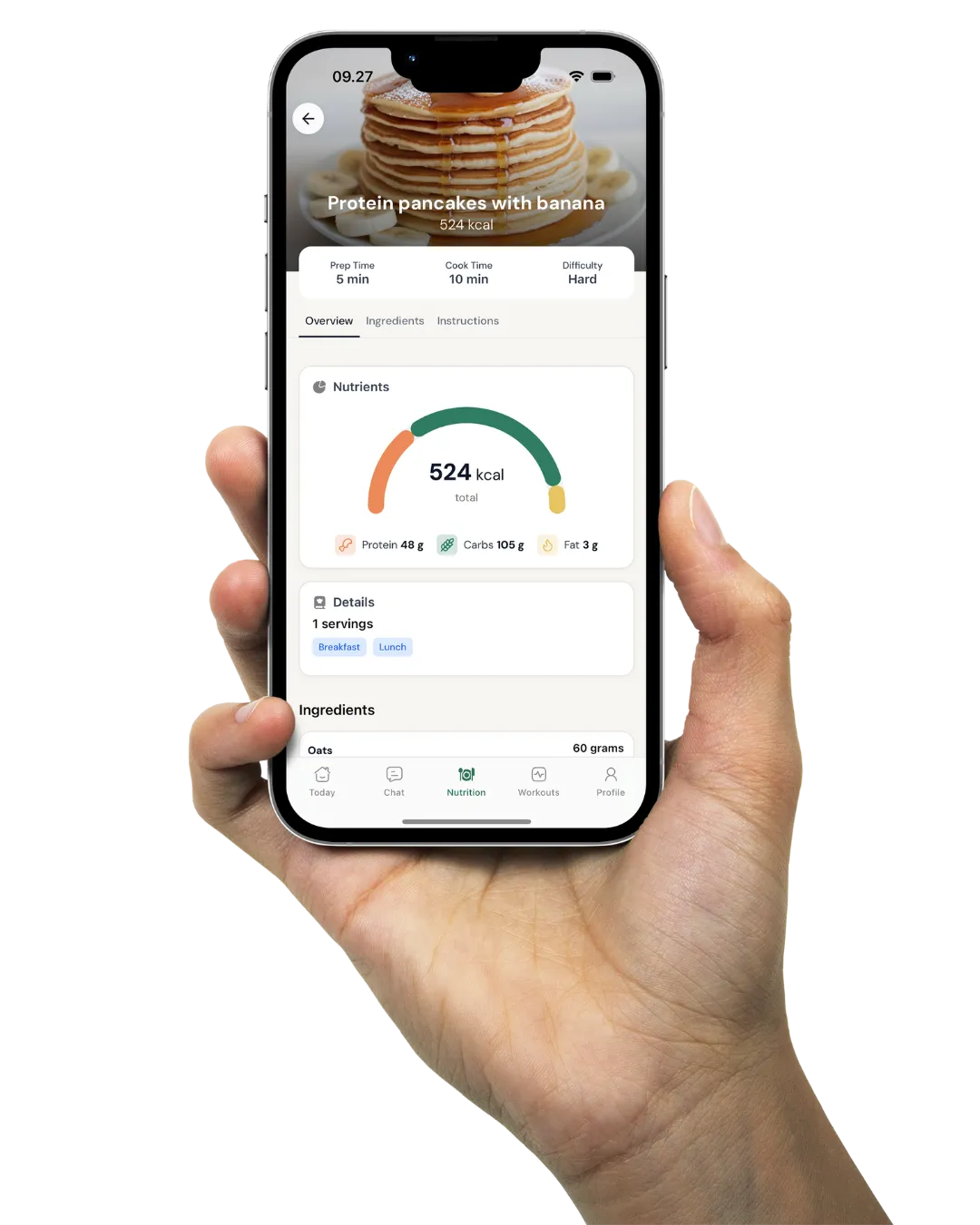
Every part of the model above lives or dies on the check-in loop. Coachway's Power Panel is a single inbox that puts each client's numbers, photos, training log and message on one screen, so a review is 3 to 5 minutes instead of 15 - the Monday batch that would eat a full day fits a morning. Programming pulls from 1,800 exercises and 1,100 recipes instead of a blank document, and every client lives in one 6-language branded app rather than four tools you reconcile by hand, with payments through your own Stripe at a 0% platform fee.

One honest note on the next lever past a solo roster: group coaching and an app membership tier - the way many coaches serve more people without a linear rise in hours - are shipping on Coachway at the end of October 2026. Until then, the model above is a solo-and-systems play, and the fastest win in it is the check-in loop.

the ceiling

What breaks first, and when it stops being a solo job.

The same operating model does not stretch forever. The first thing to crack is usually the check-in loop, somewhere around 30 to 50 clients, where a DMs-and-spreadsheets setup that felt fine suddenly drops threads and slows replies. Retention slips before the coach notices, because service thinned out quietly under the load. That is the moment to change the model, not to add hours.

Past a well-run ceiling, there are two honest moves: raise prices and stay deliberately smaller, or add delivery capacity with an assistant coach. The test is simple - would one more client lower the quality every current client gets? If yes, you are at the ceiling. Our guide on when to hire an assistant coach covers that decision, and retaining online coaching clients covers holding quality as you grow.

questions coaches ask

Frequently asked questions.

How do coaches actually handle 100+ clients?

With a model, not more hours. Coaches who run 100-plus clients batch their check-ins into fixed blocks, template their programming from a library instead of writing each plan from scratch, contain messaging to a couple of short windows a day, and run everything in one platform instead of four they reconcile by hand. The week is time-blocked and protected, including a real day off, so volume stays a system rather than becoming chaos. The number of clients is not the hard part - an unstructured workflow is.

How many hours a week does coaching 100 clients take?

Far fewer than people assume, if the systems are right, and unsustainably many if they are not. The same 100 clients can be a focused four-day week or a frantic seven-day one - the difference is almost entirely workflow. The biggest hidden cost is admin and tool-switching, which can quietly eat ten to fifteen hours a week that produce no coaching value. Compress the check-in and programming loops and contain messaging, and the coaching itself is the smaller part of the week.

What breaks first when you scale a coaching roster?

Usually the check-in loop, somewhere around 30 to 50 clients. A workflow of DMs, spreadsheets and separate apps works fine at 15 clients and collapses at 50, because every extra client multiplies the tab-switching and the dropped threads. Retention slips before you notice, because replies get slower and more generic under the load. The fix is not working more hours - it is changing the operating model before the roster outgrows it.

Can one coach handle 100 clients solo, or do you need a team?

A well-systemized solo coach can run a surprisingly large roster if the model is templated and contained, but there is a ceiling where quality or your life gives way. Past it, the choice is to raise prices and stay smaller, or add an assistant coach for delivery capacity. The honest test is whether adding one more client would lower the quality every existing client gets - if yes, you are at the ceiling, and more hours will not fix it.

The takeaway: 100 clients is a workflow problem, not a willpower one. Batch the check-ins, template the programming, contain the messaging, run it in one place, and protect the week - including the day off. Fix the per-client minutes on the tasks you repeat and the roster stops scaling your hours. The groundwork is in systemizing your coaching business with SOPs.

See what Coachway can do for your coaching business

Coachway was built on knowledge from working with 150 online coaches over 6+ years, who all hit the same wall - slow platforms, clunky workflows, wasted hours. Start your 14-day free trial and see what we fixed - the whole platform, no charge today, cancel anytime under Billing.

No charge today - cancel anytime under Billing
Built for efficiency 6 languages DenmarkNorwaySwedenFinlandGermanyUnited Kingdom
The coaching platform you've been waiting for