Skip to content
choosing a path · health

Health coach vs nutrition coach vs wellness coach.

The three titles overlap so much that they are often used interchangeably - which makes choosing between them confusing when you are deciding what to call yourself. This guide draws the real lines: what each role focuses on, the scope boundaries that matter (especially coaching versus a registered dietitian), where they overlap, and which path fits which kind of coach.

By Markus Evers · Updated June 2026

the short answer

A health coach supports whole-person health behaviors - sleep, stress, movement, general nutrition, and habits. A nutrition coach focuses specifically on food and eating behaviors. A wellness coach works on overall lifestyle and balance. All three are non-clinical: they coach behavior change and accountability, and none diagnoses, treats, or prescribes. The big difference is breadth of focus - and the firm line is that none of them is a registered dietitian or clinician.

A note before you start: this article is general information, not legal, medical, or psychological advice. Titles, certification requirements, licensing rules, and what a non-clinical coach is allowed to do vary by country and state, and they change over time. Always verify the current rules for where you practice and, where a client's needs are clinical, refer to a physician, registered dietitian, or licensed therapist.

the lines, side by side

The three roles at a glance - plus the one they are not.

Start with the simplest version. Health, nutrition, and wellness coaching are three overlapping non-clinical roles that differ mainly in how wide they cast. A registered dietitian is included in the table as a deliberate contrast: it is a regulated clinical profession, not a coaching title, and it marks the edge where coaching scope clearly ends.

Role Main focus Scope boundary Who it tends to fit
Health coach Whole-person health behaviors - sleep, stress, movement, general nutrition, and habits that support overall wellbeing. Non-clinical. Supports behavior change and accountability; does not diagnose, treat, or manage disease. People who want to coach broad lifestyle change and chronic-condition support that stays inside a behavior-change lane.
Nutrition coach Food behaviors specifically - eating habits, portions, general healthy-eating guidance, and accountability around them. Non-clinical. Gives general nutrition education for healthy clients; does not prescribe therapeutic or medical-nutrition diets. People who love food and habit work and want a focused, easy-to-explain offer built around eating.
Wellness coach Overall lifestyle and balance - stress, energy, mindset, routines, and general wellbeing across the whole week. Non-clinical. Coaches habits and balance; does not provide therapy or treat mental-health conditions. People drawn to the big picture of how a client lives, not just one domain like food or training.
Registered dietitian (for contrast) Medical nutrition therapy and clinical dietetics - a regulated, credentialed clinical profession. Clinical. Can assess, diagnose nutrition-related conditions, and prescribe therapeutic diets where licensed. Not a coaching title at all - listed here so you can see where the coaching scope clearly ends.

Titles are used loosely across the industry, so two coaches with the same label can do quite different work. Treat this table as the spirit of each role, not a legal definition - what you are actually allowed to do is set by your scope and your local rules, not by the word on your website.

the widest lane

What a health coach focuses on.

Health coaching is the broadest of the three. A health coach helps clients change the everyday behaviors that drive overall health - sleep, stress, movement, general nutrition, and the routines that hold them together. The work is rarely about a single domain; it is about helping a person take consistent action across the parts of their life that move the needle, and staying accountable to it week after week.

In the US, health coaching also has the most developed credentialing path. The National Board for Health and Wellness Coaching (NBHWC) is the recognized accreditation standard, and NBHWC-approved programs offer a board exam pathway. That structure is why health coaching is increasingly used inside clinics and wellness programs to support people with chronic conditions - always as a behavior-change partner alongside the medical team, never as a replacement for one.

The boundary is the same as every coaching role here: a health coach supports behavior change but does not diagnose, treat, or prescribe for disease. Working near chronic conditions makes that line more important, not less. If becoming one is your path, the steps in how to become a wellness coach map closely, since the certification landscape and scope rules are shared across health and wellness coaching.

the focused lane

What a nutrition coach focuses on - and the dietitian line.

Nutrition coaching narrows the lens to one thing: food. A nutrition coach helps healthy clients build better eating habits - portions, food choices, consistency, and the daily decisions that add up - through general healthy-eating guidance, structure, and accountability. The focus makes the offer easy to explain and easy to sell, which is part of why it is such a common entry point into coaching.

This is where the most important boundary on this page lives. A nutrition coach is not a registered dietitian. A dietitian is a regulated clinical professional who can assess, diagnose nutrition-related conditions, and prescribe medical-nutrition therapy where licensed. A nutrition coach provides general guidance and habit support for healthy people - and refers anything therapeutic or medical to a dietitian. That includes eating disorders, clinical conditions like diabetes or kidney disease that need a therapeutic diet, and anyone whose nutrition is genuinely a medical matter. Treating referral as the professional move, not a failure, is what keeps the role safe.

If this is your direction, two reads pair well with this one: how to become a nutrition coach covers certifications and the scope line in depth, and how to do nutrition coaching online covers actually delivering it. Recognized nutrition-focused programs in the space include Precision Nutrition, NASM, ISSA, and ACE - requirements and recognition vary, so confirm current details with each body before enrolling.

the big-picture lane

What a wellness coach focuses on.

Wellness coaching leans toward the whole picture of how a client lives - stress, energy, mindset, routines, and overall balance across the week. Where nutrition coaching zooms in on food and health coaching centers on health behaviors, wellness coaching tends to start from the question of how someone wants their life to feel, then works backward into the habits that get them there. In practice the day-to-day work looks almost identical to the other two: intake, goals, habit design, check-ins, and accountability.

The honest truth is that "wellness coach" and "health coach" are the pair most often used interchangeably, and many programs cover both. Neither is clinical. A wellness coach coaches habits and balance; they do not provide therapy or treat mental-health conditions, and they refer out when a client's needs become clinical. The scope rules and certification landscape are shared enough that how to become a wellness coach works as the practical playbook for this lane.

the line all three share

The scope line is the same for all three.

Whatever you call yourself, the boundary that matters does not change. Health, nutrition, and wellness coaching all sit on the non-clinical side of the same line. Holding it protects your clients, your insurance, and your business.

Inside the coaching lane

Coaching habits, accountability, and behavior change; supporting general sleep, stress, movement, and nutrition for healthy clients; setting realistic goals and helping people follow through.

Outside it, for everyone

Diagnosing conditions, treating disease, prescribing therapeutic or medical diets, or providing mental-health therapy. That is physician, registered dietitian, and licensed-therapist territory - refer, do not improvise.

When to refer

Eating disorders, depression or anxiety, chronic disease, pregnancy, medication interactions, or anything that feels clinical. Have professionals you can point clients to, and put it in writing in your client agreement.

Because the line is shared, the title you pick changes your focus far more than it changes your limits. For a deeper treatment of where coaching ends and clinical care begins, read scope of practice for online coaches before you take your first paying client.

the honest overlap

Where the three overlap - and why it matters less than you think.

Here is the part the title debate usually misses: the actual work is nearly the same across all three. Intake calls, goal setting, habit design, weekly check-ins, accountability, and the occasional course-correction make up the day-to-day of a health coach, a nutrition coach, and a wellness coach alike. A nutrition coach who helps a client sleep better, or a wellness coach who tightens up a client's eating, has not crossed a line - they have just drawn on the overlap that is built into all three roles.

This is why many coaches do not pick one title and stop - they choose a focus, build a niche inside it, and let the work bleed naturally into the neighboring areas. The constraint is never the label; it is the scope. As long as you stay non-clinical and refer anything clinical out, you can run health, nutrition, and wellness work under one practice without contradiction.

So the real decision is not "which title is most prestigious" - none outranks another - but "which focus do I want to be known for, and who do I want to serve." That choice shapes your offer, your content, and your pricing far more than the word on your homepage.

choosing your focus

Which path suits whom.

Choose nutrition coaching if food and eating habits are genuinely your passion and you want a focused, easy-to-explain offer. It is one of the cleanest niches to sell because clients understand exactly what they are buying. Just keep the dietitian line firmly in view.

Choose health coaching if you want the widest behavior-change canvas - sleep, stress, movement, and nutrition together - and you are drawn to working alongside healthcare for clients managing chronic conditions. It is the lane with the most developed board credentialing through NBHWC, which can matter if you want to work inside clinical or corporate-wellness settings.

Choose wellness coaching if the whole picture of how a client lives - their balance, energy, and routines - is what pulls you, rather than any single domain. It is the most flexible framing and pairs naturally with the other two.

Whichever you pick, the next step is the same: turn the focus into a niche, an offer, and a way to find clients. The channels in how to get online coaching clients work the same way for all three, because the buyer - someone who wants help changing how they live - is the same person underneath the label.

the tooling

One platform delivers all three.

Because the day-to-day work is nearly identical across the three roles, the same operating system covers all of them. Coachway is built for online fitness and nutrition coaches running roughly 10 to 80 clients, and a health or wellness practice fits the same shape: intake, weekly check-ins, habit and goal tracking, in-app chat with voice notes, and the Power Panel check-in review that lets you scan a week of client progress in one place. Everything reaches the client through a native branded mobile app, in their own language - English, Danish, Norwegian, Swedish, Finnish, or German.

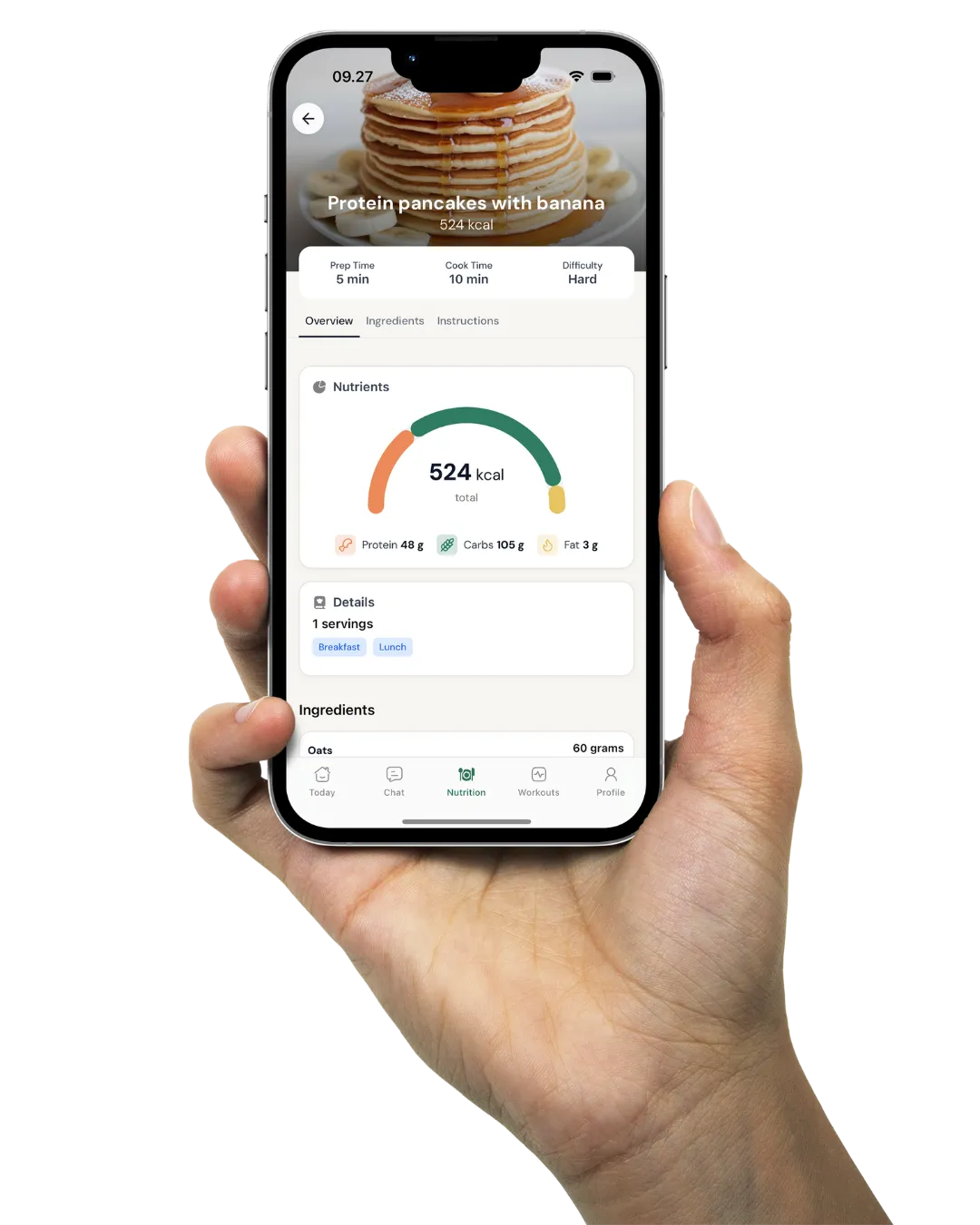
If your focus leans toward food, Coachway's meal planner lets you build general meal guidance, scale portions, and draw on a recipe library - all within a non-clinical scope. Coachway does not include a client-facing food diary, so design your method around the goals, habits, and check-ins you set rather than around client-side food logging. For the wider category view, health coaching software walks through the features a behavior-change practice actually uses, and online nutrition coach covers the food-focused version of the same setup.

On pricing, Coachway is predictable per client: EUR 69 per month for up to 5 clients, then EUR 9 per additional active client, with all features included. You keep your own Stripe, so payments stay in your account, with optional built-in payments at roughly 2.4% only if you choose them. It is EU-friendly on VAT and GDPR, with same-day human support - see the full breakdown on the pricing page.

questions coaches ask

Frequently asked questions.

What is the difference between a health coach and a nutrition coach?

A health coach supports whole-person health behaviors - sleep, stress, movement, general nutrition, and habits - while a nutrition coach focuses specifically on food and eating behaviors. Both are non-clinical: they coach behavior change and accountability, and neither diagnoses, treats, or prescribes for disease. The main difference is breadth of focus, not seniority or qualification level.

Is a nutrition coach the same as a registered dietitian?

No. A registered dietitian is a regulated clinical professional who can assess, diagnose nutrition-related conditions, and prescribe medical-nutrition therapy where licensed. A nutrition coach is non-clinical and provides general healthy-eating guidance, habit support, and accountability for healthy clients. When a client needs a therapeutic or medical diet, a coach refers to a dietitian rather than improvising.

Which is better - health coach, nutrition coach, or wellness coach?

None is objectively better; they suit different people. Pick nutrition coaching if food and habits are your passion and you want a focused offer, health coaching if you want broad lifestyle and behavior-change work, and wellness coaching if balance, stress, and overall lifestyle pull you most. What matters more than the title is your training, your scope, and the niche you choose to serve.

Do health, nutrition, and wellness coaches need different certifications?

There is overlap. NBHWC is the recognized board standard for health coaches in the US, while bodies like ACE, NASM, ISSA, Precision Nutrition, and IIN offer nutrition and wellness-focused programs. Many coaches hold a credential that spans more than one area. Requirements, costs, and recognition vary by country and change over time, so confirm current details with each certifying body.

Can one coach do health, nutrition, and wellness coaching together?

Yes, and many do. The titles overlap heavily and the day-to-day work - intake, goal setting, habit design, weekly check-ins, accountability - is nearly identical across all three. The honest constraint is scope, not title: as long as you stay non-clinical and refer anything clinical out to a physician, dietitian, or therapist, you can blend the three under one practice.

Where does coaching scope end and a clinician begin?

Coaching covers habits, accountability, general nutrition and lifestyle, and behavior change for healthy clients. Diagnosing conditions, prescribing therapeutic diets, managing disease, or treating mental-health issues belongs to physicians, registered dietitians, and licensed therapists. Holding that line - and referring out when a client crosses it - protects your clients, your insurance, and your business.

This article is general information, not legal, medical, or psychological advice. Titles, certification requirements, licensing, insurance, and scope of practice vary by country and state and change over time - verify the current rules for where you practice. When a client's needs are clinical, refer to a physician, registered dietitian, or licensed therapist.

Picked your focus? Hold the line with scope of practice for online coaches, then win your first clients with how to get online coaching clients.

See what Coachway can do for your coaching business

Coachway was built after working with 150+ coaches who all had the same frustrations - slow platforms, clunky workflows, wasted hours. Book a demo and see what we fixed. 15 minutes, and you'll know if it's the right fit.

Built for efficiency 6 languages DenmarkNorwaySwedenFinlandGermanyUnited Kingdom
The coaching platform you've been waiting for