Skip to content
nutrition · metabolism

Reverse dieting and metabolic adaptation, explained for coaches.

Reverse dieting coaching sits at the end of a hard cut: a client's energy use has adapted downward, progress has stalled, and you need to bring calories back up without triggering a rebound. This guide explains what metabolic adaptation actually is (and the myths around it), what the evidence behind reverse dieting really supports, and a practical, check-in-driven framework for transitioning a client off a deficit.

By Markus Evers · Updated June 2026

the short answer

Metabolic adaptation is the body's slowdown in energy use during a prolonged deficit, and reverse dieting is the gradual post-diet calorie increase coaches use to restore intake while limiting fat regain. The slowdown is real but usually modest and largely reversible, and reverse dieting is helpful as a structured transition, not a way to "heal" a metabolism or keep losing fat while eating more. The win is a calm, data-led return to maintenance you can run through your normal check-ins.

This is general information for coaches, not nutrition or medical advice, and the science here is still debated. Set targets within your certification and scope of practice. If a client shows signs of disordered eating or food anxiety, which commonly surface after a long, aggressive cut, that is a reason to refer to a registered dietitian or physician, not a coaching project.

first, the physiology

What metabolic adaptation is, and what it is not.

When a client diets for a long stretch, the calories they burn in a day tend to fall. Some of that is simple: a lighter body needs less energy to move and maintain. Some is behavioral, because people tend to fidget and move less without noticing when they are under-fueled. And some is a genuine adaptation, where the body becomes a little more efficient than weight loss alone would predict. Researchers call that last piece adaptive thermogenesis. It is real, but in most people it is modest, and it varies widely from one client to the next.

What it is not is a "damaged" or "broken" metabolism. That framing gets used a lot, usually to sell a fix, and it does not hold up well. The slowdown is largely reversible: as a client eats more, regains some weight, and starts moving more again, expenditure tends to climb back toward where you would expect for their size. Reverse dieting works with that recovery; it does not unlock some special repair the body could not do on its own.

This sits inside your broader approach to nutrition coaching online. The end of a cut is just one phase of a longer relationship, and how you handle it shapes whether the result a client just earned actually sticks.

the coaching checklist

What a sound post-cut transition includes.

Whether you call it a reverse diet or a maintenance phase, the parts that matter are the same. Use this as the spine of the plan before you touch a single calorie number.

  • A clear goal for the phase: restore intake and protect the result a client just worked for, not chase more weight loss.
  • Small, structured calorie increases rather than an overnight jump back to old eating habits.
  • A protein target held steady while energy comes up, with the added calories coming mostly from carbohydrates and some fat.
  • Weekly tracking of body weight, measurements, and progress photos so a real trend separates from day-to-day water shifts.
  • Honest expectation-setting that some scale weight will come back as water and glycogen, not fat.
  • Ratings for energy, hunger, sleep, and training quality so diet fatigue is visible before it derails the phase.
  • A simple decision rule for when to add more calories and when to hold, based on two to three weeks of data rather than one weigh-in.
  • A defined exit into maintenance, because the phase has an end, not an indefinite climb upward.
  • A referral trigger for disordered-eating or food-anxiety signals, which commonly surface after a long, aggressive cut and sit outside a coaching scope.
claims vs evidence

What reverse dieting claims, and what the evidence supports.

Reverse dieting is a contested topic, and a lot of the marketing around it goes well past what the research can back. Here is a calmer reading of the common claims, so you can set expectations a client will not feel let down by later.

The topic Common marketing claim What the evidence more reasonably supports
A "broken" metabolismDieting damages your metabolism and a reverse repairs itExpenditure drops but is largely reversible; "damaged" is overstated
Eat more, lose moreYou keep losing fat while adding caloriesMost clients maintain or slightly regain; the claim is overstated
No fat regainA slow reverse guarantees you keep all the leannessIt may limit a fast rebound, but some regain is common and individual
A big metabolic boostAdds hundreds of calories to maintenanceAdaptation beyond predicted exists but is typically modest and varies
Everyone needs oneEvery client must run a formal reverse dietMany do fine with a straightforward maintenance phase instead

The practical takeaway: position reverse dieting as a structured, lower-stress way to come off a deficit, not as a metabolic cheat code. That honesty protects the client's trust when the scale moves and protects you from promising an outcome you cannot control.

step by step

How reverse dieting coaching works, step by step.

This is a transition framework, not a fixed prescription. The numbers belong to the individual client, so think of these steps as the structure and let their data set the pace. To sketch a starting point for the climb back up, a reverse diet calculator can frame the weekly increments before you adjust from real check-in data, and it pairs directly with how you calculate TDEE and set macros for clients in the first place.

  1. 01

    Set the phase goal and the starting point

    Agree on what this phase is for: eating more, feeling better, and holding the result, not losing more. Record the calories the client finished the cut on, their current weight and measurements, and a few photos, so you have a clean baseline to read change against.

  2. 02

    Bring calories up in small steps

    Add energy in modest increments rather than all at once. There is no universal number, so treat any figure as a starting point: many coaches add a small amount, hold for a week or two, and only add more if the trend stays stable. This is a rule of thumb, not a rule.

  3. 03

    Hold protein, add mostly carbs

    Keep the protein target roughly where it was and bring most of the added calories in as carbohydrates, with some fat. Carbohydrates tend to support training quality and tend to be the easiest lever to adjust and reverse if you add too fast.

  4. 04

    Track the trend, not the day

    Read body weight as a weekly average and pair it with measurements, photos, and how the client feels. A single jump on the scale after eating more is usually water and glycogen. Two to three weeks of data tells you what is actually happening to body composition.

  5. 05

    Decide: add more, hold, or exit to maintenance

    If weight and measurements are stable and energy is improving, you can add a little more. If they are climbing faster than you want, hold. When the client is eating at a comfortable, sustainable maintenance and feels recovered, end the phase deliberately rather than letting it drift.

One more reframe worth giving every client: a stall at the end of a cut is not always a metabolism problem. Adherence drifts, sleep slips, and steps fall when people are tired and under-fueled. Before you assume deep adaptation, rule out the ordinary causes the same way you would when helping a client break through a plateau. And if a client is on appetite-altering medication, expect different hunger and intake patterns, which is its own conversation when you coach clients on GLP-1.

in your workflow

Coaching the transition through check-ins.

A reverse diet lives or dies on whether you read the trend instead of reacting to one weigh-in. That is a workflow question as much as a nutrition one, and it is where your check-in system carries the weight.

Auto-charted trends

Coachway plots body weight, measurements, and custom metrics automatically, so a real trend separates from the water-and-glycogen bounce a client sees the week they start eating more.

Check-in ratings

Custom check-in forms turn energy, hunger, sleep, and training quality into rating fields, so diet fatigue and recovery show up as trend lines, not as a single offhand comment in chat.

A meal planner that scales

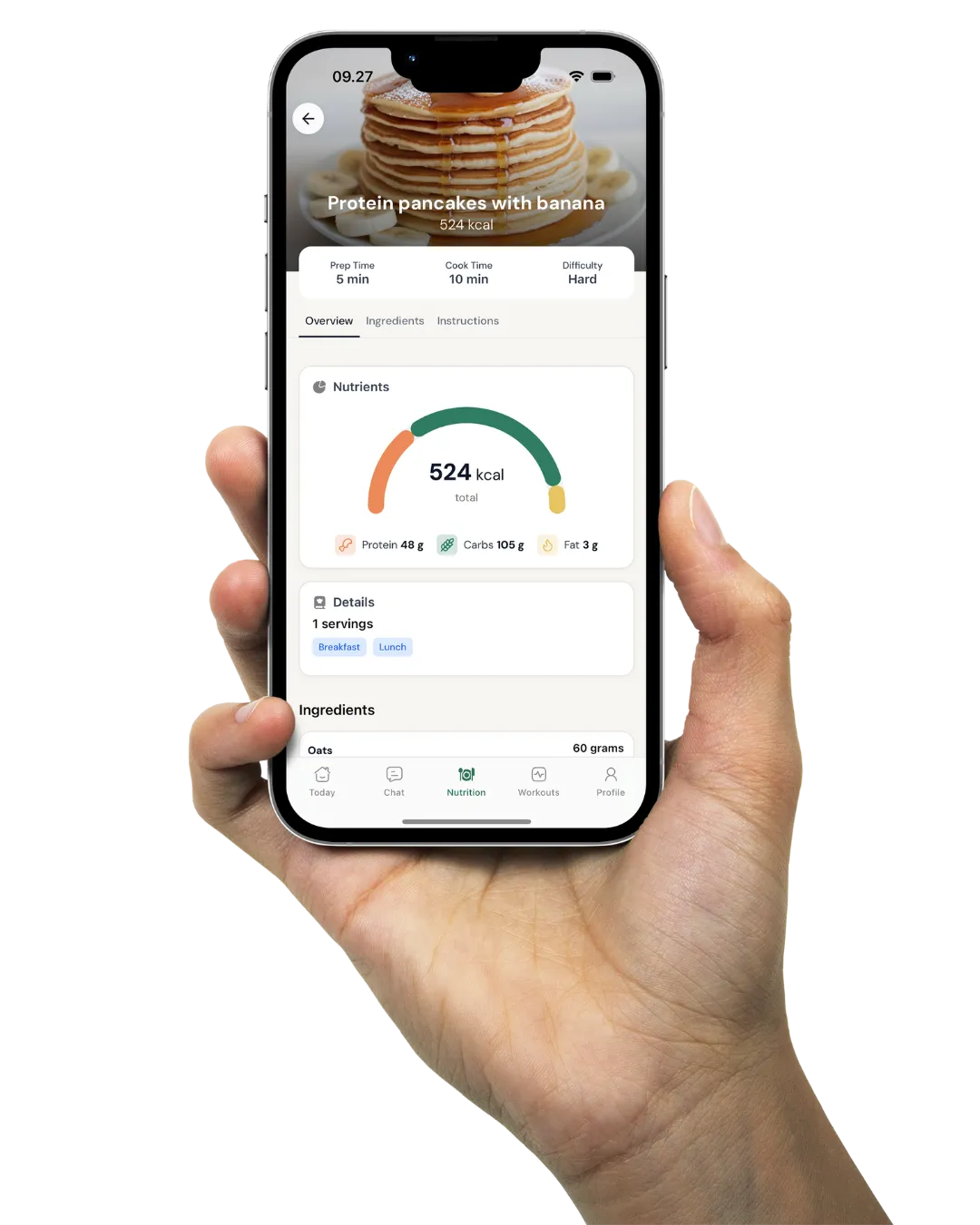
As calories climb, adjust the plan and portion-scale recipes with macro and micronutrient detail, then send the client a PDF they keep. The plan moves with the phase instead of going stale.

Run the whole phase as part of your normal weekly client check-ins, so each small calorie change is a decision made from data rather than a guess. Explore the meal planner to see how targets, recipes, and macros stay in one place while you bring a client back to maintenance.

questions coaches ask

Frequently asked questions.

What is reverse dieting?

Reverse dieting is the gradual, structured increase of calories after a period of dieting, with the aim of restoring a client's intake toward maintenance while limiting fat regain. In practice it means adding energy in small steps, mostly from carbohydrates, and tracking the response through regular check-ins rather than jumping straight back to old eating habits.

Does metabolic adaptation really slow your metabolism?

Energy expenditure commonly drops during a prolonged deficit, from a lower body weight, less spontaneous movement, and some adaptation beyond what weight loss alone predicts. That part is real but usually modest and varies a lot between people. The idea of a permanently "damaged" or "broken" metabolism is overstated; the slowdown is largely reversible as a client eats more and moves more again.

Does reverse dieting prevent fat regain?

It may help limit a rapid rebound by reintroducing calories in a controlled way, but it does not guarantee zero fat gain, and the evidence here is contested. Some regain, especially water and glycogen at first, is common and individual. The honest framing for a client is that a structured approach gives you more control than a sudden return to unrestricted eating, not that it makes fat regain impossible.

How fast should I increase a client's calories after a cut?

There is no single right number, and it varies by client, training, and how aggressive the cut was. A common, conservative approach is to add a small amount of energy at a time, mostly from carbohydrates, hold for one to two weeks, and only add more if weight and measurements stay stable. Treat any specific figure as a starting point to adjust from real data, a rule of thumb rather than a rule.

Is a maintenance phase the same as a reverse diet?

They overlap but are not identical. A maintenance phase moves a client to their estimated maintenance calories and holds there to recover and stabilize. A reverse diet adds calories gradually over weeks toward that point. Many clients do perfectly well with a straightforward maintenance phase, and for them a formal, slow reverse is not required.

A closing reminder: this article is general information for coaches, not nutrition or medical advice, and reverse dieting remains a debated topic. Keep your guidance inside your scope of practice, and refer any client who shows disordered-eating signals, a clinical condition, or distress around food to a registered dietitian or physician. Used honestly, a structured transition off a cut is one of the most reassuring things you can offer a client, handled right inside your normal check-in workflow.

See what Coachway can do for your coaching business

Coachway was built after working with 150+ coaches who all had the same frustrations - slow platforms, clunky workflows, wasted hours. Book a demo and see what we fixed. 15 minutes, and you'll know if it's the right fit.

Built for efficiency 6 languages DenmarkNorwaySwedenFinlandGermanyUnited Kingdom
The coaching platform you've been waiting for