Skip to content
packages · personal training

Personal training packages: how to structure, name and price them.

Most trainers do not lose clients because the coaching is weak. They lose them because the package is - a pile of sessions with no destination, a name nobody understands, or an "unlimited" promise that burns the coach out by month three. This guide covers the structures that work (session packs, monthly coaching, hybrid), how many tiers to run and what goes in each, naming that sells, where the prices sit, the mistakes that quietly kill retention, and how to move an in-person package online.

By Markus Evers · Updated July 2026

the short answer

A personal training package is coaching sold as a defined block: a session pack, a monthly coaching subscription, or a hybrid of the two. Structure it around one clear outcome, offer two or three tiers that differ by access rather than quality, name each tier plainly, and price the result instead of the hour.

Any figures in this guide are illustrative market benchmarks, not a price list - real rates vary by country, market, and trainer, and they change over time.

the structures

Package structures that work.

There are really only three shapes a personal training package can take: a block of sessions, a monthly coaching subscription, or a hybrid of both. Each solves a different problem, and most package trouble starts with picking the wrong shape for the goal - selling ten sessions to someone whose transformation needs ten months, or forcing a subscription on someone who genuinely just wants a squat technique block.

Structure How it works When it fits
Session pack A block of sessions bought up front - commonly around 10 - used up one booking at a time, usually in person. Technique blocks, sport-specific skill work, and clients who genuinely only want supervised sessions. Weak for ongoing transformations, because the relationship ends when the pack runs out.
Monthly coaching A recurring subscription covering the whole coaching week: program, check-ins, messaging, and accountability, delivered mostly through an app. Fat loss, strength, habit change - any goal measured in months. Predictable income for you, continuous structure for the client, and no re-sell moment every few weeks.
Hybrid A monthly subscription plus a set number of in-person sessions - for example online coaching with two floor sessions a month. Trainers moving a gym clientele online, clients who want hands-on form work plus daily structure, and premium tiers where face time is the differentiator.

The pattern worth internalising: session packs sell time, monthly coaching sells an outcome with structure around it, and hybrid sells both to the client who wants hands-on work plus daily accountability. If your clients' goals are measured in months - fat loss, strength, habit change - the monthly structure should carry your business, with session packs kept for genuinely finite work. To be clear about what you are promising in the first place, our guide to building an online coaching offer covers the promise the package delivers.

the tiers

How many tiers, and what goes in each.

Two or three tiers, no more. One price forces a yes-or-no decision; four or more creates homework. The classic good-better-best ladder works because people self-select: the entry tier catches budget-conscious clients, the middle tier is the one you actually want to sell, and the premium tier anchors the value so the middle looks sensible. Here is what that ladder looks like for an online or hybrid trainer - names and prices are examples, not prescriptions.

Tier Example name What goes in it Illustrative price
Good "Foundations" Custom training program in the app, exercise video demos, progress logging, and a check-in every two weeks. roughly $100-$150 / month
Better "1:1 Coaching" Everything in Foundations, plus a personal nutrition plan, a weekly check-in with an individual reply, and direct messaging. roughly $200-$300 / month
Best "1:1 Coaching Plus" Everything in 1:1 Coaching, plus a monthly video call, priority replies, and deeper personalization - or in-person sessions if you run hybrid. roughly $400+ / month

Notice what changes between tiers: access and depth, not quality. Every tier gets a real program, real tracking, and a real way to reach you - the upgrade buys more of your attention, faster replies, and more personalization, never a working version of something the entry tier got broken. Notice also what does not appear: "unlimited" anything. Each tier promises a cadence you can keep at 10 clients and at 60, which is what makes the ladder sustainable rather than a burnout schedule with three names.

the names

Naming packages: clear beats clever.

A package name has one job: tell the buyer what it is, who it is for, and what it leads to before they have to think. "12-Week Postpartum Strength Rebuild" does that job. "Project Phoenix" does not - it makes the prospect do the work of decoding you, and confused prospects do not buy, they close the tab.

Outcome + time frame

"12-Week Strength Rebuild", "16-Week Fat Loss Coaching". The strongest pattern, because the name is the promise. It also sets the duration expectation before the sales conversation starts.

Audience + outcome

"Busy Professional Fat Loss", "Runners' Strength Coaching". Works when your niche is the differentiator - the right person reads it and thinks "that is me", which is most of the sale.

Ladder names

"Foundations / 1:1 Coaching / 1:1 Coaching Plus". For tiers within one offer, names only need to signal position on the ladder. Bronze-silver-gold is clear too, just says nothing about the work.

What to avoid: mythology names, acronyms, inside jokes, and anything that needs a paragraph of explanation. Clever names feel like branding, but they tax every ad, every bio link, and every referral conversation - your happiest client cannot recommend "the Kraken Protocol" to a colleague without explaining it first. A clear name travels on its own. If the name needs a tagline to make sense, the tagline is the better name.

the numbers

Pricing the tiers.

This page is about where the numbers sit relative to each other; the method for arriving at the numbers themselves - value-based pricing, anchoring on the outcome, when to raise - is covered in our guide to how to price your online coaching packages. For orientation, the market benchmarks: in-person sessions commonly run roughly $40-$120 each, online coaching around $100-$300+ per month, and premium high-touch or hybrid packages can reach $400-$1,000+ per month - the full breakdown is in how much to charge for personal training.

Set the middle tier first

The middle tier is the package you actually want to sell, so price it at the rate your income target requires - you can run the math in our free coaching rate calculator. Then build outward: the entry tier close enough below that upgrading later feels easy, and the premium tier meaningfully above so it anchors the value and makes the middle look like the sensible pick.

Reward length, not haggling

If you sell defined-length packages, let the monthly rate descend as the commitment grows - a 12-month package at a lower monthly rate than a 6-month one. That is a structure, not a discount: the client earns the better rate by committing, and you earn predictable income and better results from the longer runway. The full 6-9-12 month version of this is in how to set pricing as an online fitness coach.

Keep session-pack discounts small

A 10-session pack usually carries a small per-session discount against single sessions - that is fair, because the client commits and you get cash and retention up front. Keep it small. A deep pack discount just teaches your market to never pay the single-session rate, and it makes the pack the ceiling of what your time is worth instead of the floor.

Quote the package, collect monthly

Sell the commitment, anchor on the monthly number. "Twelve weeks, three payments of X" converts better than one large invoice, and it keeps the conversation on the transformation rather than an hourly division exercise. Whatever you charge, make the billing automatic - a package that depends on you chasing transfers each month has a retention leak built in.

One honest note, in the spirit of only prescribing what is needed: if you have fewer than a handful of clients, do not spend a week engineering a three-tier price architecture. One clear package at one clear price, sold to real people, will teach you more about your market than any pricing theory - add the ladder when demand gives you a reason to.

the traps

Package mistakes that kill retention.

Retention is where a coaching income is actually made, and package design decides more of it than most trainers realise. These five mistakes look like generosity or flexibility on the day you launch and cost you clients for years afterwards.

01

Unlimited everything

Unlimited messaging and unlimited sessions read as generous on a sales page and deliver burnout in practice. Your heaviest users consume your week, your lightest users churn feeling they wasted money, and nobody can tell what the package is actually worth. Define a cadence and a response window instead - "weekly check-in, replies within 24 hours on weekdays" is a promise you can keep for years.

02

The discount spiral

Every discount teaches the client that your price is negotiable, and renewal at full price then feels like a price increase. If you want to reward commitment, build it into the structure - a lower monthly rate for a longer package - rather than knocking money off the same offer. Discounting the commitment is a system; discounting the price is a spiral.

03

The gutted entry tier

An entry tier stripped of the things that make coaching work - no real program, no check-ins, no way to reach you - sets those clients up to fail. Failed clients do not upgrade; they leave and tell people it did not work. Differentiate tiers by access and depth, never by removing the spine of the coaching.

04

Too many options

Five packages, three bolt-ons, and a seasonal special is not choice, it is homework. Prospects who cannot decide do not buy, and every extra package multiplies your admin and muddies your marketing. Three tiers is plenty; two is often enough.

05

No renewal path

A package that just ends is a cancellation with a delay. Build the next step into the structure from day one - a defined end point, a progress review, and an extension conversation started well before the last week, not after the final session when the momentum is already gone.

The common thread: every one of these trades long-term retention for a slightly easier sale today. A package that is honest about its boundaries - this cadence, this duration, this price - keeps clients longer than one that promises everything, because the promise gets kept. For what healthy retention looks like in numbers, see our guide to client retention rate.

going online

Moving in-person packages online.

If you built your client base on the gym floor, your packages are probably session packs - and session packs do not survive the move online unchanged, because "a session" stops being the unit of value. The move is a redesign, not a port. Four steps, in order:

01

Translate sessions into a coaching week

In person, the session is the container for everything: the program, the form coaching, the accountability, the chat. Online, those jobs get their own containers - a structured program in the app, video demos and logged sets for form, scheduled check-ins for accountability, messaging for everything in between. Map what each session actually did for the client, then rebuild each job in the new format instead of trying to sell "sessions over Zoom".

02

Start hybrid, not cold turkey

You do not have to abandon the gym floor. A hybrid package - monthly online coaching plus one or two in-person sessions - keeps the hands-on work your best clients value while moving programming, tracking, and accountability online. It raises your capacity immediately, and it gives nervous clients a bridge instead of a cliff.

03

Reprice for the new format

Do not divide your session-pack price by four and call it a monthly rate. Online coaching is priced against a different benchmark - commonly somewhere around $100-$300+ per month - and while the headline number is often lower than a stack of in-person sessions, the margin is usually better: no floor fees, no travel, and programming you build once and adapt per client.

04

Move existing clients with a clear offer

Show, do not describe. Let a current client see the app - their program, their check-in, the chat - before you ask them to switch, and give your loyal clients a fair bridge, like keeping their current rate for a defined window. Schedule the first online check-in before the last in-person session so there is never a gap where the coaching goes quiet.

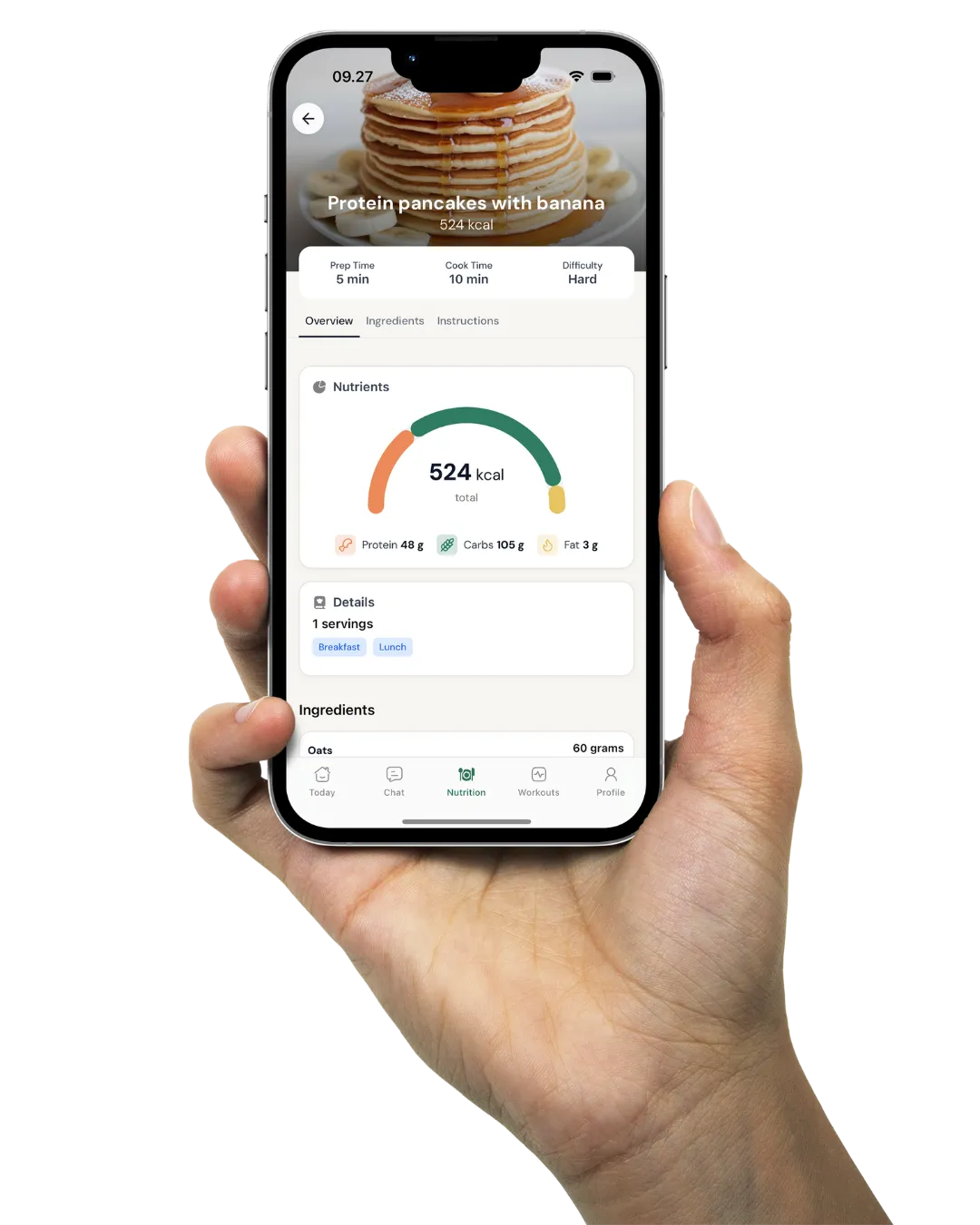
The delivery side is where a platform earns its keep. On Coachway, each tier maps to concrete deliverables: programs built once in the workout builder with video demos and per-set logging, check-ins and messaging in a client app carrying your logo and colours, and recurring package billing through your own Stripe account via payments - so a three-tier ladder does not mean three times the admin. Whatever platform you choose, the test is the same: can it deliver each tier's promise without you rebuilding it per client?

questions trainers ask

Frequently asked questions.

What should a personal training package include?

A personal training package should include an onboarding assessment, a structured training program, a defined check-in cadence, a clear communication channel with a stated response window, progress tracking, and a set duration with a renewal conversation built in. Add nutrition guidance if it serves the goal and sits within your scope. Include only what serves the outcome - a longer list of deliverables does not make a stronger package, it makes a vaguer one.

How many sessions should a package have?

Enough to reach a visible milestone, which is why in-person packs are commonly sold in blocks of around 10 sessions - at two to three sessions a week, that covers roughly a month of consistent training. For real transformations, 12 weeks or more is a more realistic horizon, which is exactly why many trainers move from counting sessions to monthly coaching, where the commitment is measured in months rather than bookings.

How do I price a 12-week package?

Price it as roughly three months of your monthly rate rather than inventing a separate number. At common online coaching rates of around $100-$300+ per month, a 12-week package lands somewhere around $300-$900+ in total, with premium high-touch programs above that. For in-person, multiply sessions per week by your session rate across the block. Offering the total in three monthly instalments lowers the barrier without lowering the price. Treat all of these as illustrative ranges, not a price list.

Should I offer unlimited coaching?

Usually no. Unlimited messaging or unlimited sessions sound generous but create a package you cannot deliver consistently: your most demanding clients absorb your week while everyone else quietly subsidises them. A defined cadence - weekly check-ins, replies within a stated window - is a better promise because you can keep it at 10 clients and at 60. If you want to sell high access, put it in a premium tier with clear boundaries and a price that reflects the time it really costs.

Are session packs or monthly coaching better?

For ongoing goals like fat loss or strength, monthly coaching is usually better for both sides: the client gets continuous structure instead of a countdown, and you get predictable recurring income instead of a re-sell moment every few weeks. Session packs still fit genuinely finite work - a technique block, a sport-specific skill phase - and hybrid packages combine the two for clients who want hands-on sessions plus daily structure.

Figures in this article are illustrative market benchmarks for general guidance, not guarantees or financial advice. Real personal training rates and package prices vary by country, market, experience, and format, and they change over time - research your own market and only sell a package you can confidently deliver on.

Once the structure is set, the number that goes on it is the other half of the job - our guide on how to price your online coaching packages covers value-based pricing, anchoring, and when to raise, step by step.

See what Coachway can do for your coaching business

Coachway was built after working with 150+ coaches who all had the same frustrations - slow platforms, clunky workflows, wasted hours. Start your 14-day free trial and see what we fixed - the whole platform, no charge today, cancel in 2 clicks.

Start 14-day free trial No charge today - cancel in 2 clicks
Built for efficiency 6 languages DenmarkNorwaySwedenFinlandGermanyUnited Kingdom
The coaching platform you've been waiting for