Skip to content
pricing · personal training

How much to charge for personal training.

Personal training rates vary far more than most trainers expect - by city, by experience, and most of all by whether you coach in person or online. This guide gives concrete benchmark ranges, then the math for setting a rate that actually pays you, and the signals that tell you when to raise it.

By Markus Evers · Updated June 2026

the short answer

As a general benchmark, in-person personal training sessions run roughly $40-$120 each, online coaching is usually priced monthly at around $100-$300+, and premium high-touch packages can reach $400-$1,000+ per month. Treat these as ranges, not fixed prices. The reliable rule is to price the outcome you deliver, not the hour, then test and adjust to demand.

Figures here are illustrative market benchmarks, not guarantees - actual rates vary by country, market, and trainer, and they change over time.

the benchmarks

Personal training rate benchmarks.

Use these as a starting reference, not a price list. Rates swing hard with location, experience, and format - the same hour of coaching is priced very differently on a London studio floor versus a remote online package. Treat the ranges below as the shape of the market, then position yourself within it.

Format Typical range What drives it
In-person 1:1 session roughly $40-$120 per session Varies widely by city, experience, and venue - studios and major metros sit higher; smaller markets lower.
Session package (10 sessions) often a small per-session discount vs single Packages trade a lower unit price for commitment and cash up front - the trainer wins on retention.
Online coaching (monthly) roughly $100-$300+ per month Programming plus check-ins and messaging - priced on the outcome and contact level, not the hour.
Premium / hybrid 1:1 can reach $400-$1,000+ per month High-touch coaching, frequent check-ins, nutrition, and a specific transformation justify the premium tier.

One pattern is worth naming early: in-person training is priced per session, but online coaching is almost always priced as a monthly package. That shift matters, because a monthly model frees you from selling time by the hour. For the bigger picture of what coaches actually take home across formats, see our breakdown of how much online fitness coaches make.

the format gap

Online vs in-person pricing.

The single biggest factor in what you can charge is not your certification - it is how you deliver. In-person 1:1 training can command a high per-session rate, but it is capped by the hours in your day and the geography of your city. The moment your calendar is full, you stop earning more.

Online coaching changes the equation in three ways:

  • No studio overhead. You are not paying for floor space or splitting revenue with a gym, which protects your margin.
  • No geography limit. Your client pool is anyone who fits your niche, anywhere - not just people who can drive to you.
  • Reusable programming. You build a program once and adapt it per client, so each new client costs far less of your time than the first.

That is why online coaching usually carries higher margins even at a lower headline price than a premium in-person session. You are not selling an hour; you are selling an outcome delivered through structure, check-ins, and accountability. Many coaches run a hybrid - a few premium in-person clients plus a larger online client base - to capture both. For how to structure those offers, our guide on how to set your pricing as an online coach goes deeper.

the math

How to actually set your rate.

Benchmarks tell you the market; they do not tell you your number. To find that, work the math in four steps rather than copying a competitor's price - or run your own figures through our free rate calculator to see the price your income target implies.

  1. 01

    Start from the income you need

    Work backwards from a target monthly income, not forwards from a guess at "what feels fair". If you want to earn a given amount and you can realistically hold a certain number of active clients at your contact level, the math sets a floor on your price. Most new coaches set their first price too low because they price the hour instead of the outcome.

  2. 02

    Add the true cost to deliver

    Your rate has to cover more than your time. Factor in software, insurance, certifications, tax, payment fees, no-shows, and the unpaid hours of programming and admin behind every paid one. A rate that only covers the visible session quietly loses money on everything around it.

  3. 03

    Price the result, then tier it

    Anchor the price to the transformation - a 12-week strength rebuild, fat loss with weekly check-ins - and build two or three tiers around it. A lighter entry tier, a core 1:1 tier, and a premium high-contact tier give a prospect an obvious place to start and a path to spend more.

  4. 04

    Test, then raise on proof

    Set a price, sell it to a few clients, and watch the signal. If almost everyone says yes instantly, you are priced too low. As your results, testimonials, and waitlist grow, raise the rate for new clients first - grandfather existing ones for a window so the change feels fair, not punitive.

The biggest mistake is anchoring to "what the gym down the road charges" instead of the result you deliver and the income you need. If you want the full pricing framework - tiers, packaging, and the numbers behind a sellable offer - our guide on how to price online coaching packages and how to build a clear online coaching offer walk through it step by step.

raising your rate

When to raise your prices.

Most trainers under-charge for far too long. The clearest signal to raise your rate is demand: if nearly everyone says yes the moment they hear your price, the price is too low. Watch for these triggers:

  • Your schedule is full and you are turning people away, or building a waitlist.
  • Your results, testimonials, and reputation have visibly improved since you last priced.
  • Almost no prospect ever pushes back on price - friction is healthy at the right number.
  • Your costs have risen, or you have added value like nutrition coaching or a branded app.

When you do raise prices, raise them for new clients first, and grandfather existing clients for a defined window so the change reads as fair rather than abrupt. A steady rhythm of small increases beats one large jump that shocks your book. Price objections will still happen at any rate - handling them calmly is a skill, and our guide on how to handle price objections in online coaching covers the scripts.

Raising prices also frees you to deliver more per client, which protects retention - the real engine of a coaching income. If your goal is a sustainable full-time business, see how the numbers add up in our guide on making a full-time living as an online fitness coach.

protect your margin

The tools that make your rate pay.

A good rate only holds if delivery does not eat your time. The online-first margin comes from building programming once, reusing it, and running everything from one place instead of a spreadsheet, a chat app, and a separate billing tool per client. A dedicated coaching platform is what keeps your hourly value high as your client list grows.

Build once, reuse

A workout builder with supersets, dropsets, AMRAP, warm-up sets, per-set logging, and a rest timer lets you write a program once and adapt it per client - so each new client costs far less of your time than the first.

A branded client app

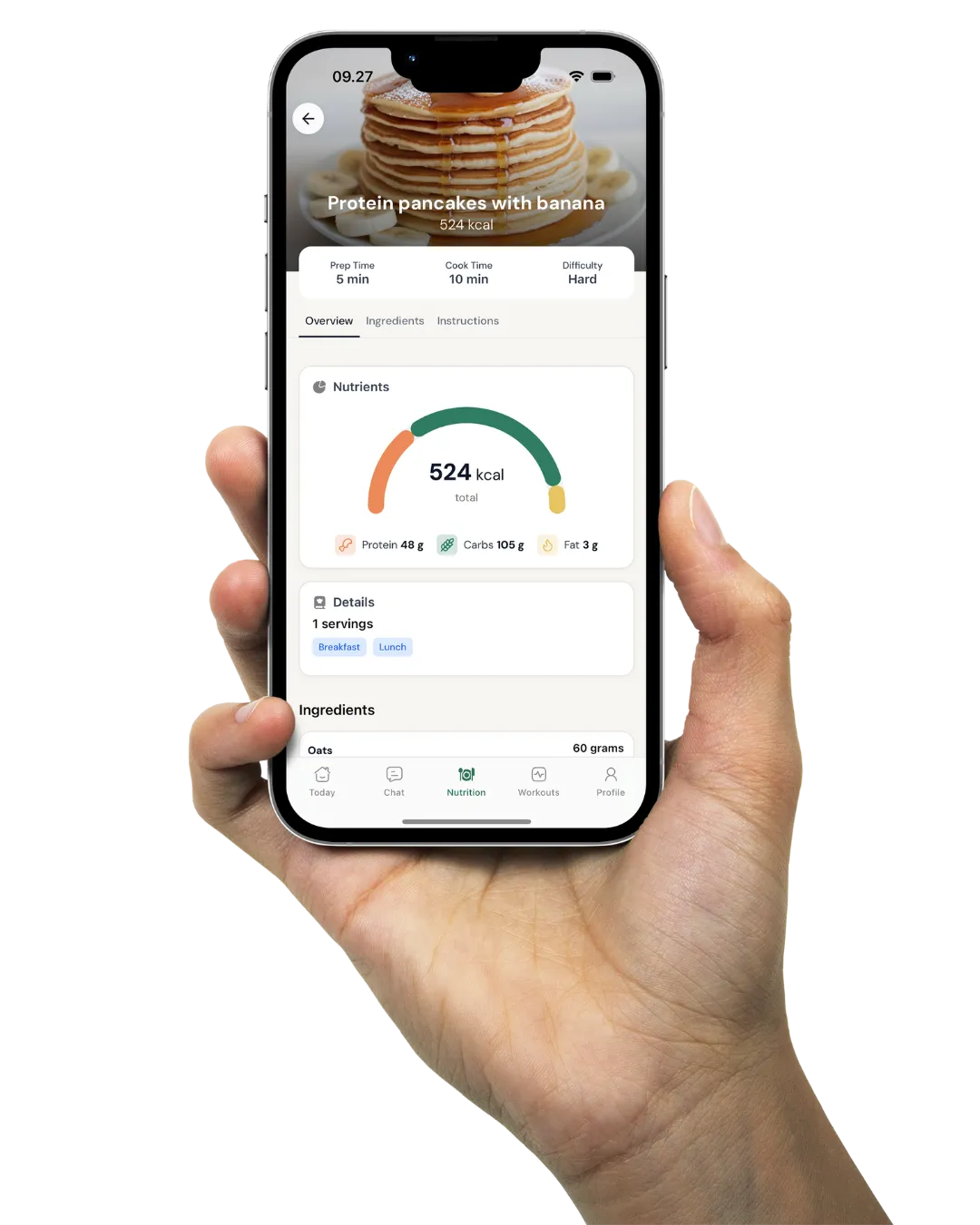
Clients follow plans, track progress, and message you in a client app carrying your logo, colors, and name. A fully white-labeled app under your own App Store and Play listing is available as a paid add-on if you want it.

Payments that are yours

Collect client payments through your own Stripe account on predictable per-client pricing, so the money flows to you as your practice grows.

Coachway is built as the operating system for online fitness and nutrition coaches running roughly 10 to 80 clients - the tier where protecting your margin per client matters most. Tool cost stays predictable as your list grows, with all features included, so a price increase flows mostly to your bottom line. See the current numbers on the pricing page rather than guessing.

questions trainers ask

Frequently asked questions.

How much should I charge for personal training?

As a general benchmark, in-person sessions run roughly $40-$120 each depending on city and experience, while online coaching typically sits around $100-$300+ per month, and premium high-touch packages can reach $400-$1,000+. These are ranges, not guarantees - your rate depends on your niche, results, and market. Price the outcome you deliver, then test and adjust on demand.

What are typical personal training prices per session?

Typical in-person personal training prices land roughly between $40 and $120 per session, with major metros, premium studios, and highly experienced trainers at the top of that range and smaller markets at the bottom. Buying a multi-session package usually lowers the per-session price in exchange for commitment. Online coaching is usually priced monthly rather than per session.

How much should I charge for online personal training?

Online personal training is usually priced as a monthly package, commonly around $100-$300+ per month, with premium high-contact coaching going higher. Because you deliver programming, check-ins, and messaging through an app rather than standing on a gym floor, you price the result and the level of contact, not the hour - which is what lets online coaching scale beyond an in-person calendar.

How do I calculate my personal training rate?

Work backwards from a target monthly income and the number of active clients you can realistically hold, which sets a floor on your price. Then add the true cost to deliver - software, insurance, tax, fees, and unpaid programming time - and price the outcome rather than the hour. Test the rate on a few clients and adjust if it sells too easily.

When should I raise my personal training prices?

Raise prices when demand is strong - clients say yes too quickly, you have a waitlist, or your results and testimonials have visibly improved. Increase the rate for new clients first and grandfather existing clients for a defined window so the change feels fair. Most coaches under-charge for too long; a steady schedule of small increases beats one large, abrupt jump.

Is online coaching more profitable than in-person training?

Online coaching often carries higher margins because you remove studio overhead and the one-client-at-a-time limit - you build programs once, reuse them, and coach clients in any location. In-person training can command a higher per-session price but is capped by the hours in your day. Many trainers run a hybrid: a few premium in-person clients plus a larger, more scalable online practice.

Figures in this article are illustrative market benchmarks for general guidance, not guarantees or financial advice. Real personal training rates vary by country, market, experience, and format, and they change over time - research your own market and set a price you can confidently deliver on.

Once your pricing is set, the platform you run it on protects your margin as you grow - our overview of the best online coaching platforms compares the options so you can choose the stack your business will run on.

See what Coachway can do for your coaching business

Coachway was built after working with 150+ coaches who all had the same frustrations - slow platforms, clunky workflows, wasted hours. Book a demo and see what we fixed. 15 minutes, and you'll know if it's the right fit.

Built for efficiency 6 languages DenmarkNorwaySwedenFinlandGermanyUnited Kingdom
The coaching platform you've been waiting for