Skip to content
nutrition · supplements

Protein powder: what to tell clients who ask.

Protein powder is one of the questions clients ask you most - and one of the easiest to over-sell. This guide is what to tell them: how to explain whey, casein, and plant blends in plain terms, when to say they do not need it, how much to advise, and where to steer the money so a simple food gap never becomes a supplement stack.

By Markus Evers · Updated June 2026

the short answer

Protein powder is a concentrated, convenient source of dietary protein - usually whey or casein from milk, or a plant blend such as pea, soy, or rice - mixed into a shake to help reach a daily protein target. It is not necessary: most clients can hit their target from whole food, and powder simply closes the gap when appetite or schedule get in the way.

This article is general nutrition information for coaches, not medical advice. Supplement needs, allergies, and interactions with medication vary by individual - refer clinical and medication questions to a doctor or registered dietitian.

the basics

What protein powder actually is.

Protein powder is dried, concentrated protein extracted from a food source - most often milk, but increasingly plants. Manufacturers filter the source down so a single scoop delivers 20 to 30 g of protein with relatively little fat or carbohydrate. That is the whole pitch: a fast, portable way to add protein without cooking, chewing, or planning a meal.

It helps to frame it for clients as a food, not a drug. A scoop of whey is closer to dried milk than to a performance compound. It does not build muscle on its own - training and a sufficient daily protein intake do that. Powder just makes the protein side easier to hit, which is why it lives under one of the three macronutrients your clients are already tracking.

The reason it gets so much attention is convenience, not magic. For a busy client who skips breakfast or eats lunch at a desk, a shake is the difference between hitting their protein target and falling short three days a week. That is genuinely useful - but it is a logistics tool, and worth presenting as one.

the types

Whey, casein, and plant blends.

Most powders fall into a handful of categories. The differences are real but small in practice - for muscle and recovery, total daily protein matters far more than which type a client picks. Use the table to match the powder to the person rather than to the marketing.

Type What it is When it fits
Whey concentrate The most common and affordable form - fast-digesting, complete protein with a good amino acid profile. Contains some lactose; usually fine for most clients but worth flagging for the lactose-sensitive.
Whey isolate More filtered than concentrate, so higher protein per scoop with very little lactose, fat, or carbs. Costs more per serving; a reasonable pick for lactose-sensitive clients or those tracking macros tightly.
Casein A slow-digesting dairy protein that releases amino acids over several hours. Often used before bed or in long gaps between meals; not better than whey, just slower.
Plant blends Pea, soy, rice, or blended plant proteins for vegan clients or those who avoid dairy. Blends tend to round out the amino acid profile better than a single plant source on its own.

The honest summary: whey concentrate is the sensible default for most clients, isolate is the upgrade for lactose-sensitive or macro-strict ones, casein is a niche tool for long gaps, and plant blends cover anyone avoiding dairy. None of them is a meaningfully better muscle-builder than the others when daily protein is matched. Spread protein across meals as a default, but as our guide to protein timing explains, the daily total still does most of the work.

food first

Is protein powder necessary? No.

The short answer most clients need to hear is that powder is optional. A client eating eggs, dairy, meat, fish, tofu, and legumes across the day can almost always reach a sound protein target from food alone. Powder is a convenience that closes a gap, not a requirement that unlocks results. Saying this plainly builds trust - it signals you are not upselling them a tub they do not need.

So who actually benefits? Clients with low appetite who struggle to eat enough, clients with chaotic schedules who miss meals, vegans who find plant protein harder to hit, and people who simply prefer a quick shake to another chicken breast. For those clients, powder is the practical difference between consistency and falling short - which is exactly when it earns its place.

The coaching move is to set the food foundation first, then add powder only where the gap is real. This is the same food-first logic you apply across the whole plan, whether the client is in a calorie surplus building muscle or a deficit losing fat. The supplement follows the diet, never the other way around.

step by step

How to handle protein powder with a client.

A simple, repeatable way to answer the "should I use protein powder?" question without overcomplicating it. Each step keeps the focus on the daily target and the individual client in front of you.

  1. 01

    Set the daily protein target first

    Before any powder, work out how much total protein the client needs across the day. A common range for active people aiming to build or keep muscle is roughly 1.6 to 2.2 g per kg of bodyweight, adjusted for the individual. Powder is one way to hit that number, not the number itself.

  2. 02

    Fill the gap with food first

    Look at what whole-food protein the client already eats - eggs, dairy, meat, fish, legumes, tofu. Most clients can hit their target from food alone. Reach for powder only to close the gap that food and schedule leave behind, not to replace meals wholesale.

  3. 03

    Pick a type that fits the client

    Whey concentrate suits most budgets and stomachs. Whey isolate helps the lactose-sensitive or macro-strict. Casein suits long gaps between meals. Plant blends cover vegan and dairy-free clients. Match the type to the person, not to whatever is trending.

  4. 04

    Slot it into convenient moments

    A shake works well post-workout, at breakfast, or whenever a real meal is not practical. Timing matters far less than hitting the daily total, so place the shake where it makes the client most consistent rather than chasing a magic window.

  5. 05

    Check the label and the claims

    Read protein per scoop, serving size, and any added sugar or fillers. Be cautious with blends that lean on creatine, caffeine, or other extras a client may not want. When a client has a medical condition or takes medication, refer the supplement question to a doctor or registered dietitian.

The first step does most of the heavy lifting: nail the daily protein target, and the rest becomes simple math. Our protein calculator gives clients a starting number to work toward, and once they know the target, powder is just one of several ways to reach it. Pair that with a flexible approach to the rest of the diet - the principles in flexible dieting apply directly, since a shake is simply another food that fits the budget.

coaching the nutrition side

Where protein advice fits in your coaching.

Protein powder is a small piece of a bigger habit: hitting a daily protein target consistently. The job of a coach is to make that target visible, set it correctly for each client, and keep them accountable to it - with or without a shake. That is the part a coaching platform should make effortless.

Set macro targets

Coachway lets you set per-client protein and macro targets, so a shake becomes just another way to fill a number the client can see - not a guess.

Plan meals around it

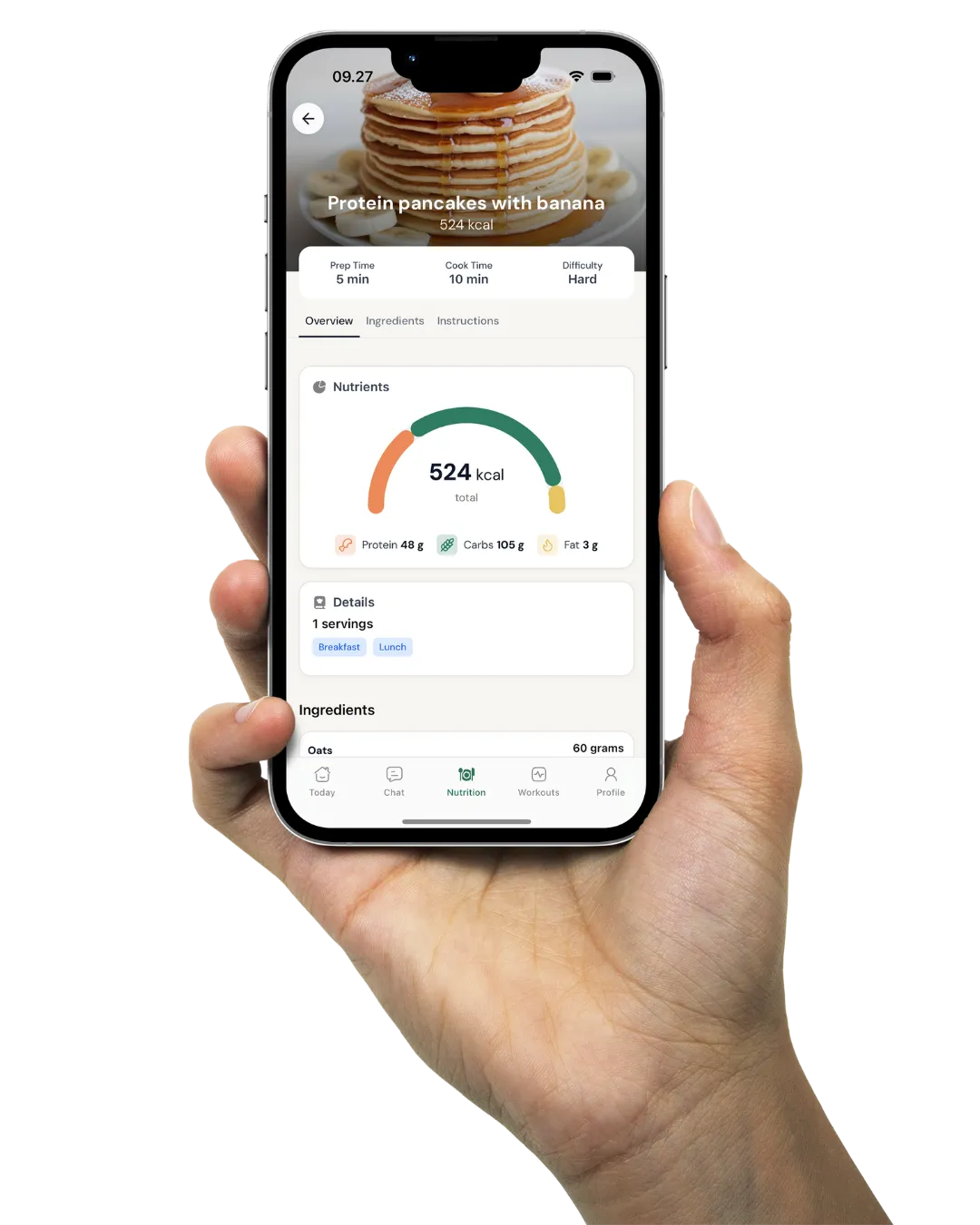
The native nutrition and meal planner with 1,100+ recipes builds the food-first foundation, so powder fills a real gap instead of replacing meals.

Track the habit

Habit and progress tracking inside a native branded client app keeps clients accountable to the daily target between check-ins, in their own language.

Coachway is built as the operating system for online fitness and nutrition coaches, with native nutrition, meal planning, macro targets, and habit and progress tracking in one branded app. Pricing is EUR 69/mo for up to 5 clients, then EUR 9 per additional active client, with all features included. See the full breakdown on the pricing page. One honest note on scope: supplements like protein powder are general nutrition education, and any client question that touches a medical condition, allergy, or medication interaction belongs with a doctor or registered dietitian - hold that line and your coaching stays both safe and credible.

questions coaches hear

Frequently asked questions.

What is protein powder?

Protein powder is a concentrated, convenient source of dietary protein - usually whey or casein from milk, or a plant blend like pea, soy, or rice. Mixed with water or milk into a shake, it helps people reach a daily protein target that food alone sometimes makes hard to hit. It is a food supplement, not a meal replacement or a substitute for a varied diet.

Is protein powder necessary?

No. Protein powder is not necessary - most clients can hit their protein target from whole foods like eggs, dairy, meat, fish, and legumes. It is a convenience, not a requirement. Powder earns its place when a client struggles to reach their target from food because of appetite, schedule, or preference. As a coach, lead with food first and treat powder as a useful gap-filler.

What is the difference between whey and casein?

Whey and casein are both dairy proteins, but they digest at different speeds. Whey digests fast and is the common choice for a post-workout or anytime shake. Casein digests slowly, releasing amino acids over several hours, so some people use it before bed or in long gaps between meals. Neither is clearly superior for muscle - total daily protein matters far more than the type.

How much protein powder should I take per day?

There is no fixed amount of powder - it depends on how much protein your food already provides versus your daily target. Most people use one to two scoops a day, roughly 20 to 50 g of protein, to close the gap food leaves behind. Set the daily protein goal first, fill it with food, then use powder only for what remains. A protein calculator helps set the target.

When is the best time to take protein powder?

Timing matters less than most people think. A shake post-workout, at breakfast, or whenever a real meal is impractical all work well. The research is clear that hitting your total daily protein is what drives results, not catching a narrow window. Place the shake wherever it makes you most consistent. Spreading protein across the day is a sensible default, but the daily total comes first.

Can plant-based clients use protein powder?

Yes. Plant-based clients can use pea, soy, rice, or blended plant protein powders. Blends tend to round out the amino acid profile better than a single plant source, which is why many vegan products combine two or three. Soy is a complete protein on its own, and pea is close, just low in methionine, which is why blends pair it with rice. For clients with allergies or medical conditions, refer the specific choice to a registered dietitian.

This article is general nutrition information for coaches, not medical advice. Supplement needs, allergies, and interactions with medication vary by individual and change over time - verify the specifics for each client, and keep coaching within your scope of practice by referring clinical and medication questions to a doctor or registered dietitian.

Protein powder is one small supplement question inside a much bigger nutrition picture. If you want the next layer up, creatine is the other supplement clients ask about most - our guide on creatine for clients covers it the same evidence-honest way, and our overview of nutrition coaching online shows how to deliver all of it.

See what Coachway can do for your coaching business

Coachway was built after working with 150+ coaches who all had the same frustrations - slow platforms, clunky workflows, wasted hours. Book a demo and see what we fixed. 15 minutes, and you'll know if it's the right fit.

Built for efficiency 6 languages DenmarkNorwaySwedenFinlandGermanyUnited Kingdom
The coaching platform you've been waiting for