Skip to content
nutrition · supplements

Pre-workout: what to tell clients who ask.

Sooner or later a client asks if they should be taking a pre-workout - it is one of the most-marketed supplements in fitness, and one of the most over-promised. This guide gives you the honest answer to hand back: what is actually inside the tub, which ingredients have real evidence versus proprietary-blend filler, how to read a label, where to steer the money, and when to simply tell a client a coffee would do the same job for far less.

By Markus Evers · Updated June 2026

the short answer

A typical pre-workout mixes caffeine, citrulline, beta-alanine, and sometimes creatine, plus flavoring. The honest truth is that most of what a client feels is the caffeine - at roughly 3 to 6 mg per kg it reliably lifts focus and output, and a strong coffee delivers nearly the same thing. The other ingredients have weaker or slower-acting evidence, and many blends underdose them.

This article is general information for coaches, not medical or dietetic advice - individual needs vary, so any client with a health condition, high blood pressure, stimulant sensitivity, on medication, or pregnant should check with a doctor or registered dietitian before using a stimulant supplement.

the basics

What is actually in a pre-workout.

Pre-workout is not one thing - it is a mix, and the mix is where the marketing hides. A typical tub combines caffeine for energy and focus, citrulline for blood flow and training volume, beta-alanine for muscular endurance, and sometimes creatine, all wrapped in flavoring and filler. The label looks impressive because it lists a lot of names. The question that matters is how much of each is actually inside, and whether that amount does anything.

The ingredient doing nearly all of the work clients feel is caffeine. That sharp, ready-to-train lift is the stimulant, not the exotic-sounding extras. A single scoop can carry as much caffeine as two or three coffees, which is why the cheaper products and the premium ones often feel surprisingly similar - they are mostly delivering the same drug at the same dose.

Pre-workout sits in the same category as any other supplement - it works around training and food, never instead of them. If a client is still sorting out the fundamentals, our guide on what macros are is a far better first stop than any tub. And if the real interest is creatine, which sometimes rides along in these blends, our creatine for clients guide explains why it belongs as a daily habit, not a pre-session boost.

the evidence

What the research honestly shows.

Pre-workout is sold as a stack of synergistic boosters. The evidence tells a quieter story: one ingredient is genuinely effective, two are modest and often underdosed, and one is in the wrong product entirely. The table below is the honest summary you can give a client, ingredient by ingredient, so they know exactly what they are paying for.

Ingredient What the evidence shows The honest caveat
Caffeine The one ingredient doing most of the work - improves focus, perceived effort, and output at roughly 3 to 6 mg per kg of body weight. A strong coffee delivers the same thing. Most of the pre-workout effect is just this.
Citrulline (or citrulline malate) Some evidence for a small boost in training volume and reduced soreness at around 6 to 8 g. Effect is modest and inconsistent. Most blends underdose it well below the studied amount.
Beta-alanine May help muscular endurance in efforts lasting roughly one to four minutes, but only when taken daily for weeks. It does not work acutely - the pre-workout dose is mostly there for the tingles.
Creatine (when included) Well supported for strength and power, but it works by daily accumulation, not as a same-session boost. Putting it in a pre-workout is a marketing choice - timing it before a session adds nothing.
Proprietary blends A single "blend" total hides how much of each ingredient is actually inside. Usually a sign the effective ingredients are underdosed and the cheap filler is doing the bulk.

The short version for clients: take the caffeine away and most pre-workouts lose nearly all of their punch. The supporting ingredients can add a little when they are properly dosed and a client trains hard enough to notice, but they will never rescue poor sleep, low protein, or an inconsistent week. If a client is reaching for a scoop to fix the wrong problem, point them back to the fundamentals - dialing in protein with a hydration check and a solid eating plan usually moves the needle more than any pre-workout does.

how coaches handle it

Framing pre-workout with a client.

The product is mostly caffeine. The coaching is in how you say that - so a client spends money where it helps, reads a label correctly, watches their caffeine total, and knows where your advice ends and a doctor's begins. Five things to get right.

  1. 01

    Name the active ingredient honestly

    When a client raves about a pre-workout, the honest answer is usually: that is the caffeine. Telling a client straight that most of the kick comes from one stimulant takes the mystique out of it and saves them money. A client who understands what is working can make a real decision instead of buying a feeling.

  2. 02

    Ask whether coffee would do the same job

    For most clients chasing energy and focus before a session, a coffee or a simple caffeine dose does the same thing for a fraction of the cost. Pre-workout earns its place only when a client genuinely benefits from the extra ingredients or just prefers the ritual. If the goal is energy, the cheaper tool usually wins.

  3. 03

    Read the label, not the marketing

    Teach clients to check actual doses per ingredient, not the hype on the front. A proprietary blend that hides amounts is a red flag - it usually means the effective ingredients are underdosed and cheap filler makes up the rest. A transparent label with real doses is worth more than any flashy claim.

  4. 04

    Mind the caffeine total and timing

    A single scoop can carry as much caffeine as two or three coffees, which is a lot late in the day. Help clients add up their total daily caffeine, take it about 30 to 60 minutes before training, and avoid late-evening doses that wreck sleep. Sleep does more for results than any scoop, so protect it.

  5. 05

    Hold your scope of practice

    You can educate on general use, dose, and label-reading. You cannot medically clear a client. Anyone with heart concerns, high blood pressure, who is pregnant or breastfeeding, sensitive to stimulants, or on medications should check with a doctor or registered dietitian before using a stimulant pre-workout. That referral protects the client and you.

A pre-workout question is almost always a bigger question in disguise - a client wants more energy, better sessions, or faster progress, and reaches for the most-marketed answer. The honest answers are usually less glamorous: enough food, enough protein, and enough sleep. Our guides on protein timing and sleep and recovery cover the levers that actually move a client far more than any scoop can.

scope of practice

Where coaching ends and a doctor begins.

Pre-workout deserves extra care because it is a stimulant, and stimulants interact with hearts, blood pressure, and medications in ways food does not. As a coach you can educate on general use, sensible dosing, how to read a label, and the habit of keeping total caffeine in check - the same way you would explain hydration or protein. What you cannot do is medically clear a client to take a stimulant. Those are two different jobs.

Refer the question out the moment it turns medical. A client with heart concerns, high blood pressure, anyone sensitive to stimulants, on regular medications, or who is pregnant or breastfeeding should hear the same thing from you: that is a great question for your doctor or a registered dietitian before you start. Stimulant-and-medication interactions in particular are firmly outside a coach's lane, and a high-caffeine scoop is not a casual product for everyone.

Saying "that one is for your doctor" is not a weakness in your coaching - it is a sign of a coach who knows their scope, and clients trust that more, not less. The same honesty applies to every nutrition topic you cover, from macros to building a sustainable practice the right way, which our guide on nutrition coaching online walks through end to end.

delivering the nutrition side

Keeping the fundamentals front and center.

Pre-workout is a footnote next to the things that actually move a client - protein, calories, sleep, and consistency. The job of a coaching platform is to keep those fundamentals visible so a client never reaches for a stimulant to fix a problem that food, training, and rest would solve faster.

Macro targets and meals

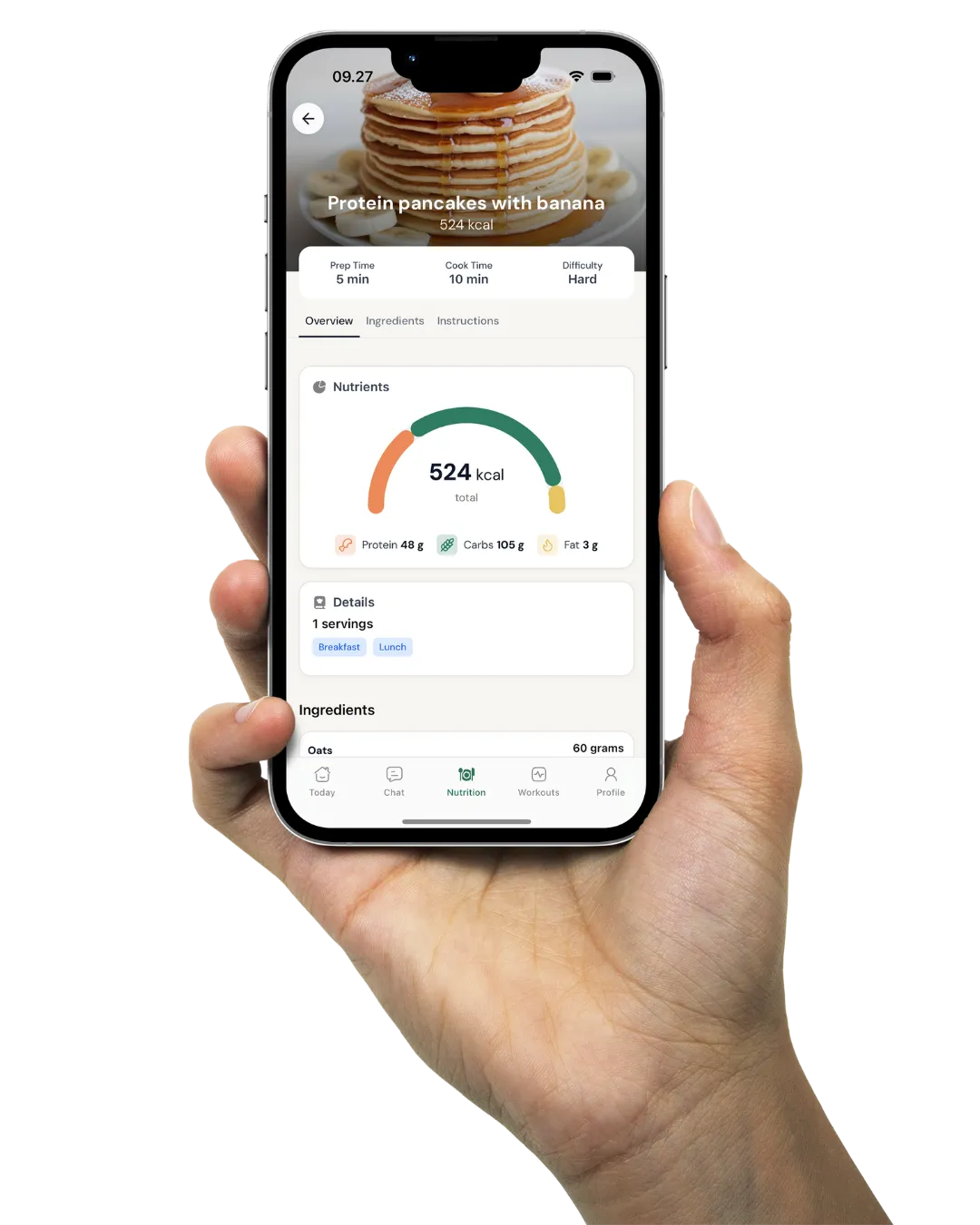
Coachway includes native nutrition with a meal planner, 1,100+ recipes, and clear macro targets, so a client can fuel their session with food before they ever think about a scoop.

Habit and progress tracking

Track habits and progress over time, so when a client wants more energy you can point to sleep and consistency in the data instead of selling them a supplement they may not need.

A branded client app

Clients follow their plan and message you in a native branded app, so the place they ask "should I take pre-workout?" feels like your business, not a generic portal.

The supplement conversation is easy when the fundamentals are handled. With macro targets, a meal planner, and habit tracking in one app, a client sees clearly that pre-workout is a small finishing touch at most, not the foundation. See how the nutrition side works on the meal planner page, and pair it with a quick macro calculator to set a starting point.

questions clients ask

Frequently asked questions.

What is actually in a pre-workout supplement?

A typical pre-workout combines caffeine for energy and focus, citrulline for blood flow and training volume, beta-alanine for muscular endurance, and sometimes creatine, along with flavoring and filler. Caffeine is the ingredient doing most of the work - a single scoop can carry as much as two or three coffees. The other ingredients have weaker or slower-acting evidence, and many blends underdose them below the amounts shown to help in research.

Does pre-workout actually work, or is it just caffeine?

Most of the noticeable effect is caffeine. At roughly 3 to 6 mg per kg of body weight it reliably improves focus, perceived effort, and output, and that is what clients feel. Citrulline and beta-alanine have some evidence but the effect is modest, and beta-alanine only helps when taken daily for weeks, not acutely. So for many clients a strong coffee delivers nearly the same benefit at a fraction of the cost.

Should a client take pre-workout or just drink coffee?

If the goal is energy and focus before a session, coffee or a simple caffeine dose usually does the same job far more cheaply. Pre-workout earns its place when a client genuinely benefits from the extra ingredients at proper doses, trains hard enough to notice them, or simply prefers the ritual and flavor. For most general clients chasing a lift in energy, coffee is the honest first recommendation.

How much caffeine is in a pre-workout, and is that safe?

Many pre-workouts carry 150 to 300 mg of caffeine per scoop, similar to two or three cups of coffee. For most healthy adults moderate caffeine is fine, but it adds up fast with other coffee or energy drinks across the day. Take it about 30 to 60 minutes before training and avoid late-evening doses that harm sleep. Anyone with heart concerns, high blood pressure, who is pregnant, or who is on medications should check with a doctor first.

What is a proprietary blend and why does it matter?

A proprietary blend lists a group of ingredients under one combined total instead of showing how much of each is inside. That hides whether the useful ingredients are dosed at researched amounts or just sprinkled in for the label. It is usually a sign the effective ingredients are underdosed and cheaper filler makes up the bulk. A transparent label that shows real amounts per ingredient is always the better choice.

When should a client take pre-workout?

Take it about 30 to 60 minutes before training so the caffeine has time to take effect. Beta-alanine works through daily accumulation rather than a single dose, and creatine if included works the same way, so their timing in a pre-workout does not matter much. The bigger rule is total caffeine and sleep: a late-day scoop can wreck the night, and sleep does more for results than any supplement.

This article is general information for coaches, not medical or dietetic advice. Individual needs vary, and stimulant-and-medication interactions can be serious - any client with a health condition, heart concerns, high blood pressure, stimulant sensitivity, on medications, or who is pregnant or breastfeeding should consult a doctor or registered dietitian before using a pre-workout. Coaches educate on habits and general nutrition and refer medical questions out.

Want the fundamentals that actually move a client? Start with the food: our guide on what macros are sets the foundation every supplement decision sits on top of.

See what Coachway can do for your coaching business

Coachway was built after working with 150+ coaches who all had the same frustrations - slow platforms, clunky workflows, wasted hours. Book a demo and see what we fixed. 15 minutes, and you'll know if it's the right fit.

Built for efficiency 6 languages DenmarkNorwaySwedenFinlandGermanyUnited Kingdom
The coaching platform you've been waiting for