NCI says chronic dieting is stalling your clients. Here's how to periodize their nutrition into planned phases instead.
Most struggling clients aren't under-dieting - they've been dieting too long, without a break, and results have quietly ground to a halt. The Nutritional Coaching Institute's answer is nutrition periodization: stop parking clients in a permanent deficit and cycle them through planned phases - deficit, maintenance, building - matched to where they are. This breakdown covers the framework in our own words, adds our take for a client roster, and turns it into a phase plan you can run.
By Markus Evers · September 2026 · a Coachway video breakdown
the short version
NCI's case is that keeping a client in one endless deficit stalls results - the body adapts, movement drops, hunger and diet fatigue wreck adherence - and the fix is to periodize nutrition into planned phases: a focused deficit, a deliberate maintenance to recover and hold, and a controlled building phase, cycled to the client's goal. The one thing a coach should do about it: stop treating fat loss as a single unbroken diet and plan the year in phases, switching a client out of the deficit on purpose - from the data - before chronic dieting does the deciding for you.
Nutritional Coaching Institute - Why Chronic Dieting Is Ruining Your Clients' Results | Nutrition Periodization Explained
Source: Nutritional Coaching Institute on YouTube - "Why Chronic Dieting Is Ruining Your Clients' Results | Nutrition Periodization Explained". Watch on YouTube. We embed the public video and summarise it in our own words; the video, title and channel belong to the Nutritional Coaching Institute, and nothing here implies their endorsement of Coachway.
Who is the Nutritional Coaching Institute, and why coaches watch
The Nutritional Coaching Institute (NCI) is a nutrition-coaching education company that trains and certifies working nutrition coaches, so its content is aimed squarely at the practitioner rather than the end consumer. That's what makes it useful here: instead of another take on which diet is best, NCI tends to talk about how to run a client over time - the strategy, the phases, the decisions a coach actually has to make. Nutrition periodization is one of its signature ideas, and it addresses the single most common failure pattern a coach inherits: a client who has been dieting for far too long and can't understand why the scale stopped moving. That practitioner-strategy lens is exactly what this page is written for.
What NCI actually argues (our summary)
This is our summary of the ideas in the video, in our own words - not a transcript. Watch the original for their exact framing and examples.
- 1
Chronic dieting stalls results. A long, unbroken deficit grinds progress down - the body adapts and daily movement drops - so the same calories stop producing the same loss.
- 2
It breaks clients psychologically too. Endless hunger, low energy, social friction and diet fatigue pile up until adherence cracks and the client rebounds - the diet fails on morale before physiology.
- 3
Periodize into planned phases. Cycle a focused deficit, a deliberate maintenance phase to recover and hold, and a controlled building phase - a deliberate sequence, not one permanent diet.
- 4
Maintenance and building are productive, not a pause. They restore metabolism and morale and protect the muscle that keeps a client lean - they earn the next cut rather than waste time.
- 5
Match the phase to the client. Where a client starts and how long they've already dieted decides which phase they need next - a fried, long-term dieter needs recovery before another deficit, not more restriction.
Coachway's take
We're on board, and the reason this matters so much for coaches is that most fat-loss clients arrive already over-dieted. They've been in some version of a deficit for months or years, blaming themselves for a stall that's actually the predictable result of chronic dieting. The periodized view reframes the whole job: your first move with a long-term dieter often isn't a better diet, it's a planned break - and having that as a deliberate phase, not a failure, changes how the client experiences the whole process.
One scope line to hold while you do this: chronic dieting, repeated rebound cycles and a strained relationship with food can be signs of disordered eating or a clinical issue - and those, like any medical red flag, are a referral to a physician or registered dietitian, not something to coach through with another phase. Nutrition periodization is a coaching tool for healthy clients; recognising when a client's pattern has moved beyond coaching is part of using it responsibly.
Where we'd sharpen it for a coaching business: the switch between phases is a decision you have to actively make and sell. Clients equate maintenance or building with "giving up," so a coach has to frame it as the productive, muscle-protecting, metabolism-restoring phase it is - and back that with the data. The failure mode isn't disagreeing with periodization; it's drifting, leaving a client in a deficit by inertia because nobody decided to change phase. Make the phase change a scheduled, evidenced call.
It's worth being clear about how this relates to the tactics a coach already knows. Nutrition periodization is the strategy - the map of phases across the year; the diet break, the refeed and the reverse diet are tools you use to run individual phases well. You don't choose between them; you use the strategy to set the phases and the tactics to execute them. Keeping that hierarchy straight stops "I gave them a diet break" from being mistaken for "I have a plan."
So our version of NCI's approach is: plan each client's nutrition as a sequence of phases rather than one endless cut, decide phase changes from the check-in data before chronic dieting forces your hand, and coach maintenance and building as productive work - using diet breaks, refeeds and reverse dieting as the tactics that run each phase.
See the stall coming, and switch the phase on the data
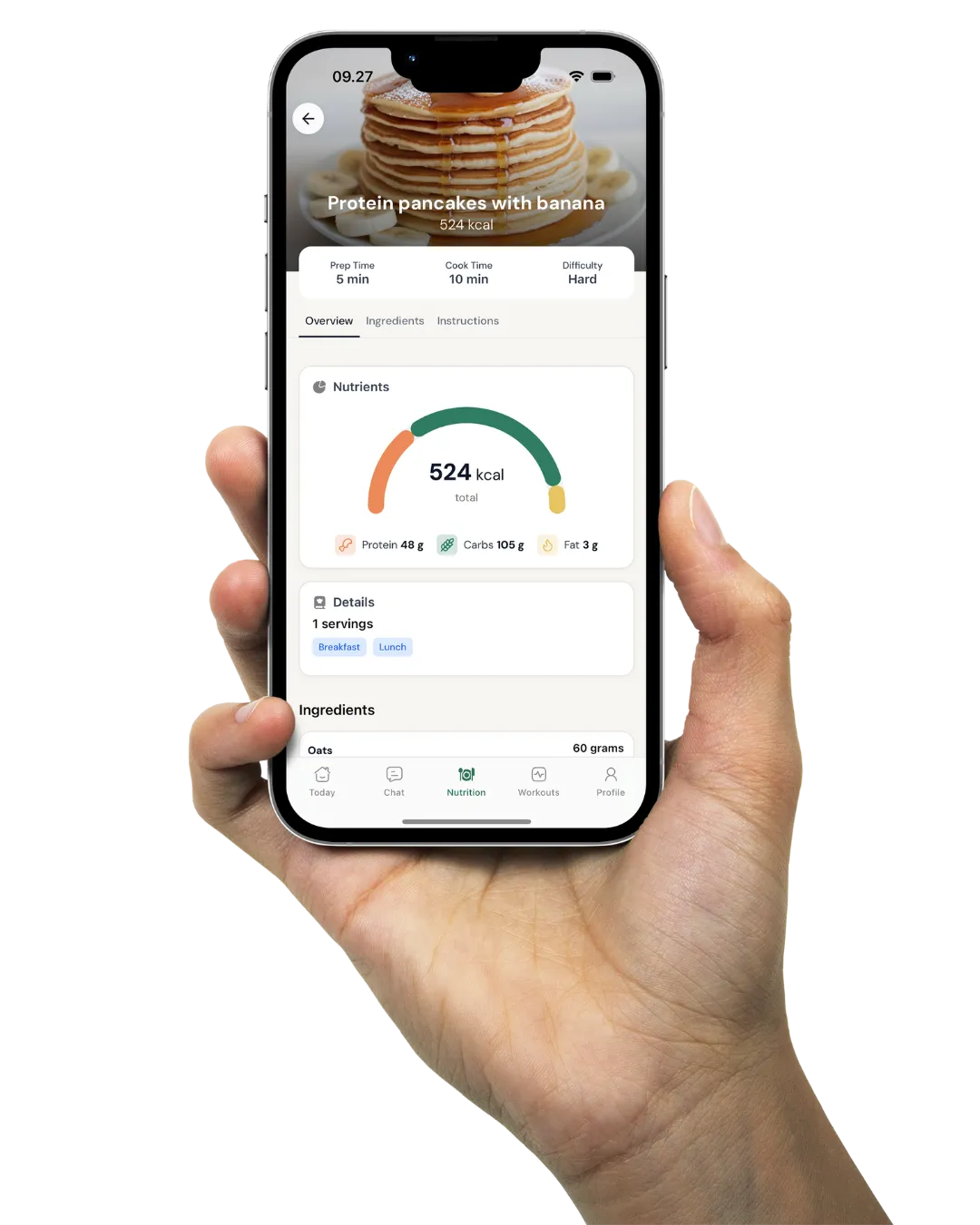
Periodizing nutrition only works if you can see when a phase has run its course - which is a job for your check-ins. In Coachway, progress and check-ins turn weeks of weight trend, strength, energy, sleep and adherence into charts, so the moment to move a client out of a deficit is an evidenced decision rather than a guess. When you switch phases, the meal planner lets you reset targets for the new phase - deficit, maintenance or building - without rebuilding from scratch, and the client sees the change in the same branded app, framed as the deliberate step it is.
For the tactics that run each phase, our companion breakdown on Holly Baxter on diet breaks and our guides on reverse dieting and metabolic adaptation and Eric Helms on the nutrition pyramid cover the tools inside the strategy. And to set the numbers each phase runs on, the calorie deficit calculator gives the deficit target and the reverse diet calculator walks a client back up to maintenance between phases.
The nutrition phase plan (map a client's year, not just their diet)
A template you can copy to plan a client's nutrition as a sequence of phases rather than one endless cut. Fill in the details for your client; the phase logic and the exit triggers are the transferable part. Durations are illustrative defaults you individualise, not figures from the video.
Nutrition phase plan
| Phase | Job | Move on when... |
|---|---|---|
| Deficit | Lose fat at a sustainable rate | Progress stalls ~2 wks, or adherence frays |
| Maintenance | Recover metabolism and morale, hold the result | Energy, adherence and hunger are back to baseline |
| Building | Add muscle / capacity that makes the next cut better | Client is ready and motivated to lean down again |
| Within a phase | Run it well with tactics | Use diet breaks / refeeds / reverse dieting as needed |
| Start point | Where the client actually is decides phase one | A long-term dieter starts in maintenance, not a cut |
How to use it: pick the client's first phase from where they are (a fried long-term dieter recovers before cutting), give each phase a clear job, and switch on the exit trigger from your check-in data - not the calendar. Run each phase with the right tactics, and treat maintenance and building as productive, not a pause. And keep scope in view: if the dieting history, rebound cycles or relationship with food point to disordered eating or a medical issue, refer to a physician or registered dietitian rather than prescribing another phase.
NUTRITION PHASE PLAN (via Coachway) - plan a client's nutrition as a sequence of phases, not one endless cut

- DEFICIT       -> lose fat at a sustainable rate                  | move on when: progress stalls ~2 weeks or adherence frays
- MAINTENANCE   -> recover metabolism and morale, hold the result | move on when: energy, adherence and hunger are back to baseline
- BUILDING      -> add muscle / capacity for a better next cut     | move on when: client is ready and motivated to lean down again
- WITHIN A PHASE-> run it well with tactics                        | use diet breaks / refeeds / reverse dieting as needed
- START POINT   -> where the client is decides phase one           | a long-term dieter starts in MAINTENANCE, not a cut

HOW TO USE: Pick the client's first phase from where they are (a fried long-term dieter recovers before cutting), give each phase a clear job, and switch on the exit trigger from your check-in DATA, not the calendar. Nutrition periodization is the STRATEGY; diet breaks, refeeds and reverse dieting are the TACTICS that run each phase. Durations are defaults to individualise, not figures from the video.
SCOPE: chronic dieting, rebound cycles, or a strained relationship with food can signal disordered eating or a clinical issue - refer to a physician or registered dietitian; do not coach through it with another phase.
Nutrition periodization for clients - FAQ
What is nutrition periodization, in coaching terms?
Nutrition periodization is planning a client's calories and focus in phases across the year instead of parking them in one permanent diet. A typical arc moves through a focused deficit to lose fat, a deliberate maintenance phase to recover and hold the result, and a controlled building phase to add muscle or capacity - then repeats, matched to the client's goal and where they actually are. It's the nutrition equivalent of periodizing training: you don't push hard forever, you cycle stress and recovery. For a coach, it turns 'keep dieting until it works' into a deliberate sequence with a plan for each phase.
Why is keeping a client in a permanent deficit a problem?
Chronic dieting stalls results from both ends. Physiologically, a long, unbroken deficit tends to grind progress down as the body adapts and daily movement quietly drops, so the same calories stop producing the same loss. Psychologically, it's exhausting - hunger, low energy, social friction and diet fatigue pile up until adherence cracks and the client rebounds. Periodizing prevents both: planned maintenance and building phases restore metabolism and morale, protect the muscle that keeps them lean, and give the client a break they can see coming, so they stay in the game long enough to actually reach the goal.
How do I know when to switch a client to a new phase?
Read the data and the person, not the calendar alone. Move out of a deficit when progress has genuinely stalled for a couple of honest weeks, when adherence is fraying, or when the client has been dieting long enough that a planned break will do more good than pushing on. Move out of maintenance or building when the client is ready and motivated to cut again and the base you built is worth leaning down to show. Structured check-ins that track weight trends, strength, energy, sleep and adherence are what make these calls obvious rather than guesswork - the switch should be a decision you can point at, not a vibe.
Is periodizing nutrition just diet breaks by another name?
Diet breaks are one tool inside the bigger idea. A diet break is a short, planned return to maintenance within a fat-loss phase to relieve the physiological and mental load; nutrition periodization is the whole multi-phase strategy the diet break lives inside - the sequence of cut, maintenance and build across months, each with its own purpose. Think of the periodized plan as the map for the year and diet breaks as one of the stops on it. A coach uses both: the strategy to decide the phases, and the tactics - breaks, refeeds, reverse dieting - to run each one well.
More nutrition-coaching breakdowns
- · Holly Baxter on diet breaks - the tactic that runs a deficit phase without frying the client.
- · Eric Helms on the nutrition pyramid - the priority order inside any phase.
- · The full library: fitness creator coaching breakdowns.
Keep dialing in nutrition strategy
all guidesHolly Baxter on Diet Breaks: Maintenance Calories and Diet-Break Macros (Coach Breakdown)
Holly Baxter's dietitian approach to structured diet breaks, broken down for coaches: why planned maintenance phases protect adherence, how to estimate maintenance calories, and how to program diet breaks.
Read the guideReverse dieting and metabolic adaptation, explained for coaches (2026)
Reverse dieting and metabolic adaptation, explained for coaches: what really happens after a long diet, how to bring calories back up without runaway gain, and how to coach the psychology. General information, not medical advice.
Read the guideEric Helms's Nutrition Pyramid: Prioritise by Impact (Coach Breakdown)
Eric Helms's nutrition pyramid, broken down for coaches: why calories sit at the base, how the 'prioritise by impact' hierarchy works, and how to turn it into a diet audit you run on every client.
Read the guideFree tools for this: Strength Standards Calculator · Weekly Training Volume Calculator · Bench Press Calculator
Switch the phase on the data, not the calendar
Nutrition periodization only works if you can see when a phase has run its course. Coachway turns weeks of check-ins - weight trend, energy, adherence - into charts that make the phase switch an evidenced call, and lets you reset targets in the meal planner without starting over. Start your 14-day free trial and plan your first client's year in phases.