Skip to content
getting started · health coaching

How to start a health coaching business.

Starting a health coaching business is a practical build, not a leap of faith. You pick a niche, hold a clear scope of practice, sort the certification and insurance basics, package and price your offer, choose the tools to coach online, and go win your first clients. This guide walks through each step in the order that actually works.

By Markus Evers · Updated June 2026

the short answer

To start a health coaching business, pick a niche and the client you serve, get clear on your scope of practice - you coach habits and behavior change, you do not diagnose or treat - then earn a recognized certification, sort insurance and a client agreement, package and price one or two offers, choose a platform to deliver coaching online, and win your first clients through referrals, content, and discovery calls.

A note before you start: this article is general information, not legal, medical, financial, or psychological advice. Certification requirements, licensing rules, insurance, tax, and what a non-clinical coach is allowed to do vary by country and state, and they change over time. Always verify the current rules for where you practice and, where a client's needs are clinical, refer to a physician, registered dietitian, or licensed therapist.

start here, not with logos

Pick a niche before anything else.

The most common mistake new health coaches make is trying to coach everyone on everything. A niche is the opposite move: you choose one type of client and one cluster of problems, and you build the whole business around them. That might be sleep and energy for busy professionals, stress and habits for new parents, perimenopause and lifestyle change for women in their forties and fifties, or general behavior change for people managing a recent health scare with their doctor's blessing.

A narrow niche makes every later step easier. It tells you who to talk to, what to put in your content, what to call your offer, and what price the market will bear. It also helps you stand out in a crowded space, because a specific promise to a specific person always beats a generic promise to nobody in particular. You can broaden later; you almost never regret starting narrow.

Pick something you genuinely understand and care about - your own story, your background, or a group you naturally connect with. The niche you can speak about credibly is the one that converts, because clients hire the coach who clearly gets their situation, not the one with the longest list of services.

the line you hold

Nail your scope of practice.

This is the single most important habit a new health coach can build, and it protects your clients, your insurance, and your business. A health coach supports behavior change, habits, accountability, and general lifestyle. A health coach is not a clinician and does not diagnose, treat, or prescribe for disease. Here is the line, in plain terms.

Inside your lane

Coaching habits, accountability, and behavior change; supporting general sleep, stress, movement, and everyday nutrition for healthy clients; setting realistic lifestyle goals and helping people follow through on what they already know they should do.

Outside your lane

Diagnosing conditions, treating disease, prescribing therapeutic diets, or providing mental-health therapy. That is physician, registered dietitian, and licensed-therapist territory - refer, do not improvise, and never imply that a certificate makes you any of those things.

When to refer

Eating disorders, depression or anxiety, chronic disease, pregnancy, medication interactions, or anything that feels clinical. Have professionals you can point clients to, and put referral in writing in your client agreement.

The coaches who last treat referring out as a strength, not a failure. Keep your work educational and general, send anything clinical to the right professional every time, and your scope becomes a trust signal instead of a liability. For the full breakdown of where the lines sit, see scope of practice for online coaches.

credentials and cover

Sort certification, insurance, and the legal basics.

In many places you are not strictly required by law to hold a certification to coach general wellness, but most coaches earn one anyway - for credibility with clients, for access to professional liability insurance, and because a good program teaches you to stay inside your scope. There is no single "best" certification. In the US, NBHWC (the National Board for Health and Wellness Coaching) is the recognized accreditation standard, and NBHWC-approved programs let you sit its board exam. Widely held options outside that path include ACE Health Coach, NASM, Precision Nutrition, and IIN. The right one depends on your goals, budget, and the clients you want.

The table below describes the main categories neutrally, by who they tend to fit. Costs, accreditation, and recognition change over time, so treat this as a starting map and confirm current details with each body before you enroll. No program guarantees income or makes you a clinician.

Path Cost band (varies) Who it tends to fit
NBHWC-approved health coach programsMid to higherCoaches who want the recognized US board exam pathway and broad health-behavior credibility
Fitness-body health certs (ACE Health Coach, NASM)Lower to midTrainers and fitness pros adding health and lifestyle coaching to existing work
Nutrition-leaning certs (Precision Nutrition)MidCoaches whose niche centers on food habits and general, non-clinical nutrition
Holistic / lifestyle programs (IIN and similar)Lower to midCoaches who want a broad wellness foundation across habits and lifestyle

Cost bands are relative and illustrative, not quoted prices. Beyond the certificate, two things commonly come with charging money: professional liability insurance, and a written client agreement that spells out what coaching is, what it is not, and that anything clinical gets referred out. Register your business and handle tax the way your country requires - verify all of this locally, because it is not legal, insurance, or tax advice.

price the outcome

Set your packages and pricing.

Sell packages, not hours. Hourly billing caps your income at the clock and turns every renewal into a negotiation. A package wraps your method into a defined program - say, 12 weeks with an intake, a set number of check-ins, weekly accountability, and messaging support - at a single price tied to the result you help clients reach. That makes your income predictable and the discovery call far simpler, because the client is choosing a transformation, not buying time.

Keep your offer ladder short to begin with - one core program, maybe a lighter and a more intensive version. Resist the urge to build ten tiers; one clear yes is worth more than a menu nobody can decode. The right number depends on your niche, your results, and your market, so anchor the price to the outcome rather than copying someone else's rate card. As you gather proof and referrals, you raise prices with confidence rather than guesswork.

On the money side, decide how you take payment before you sell a single spot. Many online health coaches collect upfront or in monthly installments over the program length, using whatever processor is standard where they operate. Whatever you choose, make it simple for the client and clean for your bookkeeping - friction at checkout costs you sales you already earned.

step by step

The build, in order.

Here is the practical sequence, start to finish. Do them roughly in this order - the niche and scope decisions shape every choice that follows, and the tools you pick determine how smoothly you can actually run a caseload.

  1. 01

    Pick a niche and the client you serve

    Decide who you coach and on what - sleep and energy for busy professionals, stress and habits for new parents, or general lifestyle change for people in their fifties, for example. A narrow niche lets you write a clearer offer, price with confidence, and stand out instead of competing as a generalist.

  2. 02

    Define your scope and your referral list

    Before you take a paying client, write down what you will and will not do. Coaching habits, accountability, stress, and general behavior change sits inside a health coach's lane; diagnosing conditions, prescribing therapeutic diets, or treating disease does not. Line up a physician, dietitian, and therapist you can refer to, and put referral in your client agreement.

  3. 03

    Earn a recognized certification

    Pick a health coaching certification that fits your goals and budget, then study and pass it. In the US, NBHWC is the recognized accreditation standard; programs from ACE, NASM, Precision Nutrition, and IIN are also widely held. Requirements, costs, and recognition vary and change, so confirm the current details with the certifying body before you enroll.

  4. 04

    Package your offer and set pricing

    Turn your method into one or two packages - for example a 12-week program with a set number of check-ins - and price them, not your hours. A packaged price makes the discovery call simpler and your income predictable. Sort your client agreement and professional liability insurance before money changes hands.

  5. 05

    Choose the tools to deliver online

    Pick a coaching platform that handles intake forms, weekly check-ins, habit and goal tracking, and messaging in one place, delivered to clients through a branded app. The right software keeps your method consistent client to client and lets you run a full caseload online without drowning in spreadsheets and DMs.

  6. 06

    Get your first paying clients

    Use your existing network, helpful social content, and free value to start conversations, then run discovery calls that end in a packaged offer. Your first few clients become the testimonials and case studies that make every client after that easier to win.

launch checklist

What a health coaching business actually requires.

Use this as you plan your path from interested to in business. A certification is one item on a longer list - miss too many of these and the credential alone will not carry you to a full client base.

  • A defined niche, so your offer speaks to one type of client - stress, sleep, energy, weight, or a specific life stage - instead of trying to coach everyone on everything.
  • A clear grasp of your scope of practice, so you know exactly where lifestyle and habit coaching ends and clinical diagnosis or treatment begins.
  • A recognized health coaching certification, so clients can see you trained for the work and so you can qualify for insurance.
  • A packaged offer with set pricing, so a discovery call ends in a clear yes or no instead of an awkward negotiation over an hourly rate.
  • Professional liability insurance and a written client agreement, commonly expected once you charge money for coaching.
  • A referral relationship with a physician, registered dietitian, or therapist, so you have somewhere to send clients whose needs sit outside your scope.
  • A simple, repeatable coaching method - intake, goal setting, habit design, and weekly accountability - that you deliver the same way to every client.
  • A delivery platform with a branded client app, so the day-to-day coaching feels like your business rather than a pile of disconnected tools.
  • A way to get found - referrals, helpful content, and discovery calls - so the first few clients become the proof that wins the next ones.
the tooling

Choose the tools to deliver coaching online.

Online is where most new health coaches now build, because it removes the geography limit and lets you serve more clients without more travel. The honest trade-off is that online coaching demands more structure: without a weekly in-person session to anchor the relationship, your intake, check-ins, messaging, and progress tracking have to carry the accountability. That is exactly what a coaching platform is for - it runs intake forms, weekly check-ins, habit and goal tracking, and in-app chat in one client record, so an online client feels just as held as one sitting across the table.

You could stitch this together from a form tool, a spreadsheet, a scheduler, and DMs, and many coaches start there. It works until it doesn't - around the point where the admin eats the hours you meant to spend coaching. A dedicated platform replaces that pile of disconnected tools and delivers everything through a branded mobile app, so the day-to-day feels like your business rather than a generic third-party login. For a wider view of the category and what to look for, the breakdown in health coaching software walks through the features a health practice actually uses.

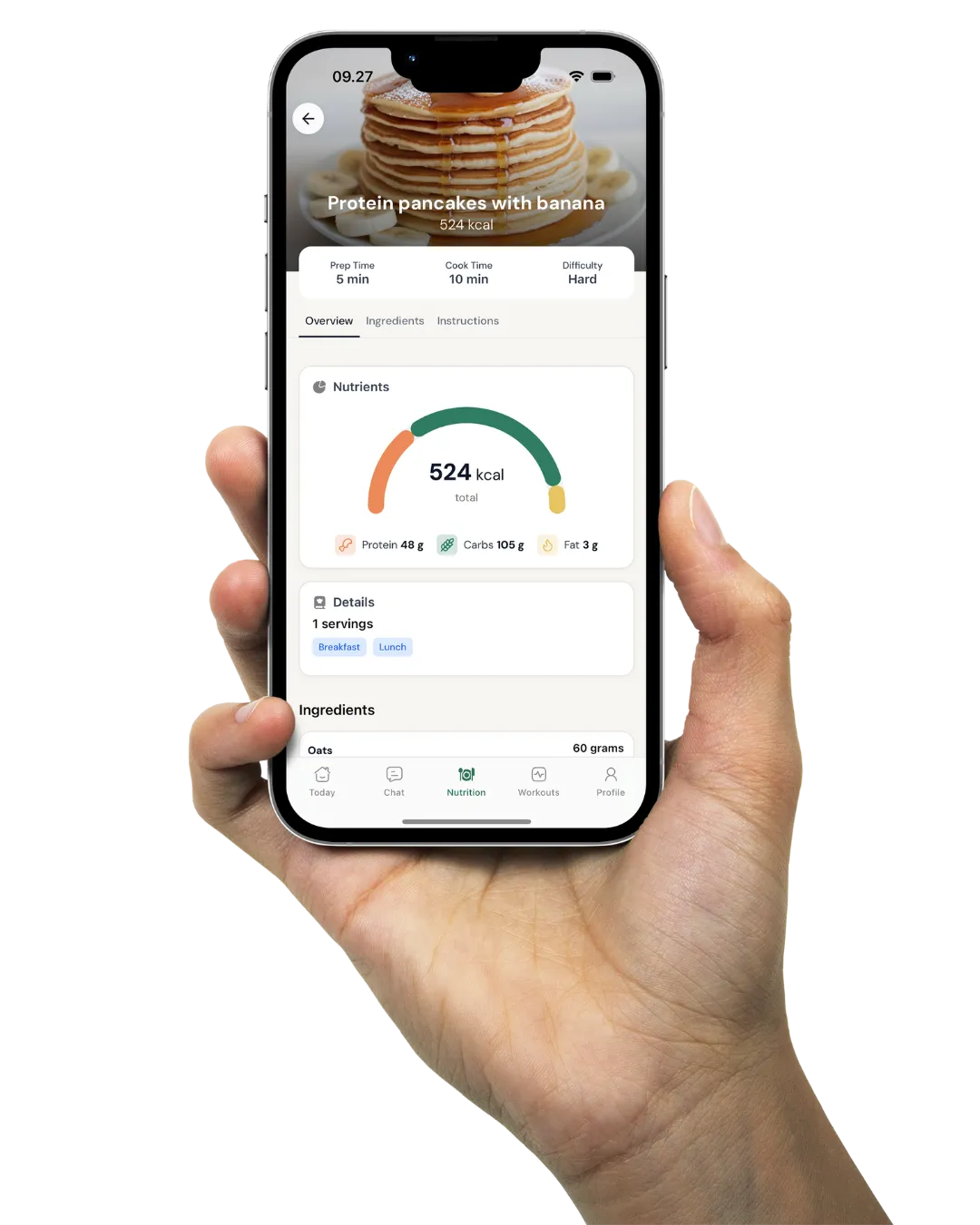
Coachway is built for online fitness, nutrition, and health coaches running roughly 10 to 80 clients, and a health practice fits the same shape: intake, weekly check-ins, habit and goal tracking, in-app chat with voice notes, and the Power Panel check-in review that lets you scan a week of client progress in one place. The native client app ships in the client's own language - English, Danish, Norwegian, Swedish, Finnish, or German - which matters if you coach across Europe. Pricing is predictable per client, all features included, and you keep your own Stripe so payments stay in your account. See the full breakdown on the pricing page. If your work leans toward food and habits, the steps in how to do nutrition coaching online map closely to this build.

the part that pays

Get your first clients.

A business plan and a polished offer do not pay the bills - clients do. The good news is your first ones almost always come from people who already trust you. Start with your existing network and audience, share genuinely helpful content in your niche, and offer real free value so conversations begin naturally. Then move those conversations to a discovery call that ends in a packaged offer, not a vague "let me know if you're interested."

Coach your first few clients exceptionally well and ask for honest feedback and a testimonial. Those early wins become the proof - the before-and-afters and the words from real people - that make every client after that easier to win. Most coaching businesses are built on this compounding loop, not on a single viral post. Be patient with the first handful and the next handful comes faster.

When you are ready to turn this into a repeatable system across channels, the playbook in how to get online coaching clients covers what actually works - and if your niche overlaps with nutrition, how to become a nutrition coach follows the same path with a food focus.

questions coaches ask

Frequently asked.

How do I start a health coaching business?

Start by picking a niche and the client you serve, then define your scope of practice and line up doctors and dietitians to refer to. Earn a recognized health coaching certification, package your method into priced offers, sort insurance and a client agreement, choose a platform to deliver coaching online, and win your first clients through referrals, content, and discovery calls.

Do I need a certification to start a health coaching business?

In many places you are not legally required to hold a certification to coach habits and general wellness, but a recognized one is commonly expected - for client credibility, for access to professional liability insurance, and for understanding your scope. In the US, NBHWC is the recognized accreditation standard. Rules vary by country and state, so check your local requirements. This is general information, not legal advice.

What is the scope of practice for a health coach?

A health coach supports behavior change, habits, accountability, and general lifestyle - sleep, stress, movement, and everyday nutrition for healthy clients. A health coach is not a clinician and does not diagnose, treat, or prescribe for disease. Anything clinical - eating disorders, depression, chronic disease, pregnancy, medication - belongs with a physician, registered dietitian, or licensed therapist. Referring out is best practice, not a failure.

How much should I charge as a health coach?

Price packages, not hours. Most online health coaches sell a multi-week program - often around 12 weeks - with a set number of check-ins and a single price, rather than billing per session. The right number depends on your niche, results, and market, so anchor it to the outcome you help clients reach. A packaged price also makes your income predictable and the discovery call far simpler.

What software do I need for an online health coaching business?

At minimum you want one place that handles intake forms, weekly check-ins, habit and goal tracking, and client messaging, delivered through a branded mobile app so the experience feels like your business. A dedicated coaching platform replaces the spreadsheet, the DMs, and the separate scheduling and payment tools, which keeps your method consistent as your client count grows.

How do I get my first health coaching clients?

Start with the people who already trust you - your existing network and audience - and offer real, free value through helpful content so conversations begin. Run discovery calls that end in a packaged offer rather than a vague invitation. Your first few clients, coached well, become the testimonials and case studies that make winning the next ones much easier.

This article is general information, not legal, medical, financial, or psychological advice. Certification requirements, licensing, insurance, tax, and scope of practice vary by country and state and change over time - verify the current rules for where you practice. When a client's needs are clinical, refer to a physician, registered dietitian, or licensed therapist.

Ready to build it? Pick the tools that fit in health coaching software, then win your first clients with how to get online coaching clients.

See what Coachway can do for your coaching business

Coachway was built after working with 150+ coaches who all had the same frustrations - slow platforms, clunky workflows, wasted hours. Book a demo and see what we fixed. 15 minutes, and you'll know if it's the right fit.

Built for efficiency 6 languages DenmarkNorwaySwedenFinlandGermanyUnited Kingdom
The coaching platform you've been waiting for