Skip to content
nutrition · methods

Flexible dieting (IIFYM), explained.

Flexible dieting - the approach behind "if it fits your macros" - lets clients hit daily protein, carb, and fat targets from foods they actually eat, instead of following a rigid meal plan. This guide covers what it is, how it works, where it beats and loses to a fixed plan, and how coaches use it to build adherence that lasts.

By Markus Evers · Updated June 2026

the short answer

Flexible dieting, often called IIFYM (if it fits your macros), is a nutrition approach where clients hit daily targets for protein, carbohydrates, and fat from any foods rather than following a fixed meal plan. No foods are banned - the priority is the daily macro and calorie total, built mostly from whole foods, with room for the occasional treat.

This article is general nutrition-coaching information, not medical or clinical nutrition advice. Coaches work on habits and targets - refer clients with medical conditions, eating-disorder history, or clinical needs to a registered dietitian or doctor.

the method

How flexible dieting actually works.

The mechanics are simple. You set a client's daily targets - a calorie number and a split of protein, carbs, and fat - then they build their meals to land near those numbers using whatever foods fit their life. A chicken bowl, a slice of birthday cake, a protein shake on a busy day: all are allowed as long as the day's totals are roughly on target. Setting those numbers is the first job, and our guide on how to calculate TDEE and macros for clients walks through it - or run the numbers fast with the macro calculator.

Protein and total calories do most of the work. Protein protects muscle and keeps clients full; total calories decide weight direction. Carbs and fat are then split to fit the client's preference and training. If macros are a new idea for a client, point them to the plain-language explainer on what macros are before you start tracking together.

One honest caveat: hitting macros from any food does not mean food quality is irrelevant. A day built mostly from low-nutrient foods technically fits the numbers but leaves clients short on fibre and micronutrients - and usually hungrier. Flexible dieting works best with a guardrail, not as a free-for-all.

the guardrail

Mostly whole foods, with room for treats.

The version of flexible dieting that actually keeps clients healthy follows a simple rule of thumb: build roughly 80 to 90 percent of intake from whole, minimally processed foods, and leave the rest for foods clients genuinely enjoy. That balance is what makes the approach both effective and liveable.

  • ·

    Hit protein first. Get the daily protein target most days - it drives muscle retention and satiety more than any other lever.

  • ·

    Base meals on whole foods. Lean proteins, vegetables, fruit, whole grains, and healthy fats cover fibre and micronutrients and keep hunger in check.

  • ·

    Leave room for the treat. The remaining 10 to 20 percent is what makes the plan last - a dessert that fits the day, or a planned glass of wine, removes the all-or-nothing trap. The same logic helps clients think through alcohol and fat loss without writing it off entirely.

  • ·

    Mind timing only at the margins. Spreading protein across the day helps a little, but there is no narrow "anabolic window" - total daily protein matters far more than the exact hour you eat. More on this in the protein timing explainer.

the comparison

Flexible dieting vs a rigid meal plan.

A fixed meal plan tells a client exactly what to eat at each meal. Flexible dieting gives them targets and lets them build the meals. Neither is universally right - the table shows where each one earns its place.

Factor Flexible dieting Rigid meal plan
Adherence No banned foods, so clients can fit their real life - dinners out, a treat, the family meal - and still hit targets. Works while willpower holds, but a single "off-plan" meal can feel like failure and trigger giving up.
Food choice Clients learn to build meals themselves around macro targets - a skill that lasts after coaching ends. Clients follow a fixed list with little decision-making, so the skill rarely transfers.
Nutrient quality Needs a guardrail - aim for mostly whole foods so fibre and micronutrients are not crowded out. Quality is controlled by the plan, but variety and enjoyment are often poor.
Best fit Clients who travel, eat out, or have struggled with restrictive diets and need a sustainable approach. Short, defined prep phases or clients who genuinely prefer not to make food decisions.

In practice many coaches blend the two. A client who feels lost gets more structure first - sample days, set portions - then loosens toward flexible targets as their confidence and food knowledge grow. Flexible dieting also pairs cleanly with periodised strategies like carb cycling or planned refeed days, because the targets simply shift day to day.

the coaching angle

Why coaches lean on it for adherence.

Results follow adherence, and adherence follows whatever the client can sustain. A restrictive plan can produce a fast change, but the moment real life intervenes - a holiday, a dinner out, a craving - the all-or-nothing framing makes one slip feel like total failure. Flexible dieting removes that cliff. Because nothing is forbidden, there is nothing to fall off of.

It is also a teaching tool. A client who learns to hit their own targets is building a skill they keep long after the program ends, rather than depending on you to hand them a new plan every block. That self-sufficiency is the difference between a client who regains the weight and one who holds the result. Setting an honest timeline up front helps too - dropping a steady amount each week into the goal weight date calculator gives the client a realistic date to aim for instead of an all-or-nothing deadline. A quick word on expectations too: blaming a stall on a "slow metabolism" is mostly overstated - intake usually drifts up before metabolism slows meaningfully. For the cases where adaptation is real, see reverse dieting and metabolic adaptation.

If you coach this online, the workflow matters as much as the method. Our guide on how to do nutrition coaching online covers setting targets, reviewing logs, and keeping clients accountable at a distance - and the right nutrition coaching software is what makes flexible dieting practical at scale rather than a spreadsheet chore.

running it in coachway

The tools that make flexible dieting practical.

Flexible dieting only works when targets, food, and progress live in one place a client will actually open. Coachway covers the nutrition side natively so you are not stitching a calculator, a food app, and a chat thread together per client.

Macro targets and meal planning

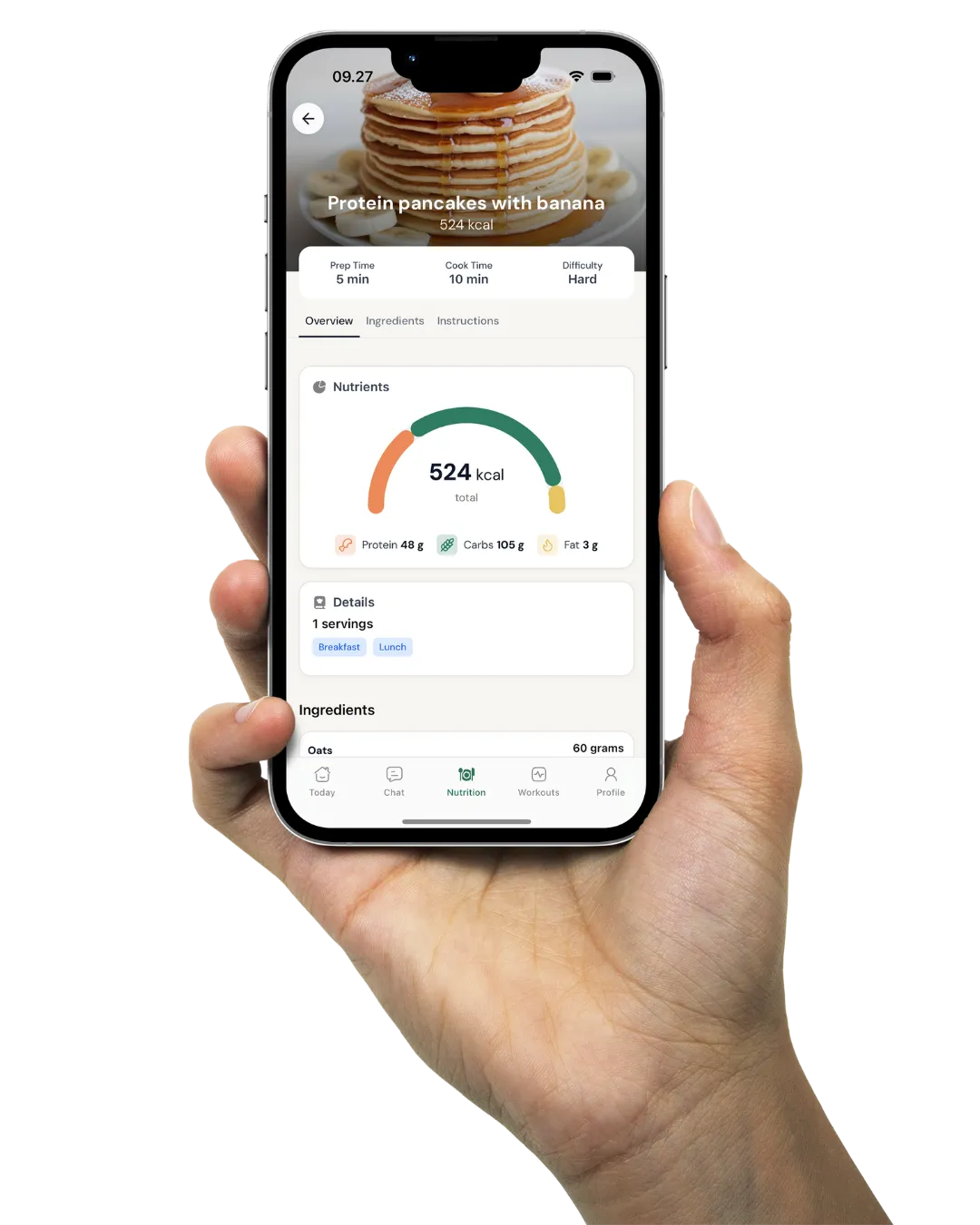
Set each client's protein, carb, and fat targets, then build flexible options with the native meal planner and 1,100+ recipes - structure when a client needs it, freedom when they do not.

Food and recipe logging

Clients log meals and recipes against their targets so you can see how the real week is landing - the data that turns "I think I ate well" into something you can coach.

Habit and progress tracking

Track habits, weight trends, and check-ins in the same branded client app, in the client's own language - so adherence is visible, not guessed at.

Coachway is built as the operating system for online fitness and nutrition coaches. Pricing is EUR 69/mo for up to 5 clients, then EUR 9 per additional active client, with all features included - so the cost of running nutrition and training in one place stays predictable as you grow. See the pricing page for the full breakdown, and reach for the macro calculator when you need a fast starting point for a client's targets.

questions coaches ask

Frequently asked questions.

What is flexible dieting?

Flexible dieting, often called IIFYM (if it fits your macros), is a nutrition approach where clients hit daily targets for protein, carbohydrates, and fat from any foods rather than following a fixed meal plan. There are no banned foods - the priority is the daily macro and calorie total, ideally built mostly from whole foods with room for the occasional treat.

What does IIFYM stand for?

IIFYM stands for "if it fits your macros." It is the popular name for flexible dieting. The idea is that as long as a food fits within a client's daily protein, carb, and fat targets, it can be eaten - no food is off-limits. In practice good coaches still steer clients toward mostly whole, nutrient-dense foods so the diet supports health, not just the numbers.

Is flexible dieting better than a meal plan?

Neither is universally better - it depends on the client. Flexible dieting usually wins on long-term adherence because clients can fit their real life and keep the skill after coaching. Rigid meal plans can suit short prep phases or clients who prefer not to make food decisions. Many coaches start clients on more structure and loosen toward flexible targets as confidence grows.

Can you eat junk food on flexible dieting?

You can fit a treat within your macros, which is part of why flexible dieting is sustainable. But a diet built mostly from low-nutrient foods will leave clients short on fibre, vitamins, and minerals and often hungrier. The practical rule most coaches use is roughly 80 to 90 percent whole foods, with the rest left for foods clients enjoy so the plan stays liveable.

Do you have to count macros for flexible dieting?

Tracking macros is the most precise way to do flexible dieting, especially early on, because it teaches clients what a portion really contains. But it is not the only way. Coaches can also use habit-based or hand-portion methods that approximate targets without weighing food. Counting is a tool for the goal - eating mostly whole foods to a calorie and protein target - not the goal itself.

Is flexible dieting good for weight loss?

Yes, when it produces a calorie deficit. Weight loss comes from eating fewer calories than you burn, and flexible dieting is simply a sustainable way to hold that deficit while keeping protein high to protect muscle. Because nothing is banned, clients are more likely to stick with it than a restrictive plan - and adherence is what actually drives results over weeks and months.

This article is general nutrition-coaching information, not medical or clinical nutrition advice. Coaches work on habits, targets, and behaviour - clients with medical conditions, a history of disordered eating, pregnancy, or other clinical needs should be referred to a registered dietitian or doctor.

When you are ready to run flexible dieting with clients, start with the targets - the online nutrition coach guide shows how to deliver it remotely, end to end.

See what Coachway can do for your coaching business

Coachway was built after working with 150+ coaches who all had the same frustrations - slow platforms, clunky workflows, wasted hours. Book a demo and see what we fixed. 15 minutes, and you'll know if it's the right fit.

Built for efficiency 6 languages DenmarkNorwaySwedenFinlandGermanyUnited Kingdom
The coaching platform you've been waiting for