Skip to content
nutrition · client habits

Eating out while dieting.

Eating out is not the enemy of a diet - poor structure around it is. This is the playbook coaches use to help clients enjoy a restaurant meal and keep their progress: check the menu first, lead with protein and veg, watch the liquid calories, estimate portions instead of chasing perfect numbers, and treat one meal as one meal.

By Markus Evers · Updated June 2026

the short answer

Eating out while dieting means enjoying a restaurant meal without derailing your results, by managing the meal rather than avoiding it. Check the menu and pre-decide, build the plate protein-first with vegetables, watch liquid calories and cooking fats, and estimate portions instead of chasing exact numbers. One meal does not decide your progress - the consistency around it does.

This article is general nutrition information for coaches and their clients, not medical advice. Medical conditions, medications, and clinical questions belong with a doctor or registered dietitian.

the mindset

Why eating out feels harder than it is.

For most clients, the problem with eating out is not the food - it is the all-or-nothing story they tell themselves about it. They treat a restaurant meal as "cheating", panic, and either avoid social plans entirely or write off the whole day and overeat. Both reactions do more damage to long-term adherence than the meal ever would.

Fat loss runs on your overall calorie balance across the week, not on any single plate. One slightly bigger meal sits inside a much larger picture, and the surrounding days carry far more weight than people assume. This is the core idea behind flexible dieting: foods are not "allowed" or "banned", they just have a calorie and macro cost you fit into your targets.

The job of a coach here is mostly to remove the guilt and replace it with a few repeatable habits. A client who can walk into any restaurant with a calm plan eats out more sensibly than one white-knuckling a rigid rulebook they will eventually break.

the strategies

Four moves that make eating out work.

None of these require a food scale at the table or a tense conversation with the waiter. They are simple, repeatable habits any client can use anywhere - the same principles behind sensible portions and protein targets, just applied to a menu you did not write.

The move What it looks like Why it works
Check the menu first Read the menu before you arrive and pick a likely option, so the choice is made calmly rather than under pressure at the table. Removes decision fatigue and the impulse to order the heaviest thing in front of you.
Lead with protein and veg Anchor the plate on a lean protein and a vegetable or salad, then add the rest around it. Protein and fibre drive fullness, so the meal satisfies on fewer total calories.
Watch the liquids and fats Cooking oils, butter, creamy sauces, and alcohol add calories fast without adding much fullness. These are the silent calories that quietly undo an otherwise sensible order.
Pre-log or eyeball it Estimate the meal in advance, or use a hand-portion rule, instead of chasing an exact number you cannot see. A reasonable estimate kept consistently beats a precise number you abandon out of stress.

Protein is the quiet hero in all of this, because it is the most filling macronutrient per calorie and helps preserve muscle in a deficit, especially with resistance training. If a client is unsure how much to aim for day to day, our guide to macros explains the targets, and the protein calculator gives a quick daily number to anchor the plate around.

the silent calories

Where restaurant meals quietly balloon.

Most clients order a reasonable main and still come in far higher than they expected. The gap almost always sits in things they did not really "decide" to eat: the oil and butter a kitchen cooks with, creamy sauces and dressings, bread baskets, and drinks. These add a lot of calories while adding very little fullness, which is the worst possible trade in a deficit.

Alcohol deserves its own mention. It carries roughly seven calories per gram, tends to come in multiples, and quietly loosens food decisions for the rest of the night. It does not have to be off the table, but it should be a conscious choice rather than an afterthought - our breakdown of alcohol and fat loss covers how to fit it in without stalling progress.

The fix is not to ban any of it. It is to spend the calories deliberately: sauces and dressings on the side, an honest count of drinks, and a quick choice between bread, dessert, or wine rather than all three on autopilot. That single habit is often the difference between a meal that fits and one that doubles.

step by step

The five-step playbook coaches teach.

This is the order coaches walk a client through, from the planning before the meal to the mindset after it. The goal is a script the client can run on autopilot, so eating out stops being a source of anxiety.

  1. 01

    Plan the day around the meal

    When a client knows they are eating out, the simplest move is to keep the rest of the day normal and protein-forward rather than starving all day to "save up". Skipping meals usually backfires into over-ordering at the table. A lighter lunch is fine; an empty tank is not.

  2. 02

    Check the menu and pre-decide

    Most restaurants post a menu online. Picking a likely option before arriving turns a high-pressure decision into a calm one, and it sidesteps the menu-reading hunger that pushes people toward the richest dish on the page.

  3. 03

    Build the plate protein-first

    Order a lean protein as the anchor - grilled chicken, fish, steak, eggs, tofu - then a vegetable or salad, then the carb and the extras. Protein and fibre do the heavy lifting on fullness, which is what keeps the meal satisfying without a second basket of bread.

  4. 04

    Manage the add-ons that hide calories

    Sauces on the side, dressings used sparingly, and an honest count of drinks make a real difference. Alcohol and creamy sauces are where restaurant meals balloon, so this is the highest-leverage place to be deliberate without feeling deprived.

  5. 05

    Log it, move on, no guilt

    Pre-log a sensible estimate or eyeball portions, enjoy the meal, and get back to normal at the next one. One restaurant meal does not decide a result. Consistency across the week does, and guilt is not a nutrient.

Step five is the one that matters most over a year of coaching: the no-guilt return to normal. This is the 80/20 mindset in practice - if most meals support the goal, the occasional restaurant meal is part of a sustainable plan, not a failure. The same principle underpins planning the rest of the week, which our guide on meal prep for clients covers in depth. For clients tracking a target, the calorie deficit calculator helps frame how much wiggle room a single meal really has against the whole week.

delivering this with clients

Turning the playbook into client habits.

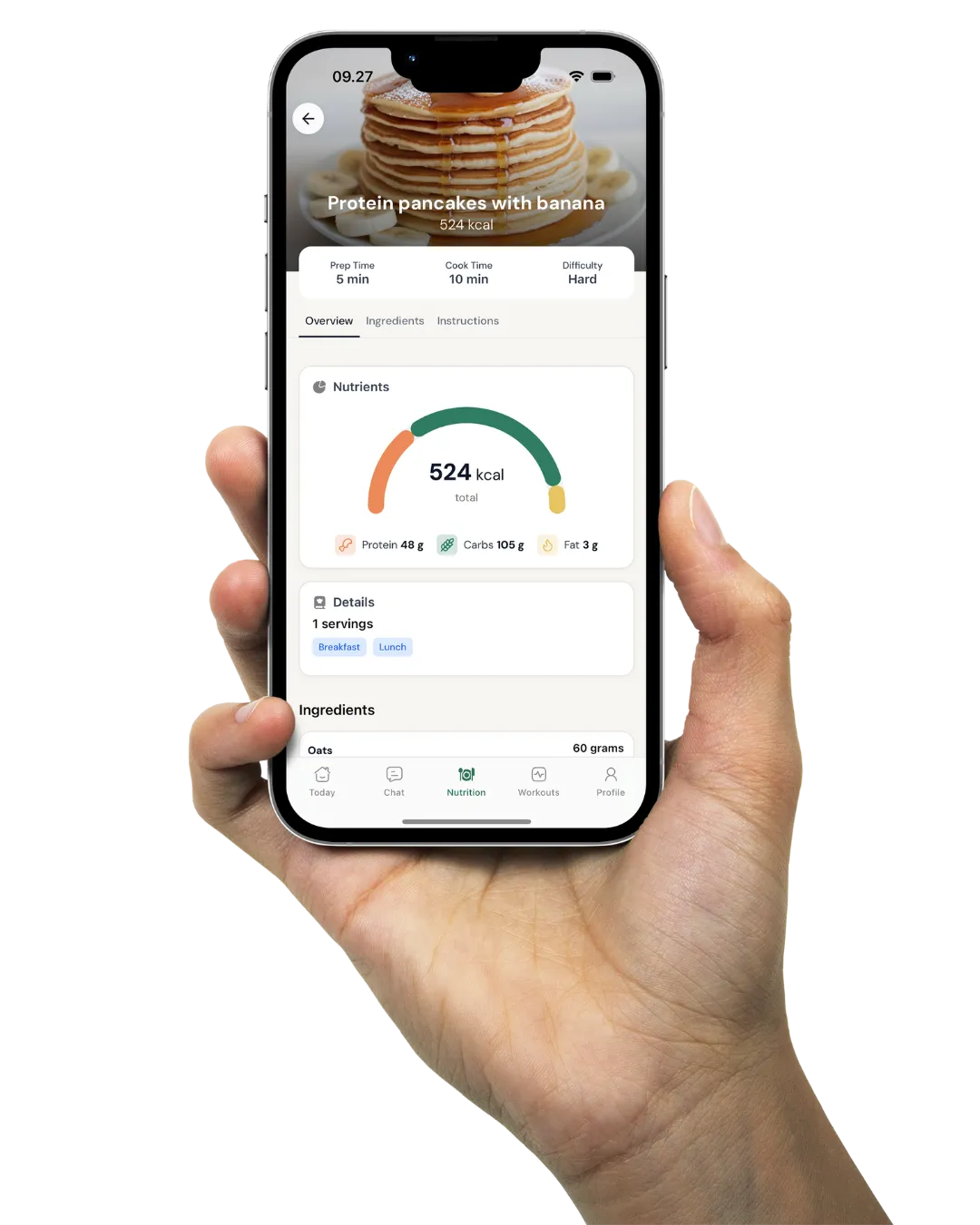
Teaching a client to eat out well is half education, half follow-through. The education is the principles above; the follow-through is what a coaching platform makes repeatable. Coachway gives coaches native nutrition, meal planning, macro targets, and habit and progress tracking inside a branded client app, so eating-out guidance lives next to the rest of the plan instead of in a separate text thread.

Macro targets that travel

Set protein and calorie targets a client can carry into any restaurant. With a clear daily number, "lead with protein and veg" becomes a concrete decision rather than vague advice - and the target stays visible in their app, not buried in a chat.

Meal planning for the week

Plan the surrounding days so an eating-out meal slots in cleanly. A meal planner with built-in recipes makes the protein-forward home meals easy, which is exactly what keeps the restaurant meal from feeling like a deviation.

Habit and progress tracking

Track the habits that matter - protein hit, steps, weekly check-ins - so one bigger meal is visibly a blip in a steady trend. Seeing the trend line is what dissolves the guilt cycle for most clients.

If you are building or refining a nutrition practice, our guide on how to do nutrition coaching online shows how habits like this fit into a full client system. One honest scope note: a coach can teach general nutrition habits and portion skills, but clinical questions, medication and supplement interactions, eating-disorder concerns, and diagnosed medical conditions belong with a doctor or registered dietitian. Holding that line protects both you and the client.

questions clients ask

Frequently asked questions.

How do you eat out while dieting?

Check the menu before you arrive and pre-decide, then build the plate protein-first with a vegetable or salad and watch the liquid calories and cooking fats. Keep the rest of the day normal and protein-forward rather than starving to save up. Pre-log a sensible estimate or eyeball portions with a hand rule, enjoy the meal, and return to your normal eating at the next one without guilt.

Can you still lose weight while eating out?

Yes. Weight loss depends on your overall calorie balance across the week, not on any single meal, so an occasional restaurant meal does not undo progress on its own. Lead with protein and vegetables, go easy on alcohol and creamy sauces, and keep the surrounding days consistent. A client who eats out often just needs estimating habits they can repeat rather than perfect tracking.

What should you order at a restaurant on a diet?

Pick a lean protein as the anchor - grilled chicken, fish, steak, eggs, or tofu - paired with a vegetable, salad, or simple starch. Ask for sauces and dressings on the side, favour grilled or baked over fried, and decide on drinks in advance. There is no banned dish; the goal is a satisfying plate that fits your day, not a joyless one.

Should you skip meals before eating out?

No. Skipping meals to "bank" calories usually backfires, because arriving very hungry leads to over-ordering and faster eating. A better approach is to keep the day normal and protein-forward, with a slightly lighter lunch if you like. Steady fuel through the day keeps appetite in check so the restaurant meal is a choice, not a rescue from hunger.

How do coaches help clients eat out without losing progress?

Coaches teach repeatable habits rather than rigid rules: check the menu first, lead with protein and veg, watch liquid calories, and estimate portions instead of chasing exact numbers. They frame it inside an 80/20 mindset so eating out feels normal, not like cheating. Clinical questions, medications, and medical conditions are referred to a doctor or registered dietitian.

This article is general nutrition information for coaches and their clients, not medical or dietetic advice. Individual needs vary, and medical conditions, medications, supplement interactions, and disordered-eating concerns should be referred to a doctor or registered dietitian - keep coaching within your scope of practice.

Eating out is one piece of a wider nutrition system. To see how habits like this fit alongside macros, meal planning, and progress tracking, read our overview of how to do nutrition coaching online.

See what Coachway can do for your coaching business

Coachway was built after working with 150+ coaches who all had the same frustrations - slow platforms, clunky workflows, wasted hours. Book a demo and see what we fixed. 15 minutes, and you'll know if it's the right fit.

Built for efficiency 6 languages DenmarkNorwaySwedenFinlandGermanyUnited Kingdom
The coaching platform you've been waiting for