Skip to content
nutrition · definitions

What is carb cycling?

Carb cycling alternates higher and lower carbohydrate days across the week, usually putting the higher days around harder training. It is a way to distribute calories and carbohydrate, not a metabolic shortcut - the weekly totals still decide the outcome. This guide covers what it is, how to structure it, who it suits, and where the evidence actually lands.

By Markus Evers · Updated June 2026

the short answer

Carb cycling is a nutrition approach where carbohydrate intake is varied across the week - higher on hard training days, lower on rest or easy days - while protein stays steady. It is a tool for fueling training and supporting adherence, not a metabolic trick. Weekly calorie and macro totals still decide the result.

This article is general information for coaches, not medical or clinical nutrition advice. Coaches can guide nutrition habits and targets; refer any client with a medical condition, a history of disordered eating, or a clinical need to a registered dietitian or doctor.

the definition

What carb cycling actually is.

Carb cycling means deliberately rotating between higher-carbohydrate and lower-carbohydrate days through the week. The idea is simple: give a client more carbohydrate when the training is demanding, and less when it is light or absent. Protein holds steady across every day; carbohydrate does most of the moving, with fat often shifting up on the lower-carb days to keep calories where you want them.

The key word is distribution. Carb cycling does not invent extra calories or remove them - it rearranges the same weekly budget into a pattern. If you understand how calorie and macro targets are set for clients, carb cycling is just a way of spreading the carbohydrate portion of that target unevenly instead of evenly.

That framing matters because it sets honest expectations. Carb cycling is a structuring choice, not a separate diet with its own special results. The benefit, when there is one, comes from better training fuel and easier adherence - not from the cycling doing something a matched, consistent plan could not.

the structure

How to structure a carb cycling plan.

The cleanest way to build a carb cycle is to set the weekly numbers first, anchor the carbohydrate to training, and let the days average out to plan. Most setups use three rough day types.

Day type When to use it Why
High-carb day Hard training days - heavy lifting, intervals, long sessions. More carbohydrate fuels demanding work and tops up muscle glycogen.
Moderate-carb day Lighter training or accessory days. Enough carbohydrate to support the work without a full top-up.
Low-carb day Rest days or low-activity days. Lower carbohydrate, with the calories often made up by fat and steady protein.
  1. 01

    Set the weekly target first

    Carb cycling is a way of distributing calories and carbohydrate across the week, not a way of changing the weekly total. Start by setting maintenance, a deficit, or a surplus and a protein target, then decide how to spread the carbohydrate. If the weekly numbers are wrong, no day-to-day pattern fixes them.

  2. 02

    Anchor carbs to training

    Put the higher-carb days on the hardest training days and the lower-carb days on rest or easy days. This is the most defensible version of carb cycling - matching fuel roughly to the demand of the session - rather than an arbitrary high-low-high rotation.

  3. 03

    Keep protein steady every day

    Protein stays roughly constant across high, moderate, and low days. It is the macro that protects muscle in a deficit and drives the strongest satiety, so it should not swing with the carbohydrate. Only carbohydrate and, to a lesser extent, fat move from day to day.

  4. 04

    Let the weekly average land where you planned

    Add the days up and confirm the weekly average matches the target you set in step one. A common version is two or three higher days, a couple of moderate days, and two lower days - but the exact split matters far less than the weekly average and consistent adherence.

If you want a starting point for the weekly numbers before you split them into days, run the figures through our macro calculator, then decide how to distribute the carbohydrate across the days. The calculator gives you the target; carb cycling is one way to deliver it.

the honest part

What the evidence actually says.

This is where carb cycling needs an honest framing, because it is often sold as a fat-loss accelerator. When researchers compare diets matched for total calories and protein, the day-to-day distribution of carbohydrate does not meaningfully change fat loss. The body does not reward the high-low pattern with extra results - it responds to the weekly energy balance and protein intake. The cycling rearranges the budget; it does not beat it.

A couple of common claims deserve to be retired. The idea of a narrow post-workout "anabolic window" where carbs and protein must be slammed within an hour is largely a myth - total daily protein and total daily intake matter far more than precise timing for most clients. And the notion that uneven carbs will "fix a slow metabolism" overstates the case: genuine metabolic slowdown from dieting is real but modest, and it is usually overstated by both clients and marketing. If you coach through a long fat-loss phase, the more useful concept is the gradual one covered in our guide to reverse dieting and metabolic adaptation, not a weekly carb swing.

So where is the real value? Two honest places. First, training fuel - putting more carbohydrate around hard sessions can help some clients feel and perform better, even if it does not change weekly fat loss. Second, adherence - a structure that lets someone eat more on their toughest days and less on quiet ones can make a deficit easier to hold. Both are legitimate. Neither is magic.

fit check

Who carb cycling suits - and who it does not.

Carb cycling is a tool, not a default. It earns its place for some clients and adds needless friction for others.

Good fit

  • Clients whose training demand varies clearly across the week.
  • People who like structure and are comfortable tracking.
  • Athletes or lifters who feel better fueling hard sessions with more carbohydrate.
  • Clients who find a deficit easier to hold when high days break up the week.

Poor fit

  • Clients who find tracking stressful or are new to nutrition basics.
  • Unpredictable schedules where day types cannot be planned reliably.
  • Anyone with a history of disordered eating - keep it simple and refer out.
  • People who do best with one consistent daily target, which is most beginners.

For most clients, a single steady daily target is simpler and works just as well. If you coach nutrition remotely, the broader habits-and-targets approach in our guide to nutrition coaching online will carry more clients further than any clever carb pattern.

running it as a coach

Delivering carb cycling to clients.

If a client genuinely fits, the job is to make the day types clear, easy to follow, and easy to track - so the structure helps adherence instead of becoming a source of stress. A coaching platform makes that practical.

Day-specific macro targets

Set distinct macro targets and meal plans for high, moderate, and low days so the client sees exactly what each day looks like rather than guessing.

Food and recipe logging

Clients log food and recipes against the day's target, so you can see whether the high days and low days are actually landing where you planned the weekly average.

Habit and progress tracking

Pair the cycle with habit and progress tracking in a branded client app, so the conversation stays on consistency and outcomes, not the pattern for its own sake.

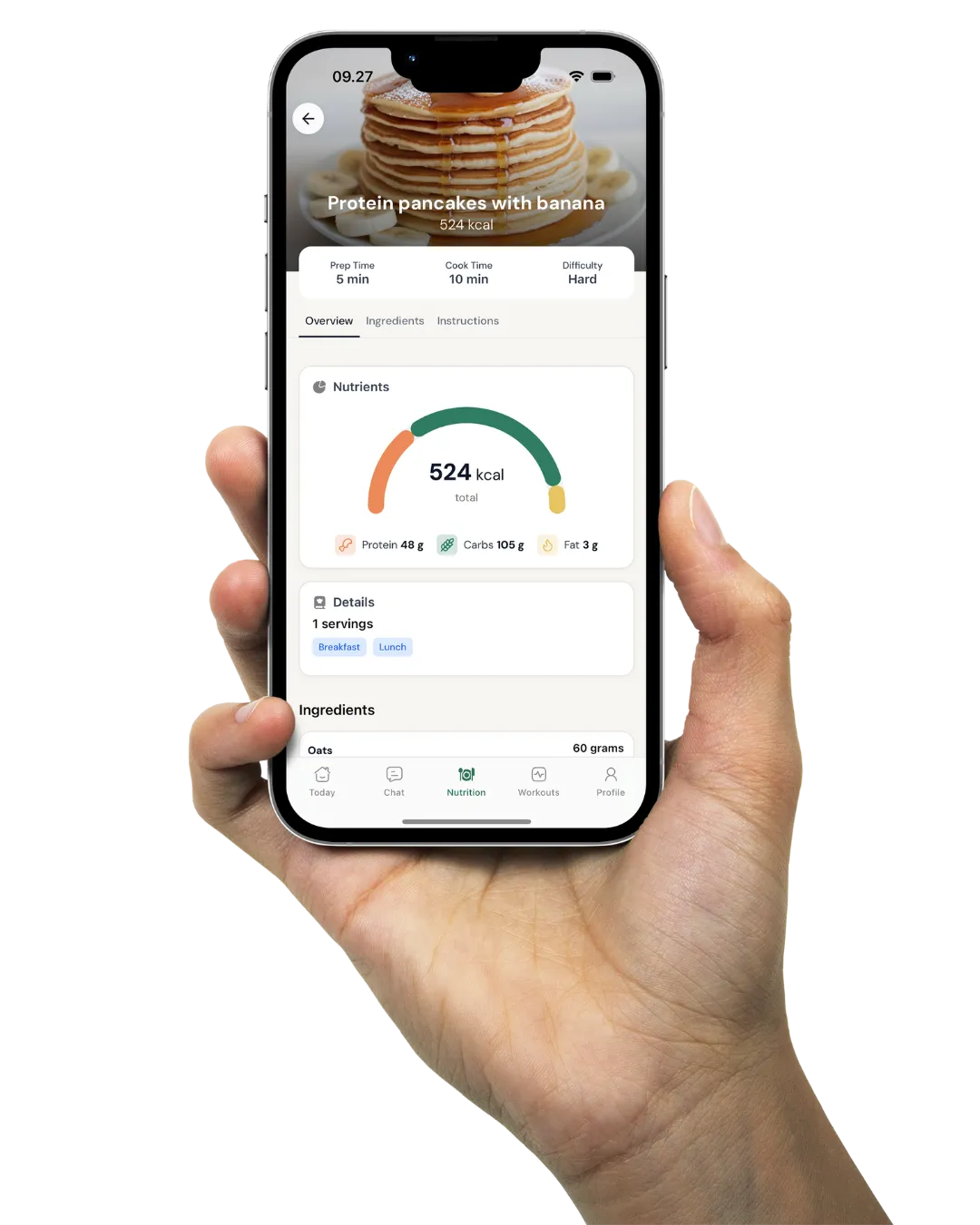
Coachway gives online fitness and nutrition coaches native meal planning, day-by-day macro targets, food and recipe logging, and habit tracking inside a branded client app - enough to run a carb cycle cleanly without spreadsheets. See how the nutrition side fits together in our overview of nutrition coaching software, or the role itself in our guide to becoming an online nutrition coach. One honest note: the tool is only as good as the plan behind it - get the weekly numbers right first, then let the software deliver the structure.

questions coaches ask

Frequently asked questions.

What is carb cycling?

Carb cycling is a nutrition approach where you alternate higher-carbohydrate and lower-carbohydrate days through the week, usually anchoring the higher-carb days to harder training. Protein stays steady; mostly carbohydrate and some fat move from day to day. It is a way of distributing calories across the week to support training and adherence, not a metabolic trick - the weekly totals still decide the result.

Does carb cycling burn more fat than a normal diet?

No - not on its own. Studies comparing diets matched for total calories and protein find that day-to-day carbohydrate distribution does not meaningfully change fat loss. What drives fat loss is a sustained calorie deficit with adequate protein. Carb cycling can help if it makes that deficit easier to hold, but the deficit, not the cycling itself, does the work.

Who is carb cycling best suited to?

It suits clients who train with clearly different demands across the week - heavy lifting or long sessions some days, rest or easy days others - and who like structure. It can also help people who feel better with more carbohydrate around hard training. It is a poor fit for clients who find tracking stressful or whose schedule is unpredictable, where a simpler consistent target usually wins on adherence.

How do you structure a carb cycling plan?

Set the weekly calorie and protein targets first, then put higher-carb days on the hardest training days and lower-carb days on rest days, keeping protein steady throughout. Confirm the days average out to your weekly target. A typical split is two or three higher days, a couple of moderate days, and two lower days, but the weekly average and consistency matter far more than the exact pattern.

Is carb cycling the same as a refeed or a low-carb diet?

No. A refeed is an occasional planned jump in calories (mostly from carbohydrate) during a longer diet, while carb cycling is an ongoing weekly pattern. A low-carb diet keeps carbohydrate low every day; carb cycling deliberately varies it. They can overlap - a high day can act like a refeed - but the structure and intent differ.

Should coaches prescribe carb cycling to every nutrition client?

No. Carb cycling is one tool for fueling training and supporting adherence, not a default. For most clients a single consistent daily target is simpler and just as effective. Reserve cycling for clients whose training and preferences genuinely call for it, and refer any client with a medical condition, disordered eating history, or clinical nutrition need to a registered dietitian or doctor.

This article is general information for coaches, not medical or clinical nutrition advice. Coaches can guide nutrition habits and targets within their scope of practice; refer any client with a medical condition, a history of disordered eating, or a clinical nutrition need to a registered dietitian or doctor.

Carb cycling is one structuring tool among many. Before you reach for it, make sure the weekly numbers are right - start with our macro calculator, then decide whether a carb cycle, or simply a consistent daily target, is the better fit for the client in front of you.

See what Coachway can do for your coaching business

Coachway was built after working with 150+ coaches who all had the same frustrations - slow platforms, clunky workflows, wasted hours. Book a demo and see what we fixed. 15 minutes, and you'll know if it's the right fit.

Built for efficiency 6 languages DenmarkNorwaySwedenFinlandGermanyUnited Kingdom
The coaching platform you've been waiting for