Skip to content
nutrition · supplements

Electrolytes: what to tell clients who ask

Electrolyte drinks are everywhere, so the question lands in your DMs constantly: do I need these? This guide gives you the answer to hand back - what electrolytes actually are, the honest reply for most clients (usually no), the few clients who genuinely benefit, and how to steer the money so you are not co-signing a tub of powder someone does not need.

By Markus Evers · Updated June 2026

the short answer

Most clients do not need electrolyte supplements. Electrolytes are minerals - mainly sodium, potassium, and magnesium - and a client eating normal food and drinking to thirst already gets enough. They genuinely matter in a few cases: heavy sweaters, long or hot sessions, and very low-carb or low-sodium diets. For everyone else, food and water do the job.

This article is general education for coaches, not medical or nutrition prescription - individual needs vary, so any client with a health condition, on medication, or with high blood pressure, kidney, or heart concerns should check with a doctor or registered dietitian before changing salt or electrolyte intake.

the basics

What electrolytes actually are.

Electrolytes are minerals that carry a small electrical charge and help the body balance fluids, contract muscles, and fire nerve signals. The three that come up in training are sodium, potassium, and magnesium. Sodium is the one you lose most in sweat, potassium and magnesium come along in smaller amounts, and all three are already sitting in ordinary food - including the salt a client puts on a meal.

That last point is the one clients miss. Because electrolyte drinks are marketed so hard, people assume they are a daily requirement they are somehow failing to meet. In reality, a normal diet supplies sodium, potassium, and magnesium without any extra product. Fruit, vegetables, dairy, whole grains, and salted meals cover the bases for most people without a scoop in sight.

Electrolytes sit in the same honest category as other supplements - a top-up for specific situations, not a foundation. If a client is still sorting out the bigger picture of how their food fits together, our guide on what macros are is a far more useful first stop than any hydration product. And the day-to-day energy a client spends moving around, covered in our piece on NEAT, moves results more than any drink does.

who needs them

The honest answer: who benefits, who does not.

Electrolytes are not magic and they are not a daily must-have. The honest framing is situational: for most clients they do nothing useful, and for a specific few they genuinely help. The table below is the summary you can give a client so they spend money only when it actually moves something.

Situation What is actually going on The honest takeaway
Normal training, normal food A client eating regular meals and drinking to thirst gets enough sodium, potassium, and magnesium from food. For this client, an electrolyte supplement adds cost, not benefit.
Heavy sweaters and salty sweat Some people lose far more sodium per hour of sweat than others, and may feel flat, crampy, or headachy after long sessions. A pinch of salt or an electrolyte drink can genuinely help here.
Long or hot sessions Sessions over roughly 60 to 90 minutes, or training in heat, increase both fluid and sodium losses. Replacing some sodium with fluid matters more than the exact brand.
Very low-carb or low-sodium diets Cutting carbs hard or eating very little processed food drops sodium fast in the first weeks. A little added salt often fixes the "keto flu" tiredness people report.

The short version for clients: if you eat normal food and drink when you are thirsty, you are almost certainly fine. The exceptions are real but narrow - heavy sweat losses, long or hot training, and the early weeks of cutting carbs hard. Even then, a pinch of salt often does as much as a branded product. If a client just wants a sensible hydration baseline to anchor the habit, our water intake calculator gives a personalised starting point to adjust from.

how coaches handle it

Framing electrolytes with a client.

The product is simple and, for most clients, unnecessary. The coaching is in matching the tool to the actual symptom - so a client only buys what helps, reads their own body correctly, and knows where your advice ends and a doctor's begins. Five things to get right.

  1. 01

    Start with food and water, not a tub of powder

    Before a client buys anything, check the basics. Are they eating regular meals with some salt in them? Are they drinking to thirst across the day? For the large majority of clients, that is the whole answer - normal food supplies the electrolytes, and thirst supplies the timing. Reaching for a supplement first solves a problem most clients do not have.

  2. 02

    Find out if they are actually a heavy sweater

    The honest question is simple: do they finish long sessions with white salt marks on their kit, cramping, or a dull headache? Those are the clients an electrolyte drink can genuinely help. A client who trains 45 easy minutes and feels fine is not that person. Match the tool to the symptom instead of selling everyone the same tub.

  3. 03

    Scale it to the session, not the day

    Electrolyte needs spike around long, hot, or sweaty work - not at the desk. So the framing is per-session: a client doing a 2-hour ride in summer has a real case, the same client on a rest day does not. Tie any supplement to the specific situation that creates the loss, and it stops looking like a daily habit they have to fund. One caution at the far end: drinking far beyond thirst on very long or hot events carries its own risk - hyponatremia, or watered-down blood sodium - and that is a doctor or sports-medicine question, not a coaching one.

  4. 04

    Watch the low-carb and low-sodium starters

    When a client cuts carbs hard or strips out processed food, sodium drops quickly and they can feel tired, foggy, or lightheaded in the first weeks. A little added salt usually settles that. It is one of the few times a small, deliberate electrolyte tweak earns its place - and a good chance to explain why, so they understand their own body, not just follow a rule.

  5. 05

    Hold your scope of practice

    You can educate on general hydration and everyday salt. You cannot manage sodium for a client with high blood pressure, kidney or heart conditions, or anyone on medication that affects fluid balance. For those clients, salt and electrolyte targets are a doctor question, full stop. Refer it out - that referral protects the client and keeps you in your lane.

Electrolytes are a hydration question, but they almost always open a wider one about what is actually worth supplementing. A client asking about drinks often also wants to know about powders and pills - our honest take on creatine for clients covers one of the few supplements that earns its place - and where the rest of the micronutrient picture sits, which our guide to micronutrients for coaches walks through without the hype.

scope of practice

Where coaching ends and a doctor begins.

This is the line that protects both you and the client. As a coach, you can educate on general hydration, drinking to thirst, and everyday salt on food - the same way you would explain protein or sleep. What you cannot do is set sodium targets for someone whose health depends on them. Those are two different jobs, and sodium is the part that turns medical fast.

Refer the question out the moment it turns clinical. A client with high blood pressure, anyone with kidney or heart conditions, someone on medication that affects fluid balance, or a client who feels genuinely unwell after training should hear the same thing from you: that is a great question for your doctor or a registered dietitian. Pushing salt or electrolyte loads on a client with those conditions is firmly outside a coach's lane.

Saying "that one is for your doctor" is not a weakness in your coaching - it is a sign of a coach who knows their scope, and clients trust that more, not less. The same honesty applies to every recovery topic you cover, from hydration to rest, which our guide on sleep and recovery for training walks through as part of the bigger picture.

delivering the nutrition side

Keeping the fundamentals front and center.

Electrolytes are a footnote next to the things that actually move a client - protein, calories, consistent training, and steady hydration. The job of a coaching platform is to keep those fundamentals visible so a client never reaches for a tub of powder to fix a problem that food and water would solve for free.

Macro targets and meals

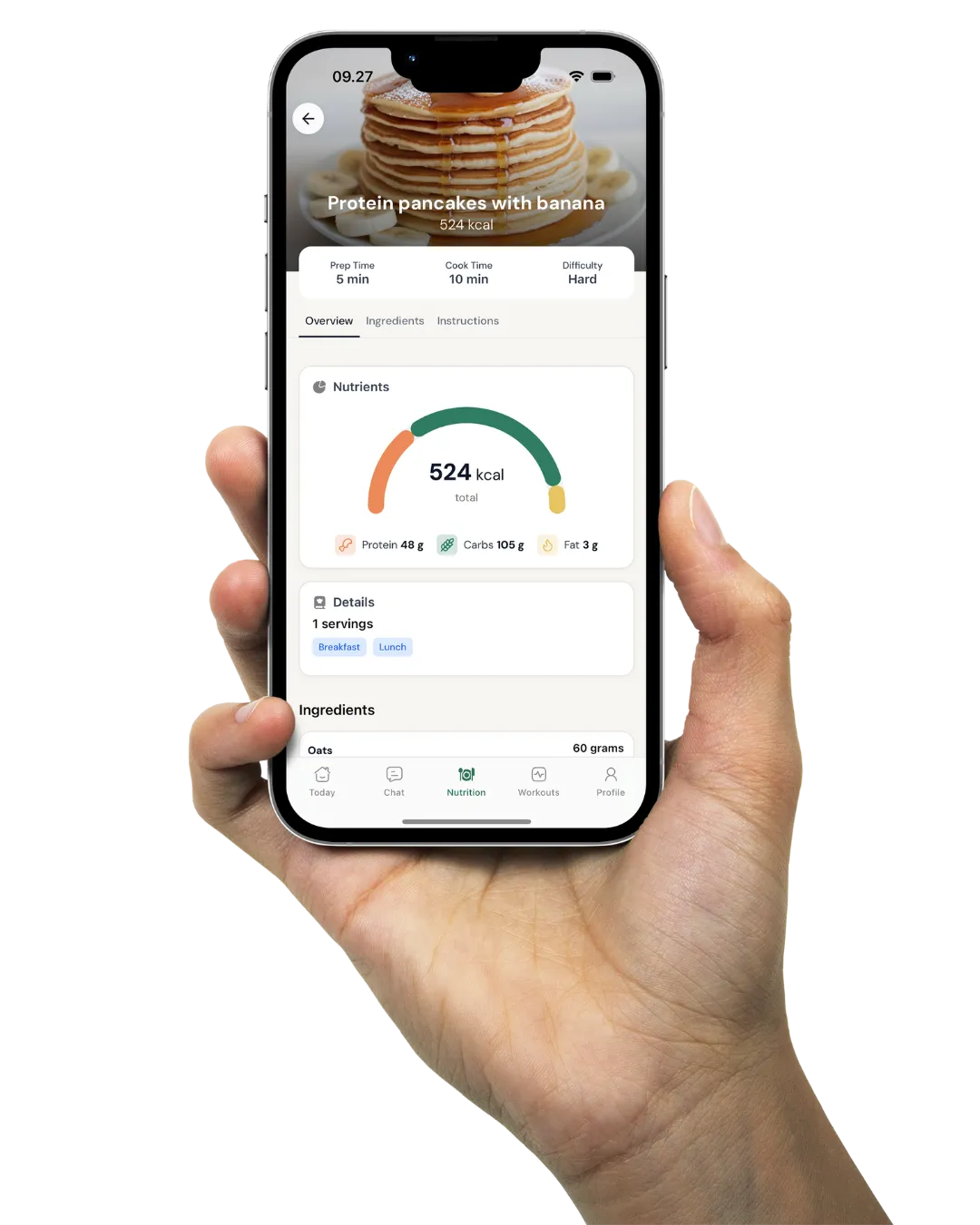
Coachway includes native nutrition with a meal planner, 1,100+ recipes, and clear targets, so a client gets their food right before they ever think about a hydration product.

Habit and check-in tracking

Track habits like hydration and how a client feels around long sessions, so when a heavy sweater really does need salt, you spot it from the pattern instead of guessing.

A branded client app

Clients follow their plan and message you in a native branded app, so the place they ask "do I need electrolytes?" feels like your business, not a generic portal.

The supplement conversation is easy when the fundamentals are handled. With macro targets, a meal planner, and habit tracking in one app, a client sees clearly that electrolytes are an occasional finishing touch, not the foundation. See how the nutrition side works on the meal planner page, and pair it with the water intake calculator to set a hydration baseline a client can actually keep.

questions clients ask

Frequently asked questions.

Do most clients actually need electrolyte supplements?

No. Most clients who eat normal meals and drink to thirst already get enough sodium, potassium, and magnesium from food, so an electrolyte supplement adds cost without a clear benefit. Electrolytes only become worth supplementing in specific cases - heavy sweaters, long or hot sessions, or very low-carb and low-sodium diets. For the average client, food and water are the honest answer.

What are electrolytes, in plain terms?

Electrolytes are minerals that carry a small electrical charge and help your body balance fluids, muscle function, and nerve signals. The main ones in training are sodium, potassium, and magnesium. You lose some, mainly sodium, in sweat. The point clients miss is that ordinary food - including salt on meals - already supplies these, so a supplement is a top-up for specific situations, not a daily requirement.

When does a client genuinely benefit from electrolytes?

The clear cases are heavy sweaters who finish with salt marks, cramps, or headaches, sessions longer than roughly 60 to 90 minutes, training in heat, and the first weeks of a very low-carb or low-sodium diet. In those situations replacing some sodium alongside fluid can help with energy and comfort. Outside them, most clients do not need a supplement to stay properly hydrated.

How much water should a client actually drink?

There is no single magic number - body size, climate, and training load all shift it. Drinking to thirst across the day works well for most people, with a little extra around long or hot sessions. If a client wants a sensible starting estimate to anchor the habit, a water intake calculator gives a personalised baseline they can adjust, rather than chasing a one-size-fits-all "8 glasses" rule.

Can you just add salt to food instead of buying a supplement?

For many clients, yes. A pinch of extra salt on meals, or a salty snack around a long session, covers the sodium that matters most without a branded tub. Potassium and magnesium come from everyday foods like fruit, vegetables, dairy, and whole grains. A dedicated electrolyte product is convenient for endurance work or heavy sweating, but it is rarely the only option.

Are electrolyte supplements safe for everyone?

For most healthy adults, the modest amounts in everyday electrolyte products are fine. But sodium is not free for everyone - clients with high blood pressure, kidney or heart conditions, or anyone on medication that affects fluid balance should not have you setting their salt targets. Those are medical decisions. Refer them to a doctor or registered dietitian, and keep your advice to general hydration habits.

This article is general education for coaches, not medical or nutrition prescription. Individual needs vary, and sodium is not safe to load for everyone - any client with high blood pressure, kidney or heart conditions, on medication that affects fluid balance, or who is pregnant or breastfeeding should consult a doctor or registered dietitian before changing salt or electrolyte intake. Coaches educate on general hydration habits and refer medical questions out.

Want a sensible place to start the hydration conversation? Anchor it with our water intake calculator, then build the food foundation every supplement decision sits on top of with our guide on what macros are.

See what Coachway can do for your coaching business

Coachway was built after working with 150+ coaches who all had the same frustrations - slow platforms, clunky workflows, wasted hours. Book a demo and see what we fixed. 15 minutes, and you'll know if it's the right fit.

Built for efficiency 6 languages DenmarkNorwaySwedenFinlandGermanyUnited Kingdom
The coaching platform you've been waiting for