BMI Calculator.
Work out your body mass index in metric or imperial units. Enter your height and weight and get your BMI to one decimal, your weight category, and the healthy weight range for your height in seconds.
Calculate your BMI
Tip: BMI uses only height and weight, so it cannot tell muscle from fat. Lean, muscular clients can read high - pair it with body composition.
the short answer
BMI is your weight divided by your height squared: metric, BMI = weight (kg) / height (m)^2; imperial, BMI = 703 x weight (lb) / height (in)^2. Below 18.5 is underweight, 18.5 to 24.9 normal, 25 to 29.9 overweight, and 30 or above obese. BMI ignores body composition, so a lean, muscular client can read overweight or obese while being perfectly healthy - pair it with body fat and FFMI.
What is BMI and how is it calculated?
Body mass index is a single number that compares your weight to your height. It was designed as a population screening tool, a quick way to sort large groups into weight categories without measuring anyone's body fat directly. For an individual it is a starting point, not a verdict, because it cannot see what your weight is actually made of.
The metric formula is BMI = weight (kg) / height (m)^2. So an 80 kg person who is 1.80 m tall has a BMI of 80 / 3.24 = 24.7, which lands in the normal range. The imperial formula is BMI = 703 x weight (lb) / height (in)^2, where 703 is the conversion factor that makes pounds and inches match the metric result. A 200 lb person at 70 in works out to 703 x 200 / 4900 = 28.7, which is overweight. This calculator handles either unit and converts for you.
The result also tells you the healthy weight range for your height - the weights that keep BMI between 18.5 and 24.9. Square your height in metres and multiply by 18.5 and 24.9 for the low and high ends. At 1.80 m that is 59.9 kg to 80.7 kg. It is a useful target band, but remember it is built from height and weight alone.
BMI categories for adults.
The result panel labels your number against these standard World Health Organization bands. They apply to most adults and do not adjust for age, sex, or athletic build.
| Category | BMI range |
|---|---|
| Underweight | Below 18.5 |
| Normal weight | 18.5 - 24.9 |
| Overweight | 25 - 29.9 |
| Obese | 30 and above |
These bands are general screening ranges, not a medical diagnosis. To pair BMI with a calorie plan, run your numbers through our TDEE calculator and BMR calculator.
How coaches use a BMI calculator.
For online fitness and nutrition coaches, BMI is a fast first-pass screen, not a goal. It flags roughly where a new client sits before you have body composition data, and it is easy for clients to recheck at home. The catch is that BMI uses only height and weight, so it cannot tell muscle from fat - a lean, muscular client can read overweight or even obese while carrying very little body fat. For those clients, pair BMI with body composition using our body fat calculator and FFMI calculator so you see the real picture.
The harder part is keeping those numbers attached to a real plan rather than scattered across notes. If you coach clients online, our guides on how to become an online fitness coach and how to price your coaching packages are the next steps once your measurement method is set.
Track numbers like this for every client.
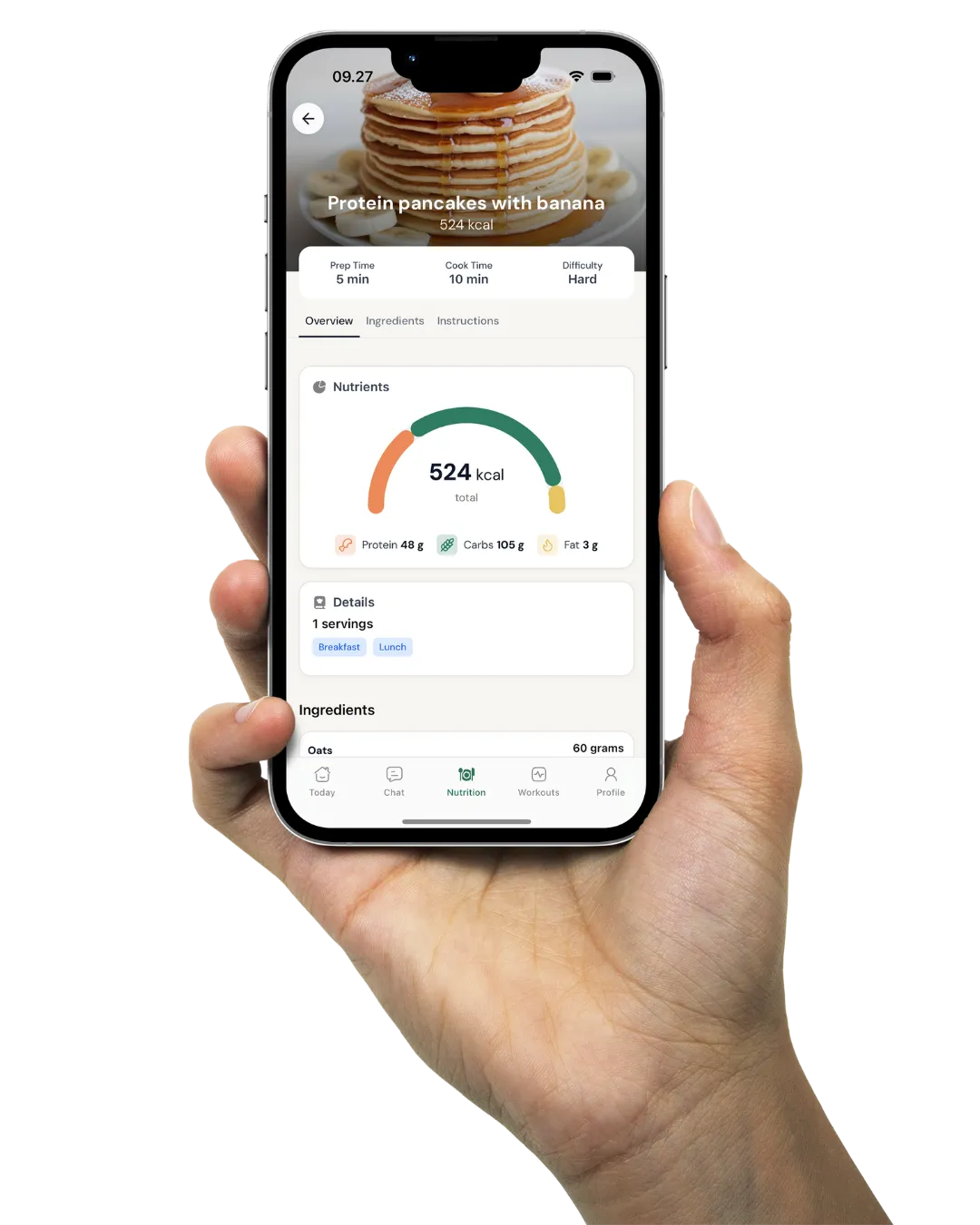
A calculator gives you one reading. Coachway lets coaches set per-client targets and track check-in numbers alongside training and nutrition in one place, so a BMI screen turns into a trend your clients follow in the client app. See how the meal planner handles the nutrition side.
See Coachway pricingFrequently asked questions.
What is a BMI calculator?
A BMI calculator works out your body mass index from your height and weight. The formula is BMI = weight in kilograms divided by height in metres squared. In imperial units it is BMI = 703 x weight in pounds divided by height in inches squared. The result is a single number that sorts you into a weight category, from underweight to obese.
What is the formula for BMI?
The metric BMI formula is BMI = weight (kg) / height (m)^2. For example, 80 kg at 1.80 m is 80 / 3.24 = 24.7. The imperial formula is BMI = 703 x weight (lb) / height (in)^2, so 200 lb at 70 in is 703 x 200 / 4900 = 28.7. Both formulas describe the same measure - imperial just folds in the 703 conversion factor.
What are the BMI categories?
The standard adult BMI categories are: underweight below 18.5, normal weight from 18.5 to 24.9, overweight from 25 to 29.9, and obese at 30 or above. These bands come from the World Health Organization and apply to most adults. They are screening ranges, not a diagnosis, and they do not adjust for age, sex, or athletic build.
What is a healthy weight for my height?
A healthy weight is the range that puts your BMI between 18.5 and 24.9. To find it, square your height in metres, then multiply by 18.5 for the low end and 24.9 for the high end. At 1.80 m that is 18.5 x 3.24 = 59.9 kg to 24.9 x 3.24 = 80.7 kg. The calculator shows this range automatically once you enter your height.
Why can BMI be misleading for muscular clients?
BMI only uses height and weight, so it cannot tell muscle from fat. A lean, muscular client can read as overweight or even obese while carrying very little body fat, because muscle is dense and adds weight. For these clients BMI alone is misleading - pair it with body composition. Run the same person through a body fat or FFMI estimate to see the real picture.
How do coaches use a BMI calculator?
Coaches use BMI as a fast first-pass screen, not a goal. It flags where a new client sits before you have body composition data, and it is easy for clients to recheck at home. Because BMI ignores muscle, coaches read it alongside body fat, measurements, and progress photos. On a platform like Coachway, those numbers and targets sit per client beside training and nutrition.
This calculator is general information, not medical or dietary advice. BMI is a screening number that ignores body composition - it is not a substitute for body fat testing or guidance from a qualified professional.
Keep going: see what your weight is made of with the body fat calculator and FFMI calculator, estimate your daily target with the TDEE calculator, or read our guides on becoming an online fitness coach and pricing online coaching packages.
More free calculators
See all free tools ->FFMI Calculator
Fat-free mass index and your natural muscular potential.
Open calculator ->Lean Body Mass Calculator
Lean body mass and fat mass, by body fat percentage or the Boer formula.
Open calculator ->Muscle Mass Calculator
Estimate skeletal muscle mass (Lee 2000) in kg and lb, plus SMM as a percent of body weight.
Open calculator ->Ideal Weight Calculator
A healthy weight range for your height across the Devine, Robinson, Miller and Hamwi formulas.
Open calculator ->Personal Trainer Bio Generator
Build 8 Instagram bios under 150 characters from your niche, outcome, and CTA.
Open calculator ->Reel Script Generator
Six 30-second talking-head reel scripts from your topic, point and one number, timed hook to ask at about 75 words, with copy buttons and a ChatGPT prompt export.
Open calculator ->See what Coachway can do for your coaching business
Coachway was built on knowledge from working with 150 online coaches over 6+ years, who all hit the same wall - slow platforms, clunky workflows, wasted hours. Start your 14-day free trial and see what we fixed - the whole platform, no charge today, cancel anytime under Billing.