Client intake form for personal trainers.
A client intake form is the questionnaire a personal trainer gives a new client before the first session - the one place you capture goals, training history, injuries, lifestyle, nutrition, availability and equipment. Fill yours in below, then print it or save a clean PDF. Free, no sign-up, and yours to reuse with every new client.
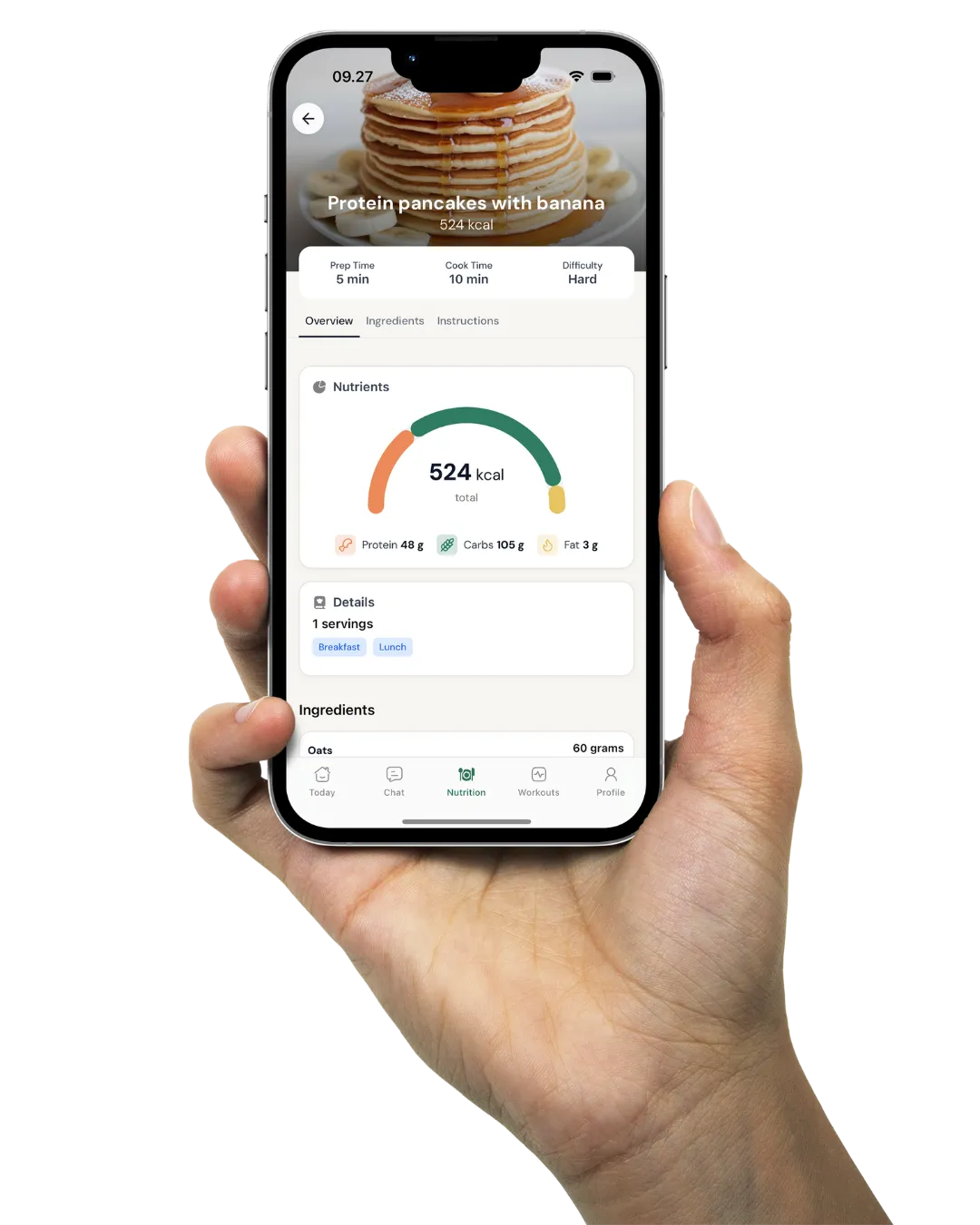
Onboarding clients every week? Send it through the Coachway app instead - 14-day free trial.
build your intake form
your details
primary goal
Pick the goal types that fit, then say it in the client's own words.
training history
injuries & limitations
Anything your coach should train around - past injuries, pain, surgeries or movements to avoid. This is for planning, not a medical assessment or diagnosis.
lifestyle
nutrition snapshot
availability & equipment
commitment
after the print
If a document like this goes out to every client, the rebuilding is the part worth retiring: in Coachway, forms, programs and meal plans live in the client app - sent, filled in and stored per client, no printer involved.
see inside Coachwayfor coaches with more than a few clients
Sending this to every client?
Then build the questions once in Coachway instead of printing a new sheet each time. An onboarding flow sends your intake form to each new client, they answer it on their phone in the Coachway app (which runs in the language they pick), and the answers are saved with that client instead of in a folder of PDFs. The same form builder covers your weekly check-in forms, and check-in reminders go out automatically, so you are not chasing anyone by text.
the short answer
A client intake form is a structured questionnaire a personal trainer gives a new client before programming begins. It gathers the essentials in one place - contact details, goals, training history, injuries and limitations, lifestyle, nutrition, availability and equipment - so the first program fits the person rather than a generic template. It is not a safety screen: pair it with a PAR-Q readiness form for that. Use the generator above to fill one in, then print it or save it as a PDF.
Why a structured intake beats a chat.
You can learn a lot about a new client from a good conversation. The problem is what a conversation leaves out. When onboarding happens across a few messages and a call, the questions you ask depend on what you happen to think of that day, the answers arrive in different places, and the things a client does not volunteer stay invisible. The knee that aches on deep squats, the shift pattern that kills early mornings, the intolerance that quietly rules out half a meal plan - these are exactly the details that never come up unless you ask for them on purpose. A structured intake asks the same complete set of questions of every client, so nothing important depends on memory or luck. The answers also feed the welcome sequence; the onboarding email prompts turn the intake into the first five emails without pasting a name into the model.
It also changes the first impression. Asking a considered set of questions before you sell a program tells a new client you are building something for them specifically, not handing over a file you send to everyone. And it gives you one honest record of where they started - useful three months later when they have forgotten how far they have come. The form is not about paperwork for its own sake. It is the difference between a first program built on facts and one built on guesses.
From blank form to a filed PDF.
This is an interactive generator, not a static download, so you never open a PDF editor. Add your business name and your client's details at the top, then work through the sections - goals, training history, injuries and limitations, lifestyle, nutrition, availability and equipment, and a couple of commitment questions. You can fill it in with the client on a call, or send them the link and let them complete it in their own time. When you are done, hit Print / Save as PDF: the page prints a clean form sheet with your business name at the top, every answer laid out under its heading, and signature lines at the end. Choose your printer for a paper copy or "Save as PDF" for a digital one you can file and send.
Prefer paper? Leave the fields blank and print an empty form for a client to fill in by hand at the first session. Either way, nothing you type is uploaded or stored on our side - it stays in your browser, which is why the form is safe to use for real client details.
Turn intake answers into first-month priorities with ChatGPT
Paste the intake answers with an ID and the model returns the three priorities for month one, the week-one habit, five questions for the first call and two adherence risks, from the answers only; it is told not to write the programme. The programme itself follows the programme design workflow, and the answers stay in the client record.
Turn intake answers into first-month priorities with ChatGPT
When to use it: After the form comes back, before the first call.
What to paste in: The intake answers with a client ID; no name, no medical detail.
Below are a new client's intake answers (client ID [ID], no name, no medical detail): goals, training history, schedule, equipment, food and lifestyle notes. From these, give me: the three priorities for the first month in order, with one sentence each on why; the one habit to start in week one; five questions to ask on the first call that the form did not answer; and two things in the answers that could be a problem for adherence. Use only what is in the answers; if something important is missing, list it under "missing" rather than guessing. Do not write a programme.

ANSWERS:
[PASTE THE INTAKE ANSWERS]
Turn the answers into the first program.
An intake form only earns its keep if the answers drive decisions. Read each section as an instruction. The goal sets the outcome you program toward and the way you will measure it - fat loss, a stronger lift, a race, or simply a habit that sticks. Training history tells you where to start the loads and how much volume the client can actually recover from, so a returning lifter and a true beginner get different first weeks. Injuries and limitations decide your substitutions before you ever write a session - the movements you swap, cue carefully, or leave out until things settle. Lifestyle - sleep, stress and how active the day already is - sets a realistic session count and how hard those sessions should push.
The nutrition snapshot shows whether the first step is structure, a small change, or nothing yet, and the allergies and refused foods rule out anything you would otherwise have suggested. Availability and equipment shape the split itself: three home sessions with dumbbells is a different program from five days in a full gym, and the honest answer here is what keeps the plan doable. And the commitment answers - what has stopped them before, who supports them - tell you where this is likely to wobble, so you can build the accountability in from week one instead of reacting when it slips. Programmed this way, the first block reads like it was written for one person, because it was.
A PDF is a fine start. One place is better.
A printed or saved intake form does the job on day one. The friction shows up later: the PDF lands in an email, the client's readiness form is in a different folder, their check-ins live in a chat app, and by month two you are hunting for the answers you carefully collected. That is the part a template alone cannot solve - not writing the form, but keeping it findable and joined up with everything else you know about the client.
That is where a client onboarding flow helps. Inside Coachway, each client has a single tab where their intake answers, readiness form, training, check-ins and messages live together, so the details you gathered here sit beside the plan you build from them instead of scattered across apps. Coachway starts at EUR 69 per month for up to 5 clients, then EUR 9 per additional client, with every feature included and a 14-day free trial. The form on this page stays free to use whether or not you ever use the platform.
Frequently asked questions.
What should a personal training intake form include?
A useful intake form captures the facts you need to write a first program that fits the person, and nothing you will never read again. That means contact basics, the primary goal in the client's own words plus a goal type, training history (how long they have trained, how many sessions a week, what they do now), any injuries or limitations to train around, a lifestyle snapshot (sleep, stress and how active their day is), a nutrition snapshot (current approach, allergies or intolerances and foods they will not eat), availability and equipment, and a couple of commitment questions such as what has stopped them before. Keep it to what changes a programming decision - a long form that no one finishes is worse than a short one that gets answered honestly.
Is a client intake form the same as a PAR-Q?
No. They do different jobs and it is worth running both. A PAR-Q is a short physical-activity readiness screen: seven yes-or-no questions that flag whether someone should speak to a doctor before they start or increase activity. An intake form is broader and is about planning, not screening - it gathers goals, history, injuries to train around, lifestyle, nutrition, availability and equipment so you can design the first block. The PAR-Q asks "is it safe to begin?"; the intake form asks "what should the first program look like?". Use the PAR-Q as your readiness check, then use the intake form to build the plan.
Should clients fill in the intake form before or after they pay?
Most coaches send it right after a client signs up and before the first session, so the first program is ready to go and the opening call is spent on the client rather than on admin. Some send a short version earlier, during a discovery or sales conversation, to check that they can actually help before anyone commits. Either works. What matters is that the answers are in front of you before you write the first block, not collected in scattered messages afterwards.
Can I use this intake form for online coaching clients?
Yes, and online coaching is where a structured intake matters most, because you are often programming for someone you have never trained in the same room. Send the client the questions, have them fill this form in and save it as a PDF, or rebuild the same fields inside whatever onboarding flow you already use. The point is the same in person or online: get goals, history, injuries, lifestyle, nutrition, availability and equipment written down once, so your first program is built on facts instead of guesses.
How should I store completed intake forms?
Treat a completed intake form as personal data, because it is. Keep it somewhere private and access-controlled rather than a shared inbox, an open drive or a chat thread, and hold onto it for as long as you reasonably need the record. The practical habit is one file per client: the intake answers sitting next to that client's readiness form, training and check-ins, so you can find them later and are not scattering someone's health information across apps. If you coach clients in Europe, data-protection rules such as GDPR apply, so check what is expected where you operate.
Can ChatGPT turn intake form answers into a plan?
It can turn them into the three priorities for the first month, the week-one habit, the questions the form did not answer and the adherence risks, which is the thinking a coach does before the first call. It should not write the programme from them; that needs the constraints sheet and the sign-off on the programme design guide. Paste answers with a client ID, never a name or medical detail.
This client intake form is a starter template, not legal advice, and the answers it collects are personal data - store completed forms somewhere secure and private, and note that data-protection rules such as GDPR apply if you work with clients in Europe.
Keep building your onboarding: pair this with the PAR-Q readiness screen, read what client onboarding in coaching involves, and browse the full templates library.
Keep every client's intake in one place
This template gets you a clean, filed intake form. Coachway keeps it beside each client's readiness form, training, check-ins and messages in a single tab - so nothing gets lost between a PDF, a chat app and a spreadsheet. Start the 14-day free trial and see the whole platform.