Skip to content
niche · pre & postnatal

How to coach prenatal and postpartum clients online.

Learning how to coach postpartum clients online - and prenatal clients too - means programming around medical clearance, the client's stage, and core and pelvic-floor considerations while staying firmly inside a coach's scope, not a clinician's. This guide is a coach-facing framework for screening at intake, programming by trimester, managing the return after birth, running remote check-ins that catch symptoms, and knowing exactly when to refer out. It is general information, not medical advice.

By Markus Evers · Updated June 2026

the short answer

Coaching pre and postnatal clients online works when you build the whole engagement around three things: clearance from the client's medical provider, the client's stage, and clear referral thresholds for core and pelvic-floor symptoms. Your job is to program, coach, and track - not to diagnose, treat, or clear anyone to exercise. Coachway helps you hold that line: custom intake and check-in forms screen for red flags, auto-charted trends surface symptoms over time, and a branded app keeps clients logging from home on predictable per-client pricing.

scope and safety note

This article is general information for coaches, not medical advice, and it is not a substitute for a client's doctor, midwife, OB, or pelvic-floor physical therapist. Pre and postnatal care varies by individual, country, and provider. Coaches stay inside their scope of practice: they do not diagnose, treat, prescribe, or grant clearance to exercise. Require medical clearance before training, refer any symptom or concern to the appropriate clinician, and pursue proper pre and postnatal education before taking this work on.

the line you do not cross

Scope first: coach, not clinician.

Every decision in pre and postnatal coaching sits on top of one fact: you are the coach, and someone else is the clinician. The client's doctor, midwife, OB, or pelvic-floor physical therapist owns diagnosis, treatment, and clearance. You own programming, technique, accountability, and tracking. When those roles blur, both the client and your business are exposed, so it is worth being almost boring about the boundary.

In practice that means no training begins until the client has been cleared by their own provider, and even then you program around what that provider allows. Pelvic-floor symptoms, abdominal separation, pain, and anything that feels medical get referred out, not coached through. Pre and postnatal work is a genuine specialism, which is one reason it makes a strong, defensible niche - if you are weighing it, our guide on how to choose a coaching niche covers how to pick one you can actually serve well.

Said plainly: clearance comes first, the provider's instructions override your plan, and a referral is always available to you. Hold that line and everything below becomes safer and simpler. Blur it, and no amount of clever programming will protect you.

screening checklist

What a pre and postnatal intake must screen for.

Screening is the first real piece of coaching you do, and remotely it has to be deliberate because you cannot read the room in person. Build it into a structured intake before anyone trains - the same discipline our online fitness assessment guide applies, tuned for this population. If a tool cannot capture these, it cannot keep this work safe.

  • Confirmation of medical clearance from the client's own provider before any training starts - you coach, you do not clear anyone to exercise.
  • The exact stage: which trimester for prenatal clients, or how many weeks and months postpartum, plus delivery type (vaginal or cesarean) so programming matches reality.
  • Pregnancy and birth history, including any complication their provider has flagged, so you know what is off the table before you write a single session.
  • A core and pelvic-floor symptom screen - leaking, heaviness or pressure, pain, and coning or doming - with a clear threshold that sends the client to a pelvic-floor physical therapist rather than to a heavier set.
  • Red-flag symptoms that mean stop and contact their provider: bleeding, dizziness, regular contractions, severe pain, calf pain or swelling, or a gush of fluid.
  • Training history before and during pregnancy, plus what genuinely feels comfortable to the client right now, not what they think they should be able to do.
  • Goals reframed for the stage: maintaining strength, staying mobile, and rebuilding - never aggressive fat loss or chasing a peak during pregnancy or the early postpartum window.
  • A diastasis and breathing baseline for postpartum clients, framed as a screen that guides referral, not a diagnosis you are qualified to make.
  • Real-life logistics: sleep, feeding, energy, equipment at home, and how long a session can actually be with a newborn in the room.
programming by stage

Programming by stage and trimester.

Stage changes the goal more than the exercises. The table below is a general orientation, not a prescription - every line bends to the client's clearance, history, and symptoms. Use it to set emphasis, then write the actual sessions the way you would any plan; our piece on how to write an online coaching program covers the mechanics.

Stage Common emphasis Adjust as you go Refer or pause if
First trimesterMaintain strength and habits the client already hasWork with fatigue and nausea; intensity is often capped by how they feelAny red-flag symptom, or anything their provider has flagged
Second trimesterKeep training; many clients feel most capable hereModify positions and load as the bump grows; watch breathing under tensionConing or doming, pain, dizziness, or anything outside clearance
Third trimesterComfort, mobility, and maintaining what is realisticExpect to scale back; substitute as range of motion and balance changeAny new symptom; defer to the provider as the date nears
Early postpartumRecovery, breath, gentle reconnection - no training before clearanceRest, sleep, and feeding dictate everything; start small and frequentBleeding, pain, heaviness, leaking - refer to a pelvic-floor PT
Return phaseRebuild foundation, then reload patterns graduallyProgress by symptom response, not the calendarSymptoms that return under load - regress and consider referral
step by step

The fourth trimester: how to coach postpartum clients online.

The return after birth is where coaching judgment matters most. There is no fixed timeline that fits everyone, so the loop below is built to move at the client's pace and stop the moment a symptom says so. It begins, always, after the client's provider has cleared them.

  1. 01

    Wait for clearance, then start from the breath

    Nothing loaded begins until the client has been cleared by their provider. Even then, the first block is reconnection: breathing, gentle core and pelvic-floor awareness, and easy movement. This is the part coaches most often rush, and it is the part that protects everything that comes after.

  2. 02

    Rebuild the foundation

    Walking, low-load full-body patterns, and controlled bodyweight work rebuild capacity without testing it. Keep sessions short and frequent rather than long and heavy. You are re-teaching tension and control, not training for a number on the bar.

  3. 03

    Reintroduce load gradually

    Once the basics feel symptom-free, layer load back onto squat, hinge, push, pull, and carry patterns one step at a time. Use the workout builder to log every set so you can see exactly what the client did and how it felt, week to week.

  4. 04

    Progress by symptom response, not the calendar

    The client decides the pace, and their symptoms decide it for them. If a check-in flags leaking, heaviness, doming, or pain, regress the load or the movement and ask whether a pelvic-floor specialist should look at it. A quiet week is a green light; a symptom is a stop sign.

  5. 05

    Return toward goals once load is symptom-free

    When the client is moving and loading without symptoms, you can build back toward their actual goals at a sensible rate. If symptoms keep returning under load, that is a referral, not a programming puzzle for you to solve alone.

the part coaches overstep

Core and pelvic floor without overstepping.

Core and pelvic-floor work is the area where well-meaning coaches drift out of their lane fastest. There is a lot a coach can do well here: teach breathing and bracing, coach intra-abdominal pressure under load, cue good positions, regress when a movement causes coning or doming, and progress gradually as control returns. That is all training, and it is squarely inside your scope.

What sits outside it is assessment and treatment of the pelvic floor and abdominal wall. Internal assessment, diagnosing diastasis recti severity, treating prolapse or incontinence, and clearing pain are clinical tasks for a pelvic-floor physical therapist. Your job is to notice the signal and route it to the right person quickly. A coach who refers early looks more competent to clients, not less - and many build standing relationships with local pelvic-floor PTs precisely so the handoff is smooth.

The practical rule: coach the movement, screen for symptoms, and treat any symptom that does not resolve with sensible regression as a referral. You are building capacity and confidence, not running rehab.

remote check-ins

Remote check-ins that catch symptoms early.

Coaching this population from a distance means your check-in is your eyes. The goal is a repeatable rhythm that re-screens for symptoms every single week, so a problem surfaces in a form field instead of in a message three weeks too late. The same weekly habits in our guide to client check-ins apply, with a symptom screen bolted on.

Symptom-aware forms

Build a custom check-in form with required questions for red-flag and pelvic-floor symptoms, so nothing gets skipped on a tired week. Progress photos and measurements store by date, and reminders nudge the client without you chasing.

Trends over time

Rating fields and custom metrics chart automatically, so a creeping symptom or a stalling recovery shows up as a line, not a vibe. Patterns you would miss in a chat thread become obvious at a glance.

One place to review

Power Panel keeps each client's notes, data, and history together, so you read the symptom screen next to the training log and decide fast: progress, regress, or refer. Voice notes let you reply with warmth, not just text.

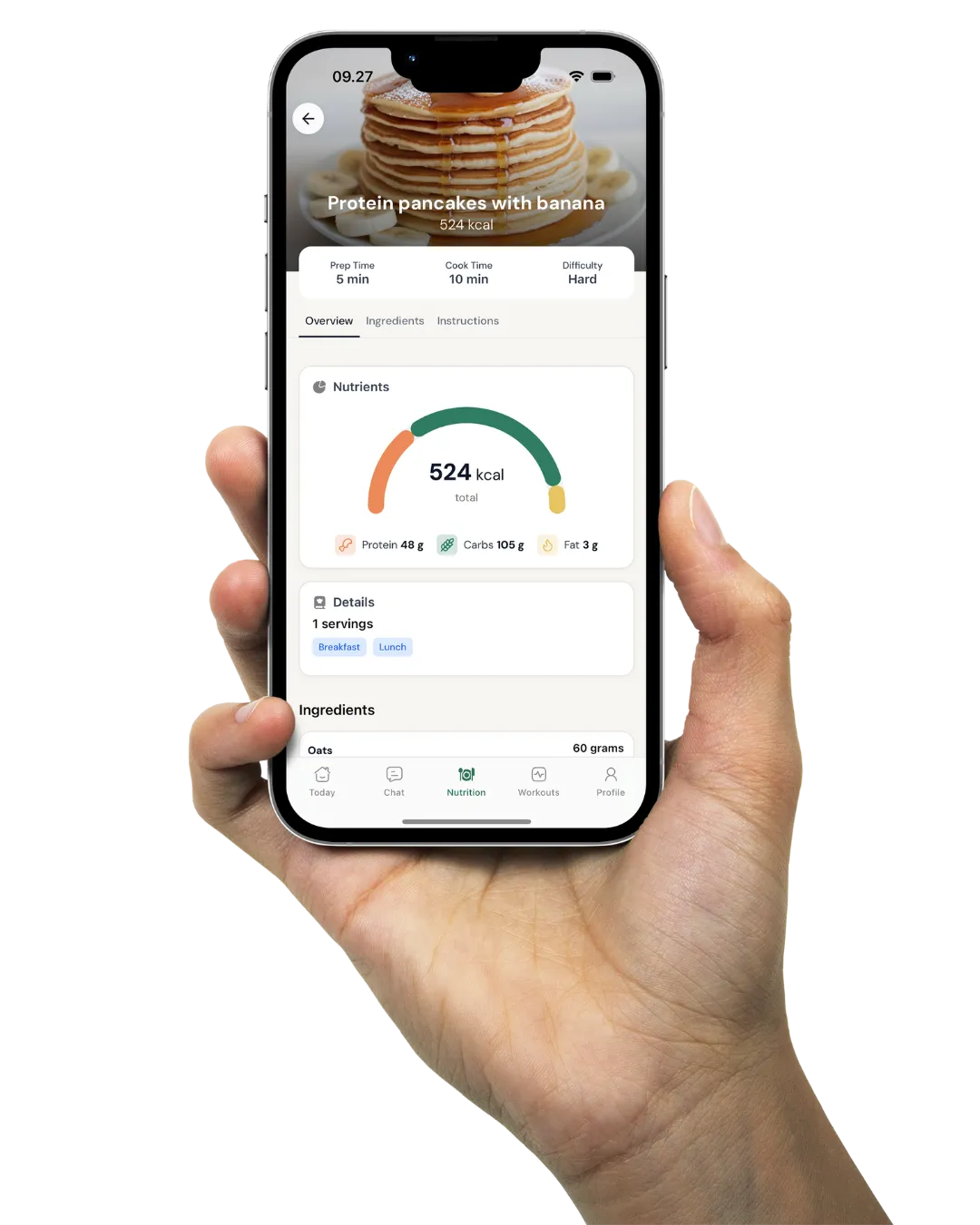
Everything feeds the client's branded mobile app, so a nervous first-time mum is logging inside something that feels like your coaching, not a clinical portal. Build the screening and check-in flow with custom forms, write and log the sessions in the workout builder, and keep the model sustainable as you grow with predictable per-client pricing on the pricing page.

expectations and positioning

Communication, expectations, and the niche.

Pre and postnatal clients are usually navigating a body that is changing weekly, broken sleep, and a flood of conflicting advice online. Your communication has to lower the pressure, not add to it. Set expectations early: progress is non-linear, the goal right now is health and capacity rather than a transformation timeline, and a regression or a referral is part of doing this well - never a setback to apologise for.

Be explicit about response times and what falls outside your remit, so a client knows to call their provider, not wait for your next check-in, if something feels wrong. Honest, calm boundaries build more trust than promising to be everything.

Done well, this is one of the most loyal niches in coaching. Clients who feel safely supported through pregnancy and the fourth trimester tend to stay for years and refer their friends. If you are positioning a business around it, treat the specialism, the screening discipline, and the referral network as your differentiators - that is what separates a credible pre and postnatal coach from someone selling a generic "pregnancy workout."

questions coaches ask

Frequently asked questions.

Can a coach train pregnant and postpartum clients?

Yes, within scope. A qualified coach can program, coach technique, track progress, and keep clients consistent - but only after the client has medical clearance, and only by working around what their provider allows. Coaches do not diagnose, treat, prescribe, or clear anyone to exercise. Specific pre and postnatal certifications and mentorship are commonly recommended before taking this work on, because the screening and referral judgment matters as much as the programming.

When is a client ready to return to exercise after birth?

When their own provider says so, not on a fixed calendar. The classic six-week check is commonly treated as a clearance milestone, but it is a rule of thumb, not a rule - readiness varies by individual, by delivery type, and by how recovery is going. Even after clearance, the return starts from breath and foundation work and progresses by how the client's body responds, not by how badly anyone wants to get back to lifting.

What should prenatal clients avoid in training?

This varies by individual and by what the client's provider advises, so the honest coaching answer is "follow their clearance and watch symptoms." Commonly, coaches reduce or stop anything that provokes coning or doming, breath-holding under heavy load, and movements that feel unstable as the pregnancy progresses, and they treat any red-flag symptom as a reason to stop and contact the provider. Program conservatively, keep the client talking, and refer anything outside your lane.

How do you screen prenatal and postpartum clients remotely?

With a structured intake and check-in form. Build a form that captures stage, birth history, clearance status, training history, and a symptom screen with required questions so nothing gets skipped, then re-screen at every check-in so new symptoms surface early. Pair it with a video form check for movement, and route anything clinical to the client's provider or a pelvic-floor specialist. Remote screening is about catching signals and referring well, not making medical calls.

When should I refer a client to a pelvic-floor specialist?

Whenever symptoms point past your scope: persistent leaking, heaviness or pressure, pelvic or abdominal pain, doming that does not resolve with regression, painful intercourse, or any concern the client raises about recovery. Referral is not a failure - it is the most professional move you can make, and many strong pre and postnatal coaches build ongoing relationships with local pelvic-floor physical therapists for exactly this reason.

How is Coachway priced?

Coachway uses predictable per-client pricing and lets coaches keep their own Stripe account, so client payments flow directly to the coach.

A reminder to close on: this is general information for coaches, not medical advice. Always require clearance from the client's provider, stay inside your scope of practice, and refer symptoms or concerns to a doctor or pelvic-floor physical therapist. If pre and postnatal coaching becomes a focus, pair it with the right certification and a clear weekly check-in process so screening never slips.

See what Coachway can do for your coaching business

Coachway was built after working with 150+ coaches who all had the same frustrations - slow platforms, clunky workflows, wasted hours. Book a demo and see what we fixed. 15 minutes, and you'll know if it's the right fit.

Built for efficiency 6 languages DenmarkNorwaySwedenFinlandGermanyUnited Kingdom
The coaching platform you've been waiting for